REVIEW · PURMAMARCA
Purmamarca: Hiking with Llamas through multicolored mountains
Book on GetYourGuide →Operated by Purmamarca Aniacho Turismo · Bookable on GetYourGuide
Llamas, mountains, and Andean spirituality in one walk. In Purmamarca, Salta Province, this short hike pairs up-close llama contact with stories about how locals read the hills through Pachamama.
I love the hands-on handling lesson at the start, because you’re taught how to hold and approach llamas calmly before you ever start walking. I also like the small group setup (up to 8 people), which keeps the vibe quiet and lets you actually hear the guide.
One consideration: you’ll be walking outdoors on uneven ground, so you’ll want proper footwear and to plan for sun and dry air. This isn’t a sandals kind of day.
In This Review
- Key highlights in plain terms
- Meeting the llamas 200 meters from Purmamarca’s main square
- How the start works: holding lessons before you walk
- A walk that fits real people (including kids, with limits)
- What you actually learn on the trail
- The best moments: caresses, calm faces, and quiet time
- Those colorful hills around Purmamarca: more than Cerro de Siete Colores
- Your guide: names to look for and what to expect
- Timing and how to fit it into your day
- What to bring (and what to leave at home)
- Who should book this llama hike in Purmamarca
- Who might want to skip (or check first)
- Value check: what makes it worth your time
- Should you book this llama hike with Purmamarca Aniacho Turismo?
- FAQ
- How long is the llama hiking experience in Purmamarca?
- Where is the meeting point?
- Is riding the llamas part of the tour?
- What language is the live guide?
- How big is the group?
- What should I bring?
- What footwear is not allowed?
- Who is this activity not suitable for, and how do babies participate?
- Is there a cancellation option?
Key highlights in plain terms
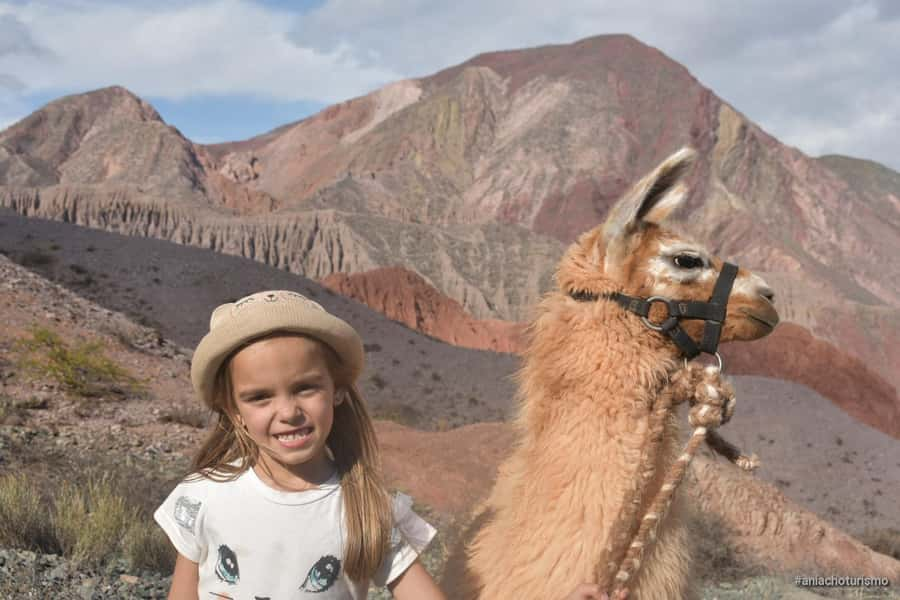
- No riding, all interaction: You connect with the llamas and walk alongside them at a comfortable pace.
- Guides teach more than scenery: Expect geology, local flora (including medicinal uses), and camelid biology.
- Quiet, private feel: Small group numbers keep the experience calm.
- Photo-friendly moments: You’ll be able to take pictures and videos during the walk and contact time.
- Different circuits: Routes can be adjusted for age and comfort level.
Meeting the llamas 200 meters from Purmamarca’s main square
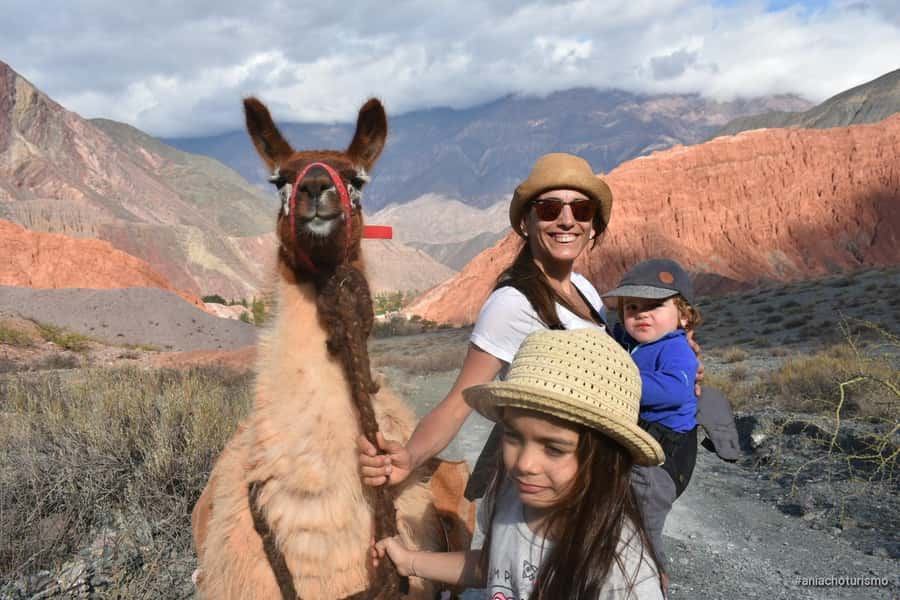
This experience starts in the Purmamarca area near the Paseo de los Colorados, on the cemetery side, very close to the town’s main square. You’ll meet, get organized, and do a quick supplies check right before llama time begins.
The practical win here is that you’re not wasting half your day on transport. In a small town like Purmamarca, that short walk to and from the activity area is a big part of why the whole thing feels easy.
I like the fact that the activity is set up as a loop: it begins and ends in the same spot, again about 200 meters from the main square. That means you can plan your afternoon without a guessing game.
How the start works: holding lessons before you walk
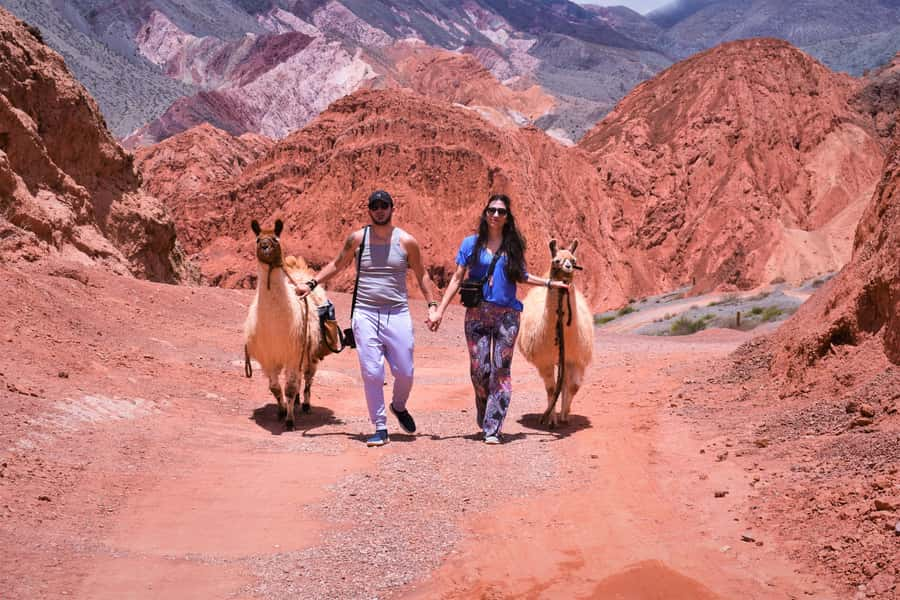
Right away, the guide explains how to hold the llamas so you both stay relaxed. It’s not complicated, but it matters. When you approach calmly and learn the right way to handle them, the whole experience feels safe for you and kind to the animals.
A big reassurance you’re given up front: you do not ride the llamas. There’s also a clear emphasis on not hurting them, not forcing them, and not pushing them beyond what they can comfortably do. And yes, the activity is described as non-aggressive—meaning the llamas aren’t meant to attack.
If you’ve never been close to camelids, this is where the tour wins. You’re not just told to watch from a distance. You’re taught a simple, respectful way to be near them—caresses, gentle contact, and even hugs if the moment feels right.
A walk that fits real people (including kids, with limits)
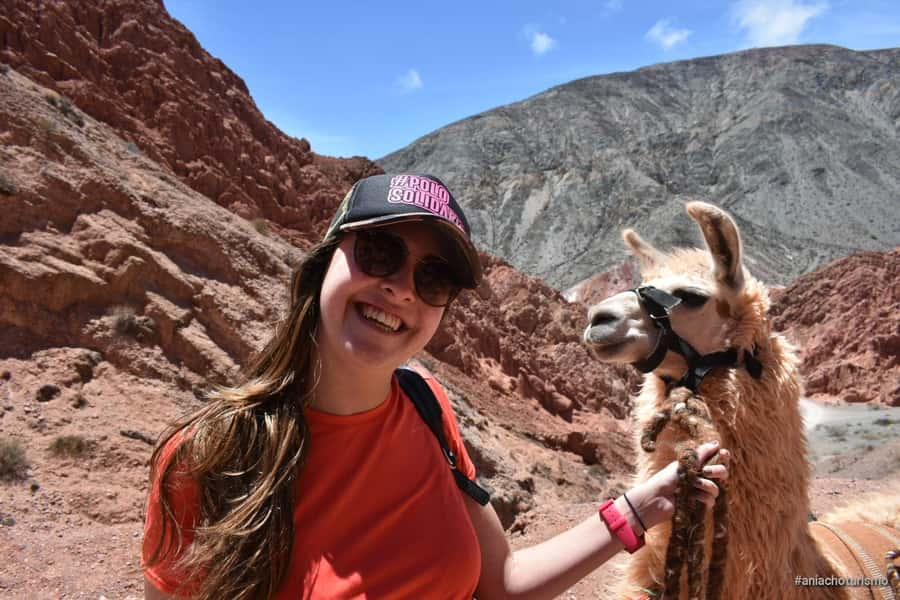
This hike is described as enjoyable and not demanding, based on participants’ physical conditions. That doesn’t mean it’s a stroll on flat pavement. You’re still outdoors in the Andes region, so you’ll feel the altitude and the dry air in your own way.
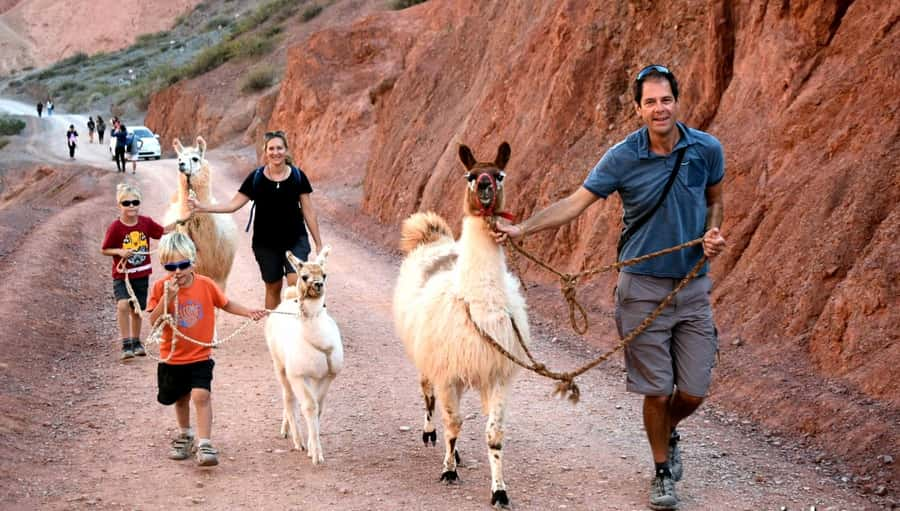
Good news: the tour isn’t presented as something you need to be super athletic for. Adults of different fitness levels and families with children of different ages can join. The key is that the pace and route can be adjusted.
There are also different circuits offered depending on age and needs. That helps if you have mixed ages in your group. It also means you’re less likely to end up with a one-size-fits-all hike that makes half the party miserable.
What you actually learn on the trail
The guide’s job isn’t only to point at pretty views. You’ll hear explanations tied to what’s around you—because the hills here are part science, part culture.
Expect talks on:
- Geology of the colorful mountains
- Characteristics of local flora, including medicinal uses
- Biology of camelids (how llamas live and what matters about them)
- The syncretism between humans and nature, called Pachamama
This matters because the hike is short (about 1.5 to 2 hours), so you get a concentrated dose of context. Instead of just taking photos, you come away with a clearer picture of why the mountains look the way they do and how people interpret their meaning.
I also like how the experience is framed as reciprocity. You’re not treated like an audience. You’re part of the moment—your contact with the llamas, your attention to the plants and rocks, and your behavior on the trail all fit into that theme.
The best moments: caresses, calm faces, and quiet time
The highlights aren’t subtle. You get contact—caresses, embraces, and close time with the llamas. It’s the kind of interaction that makes the hike feel personal, not like a checklist tour.
At the same time, the experience is described as offering silence and privacy. In other words, you’re not shouting over a crowded lineup. The small group factor really helps here.
I’d treat this as an experience where you put the phone down for a minute. Yes, you can take pictures and videos. But the real payoff is watching how the llamas respond to your calm movements, and how quickly you settle into the rhythm of walking side-by-side.
Those colorful hills around Purmamarca: more than Cerro de Siete Colores
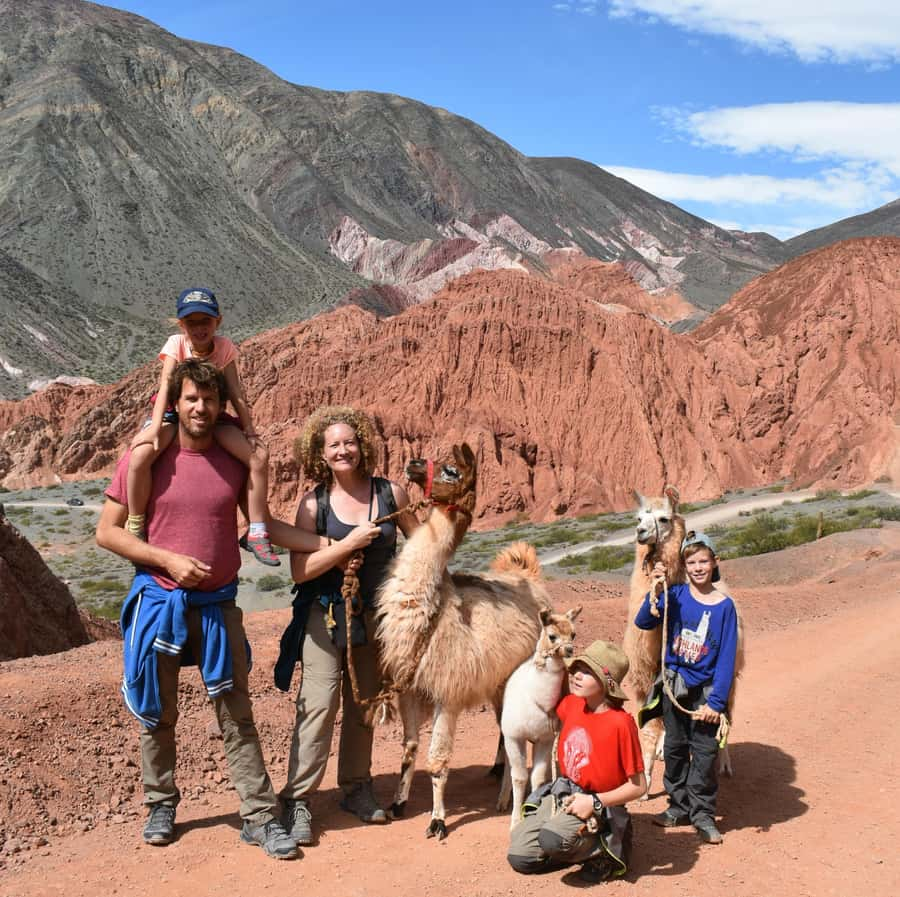
Purmamarca is famous for the multicolored mountains, often associated with Cerro de Siete Colores. But this hike leans into the idea that the area isn’t just a postcard. The guide connects the colors and rock shapes with how the region works—how water, rock, and plant life interact.
Even if you already know Purmamarca’s most famous view, you’ll likely enjoy seeing the area at walking speed. You notice details you would skip from a car. You also hear how plants are used locally, including medicinal roles.
This is also where the Andean cosmovision piece clicks. The mountains aren’t only scenery. They’re presented as active participants in how people live and understand the world.
Your guide: names to look for and what to expect
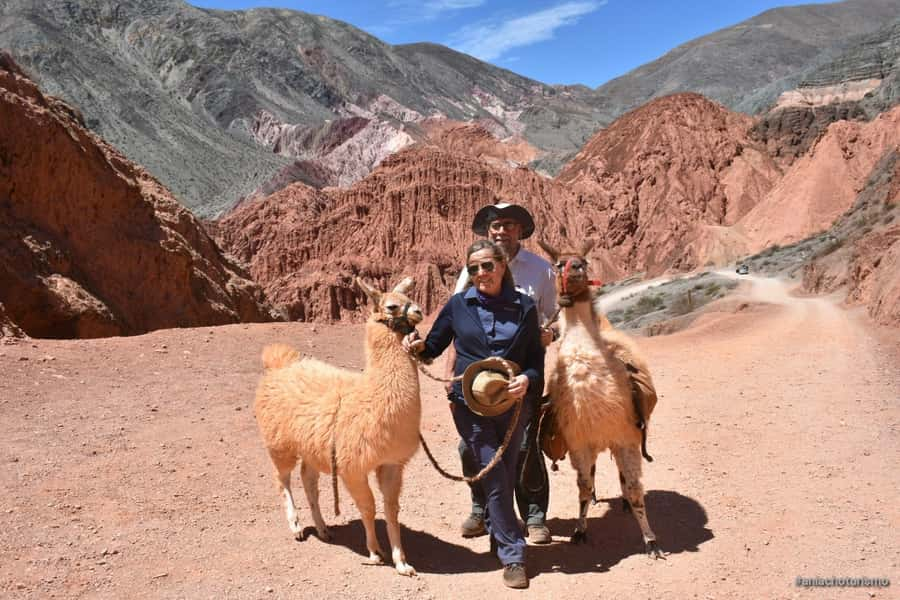
The experience is run by Purmamarca Aniacho Turismo. English and Spanish are available, so you can choose the language you’re most comfortable with.
From past guidance styles tied to this experience, you might encounter instructors such as Fabrizio or Aniacho. The common thread in those examples: they’re attentive to your comfort and they answer questions instead of rushing you along.
In plain terms, this is the kind of tour where it helps if you ask. If you’re curious about the geology or how Pachamama ideas show up in everyday life, the guide is positioned to explain.
Timing and how to fit it into your day
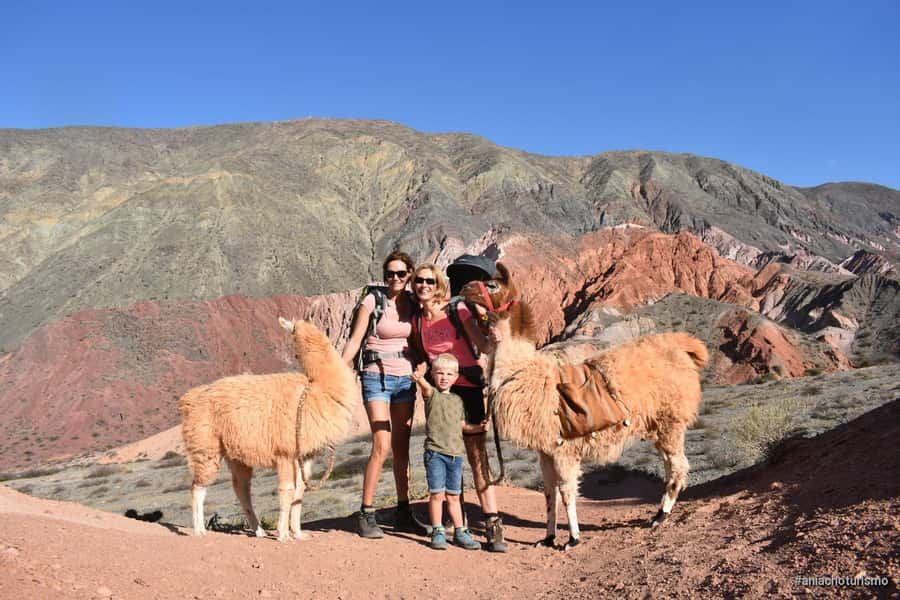
The service duration is between 1.5 and 2 hours, depending on the chosen circuit and group needs. Plan for the whole experience to be fairly compact, with time before and after in town.
Because it returns you to the same area near the main square, you can easily connect it to other Purmamarca stops—like short sightseeing walks or photo time around the town center.
If you’re sensitive to heat, go early if you can. Even though the hike isn’t long or hard, you’re still exposed to sun in the open. A hat and sunscreen aren’t optional here.
What to bring (and what to leave at home)
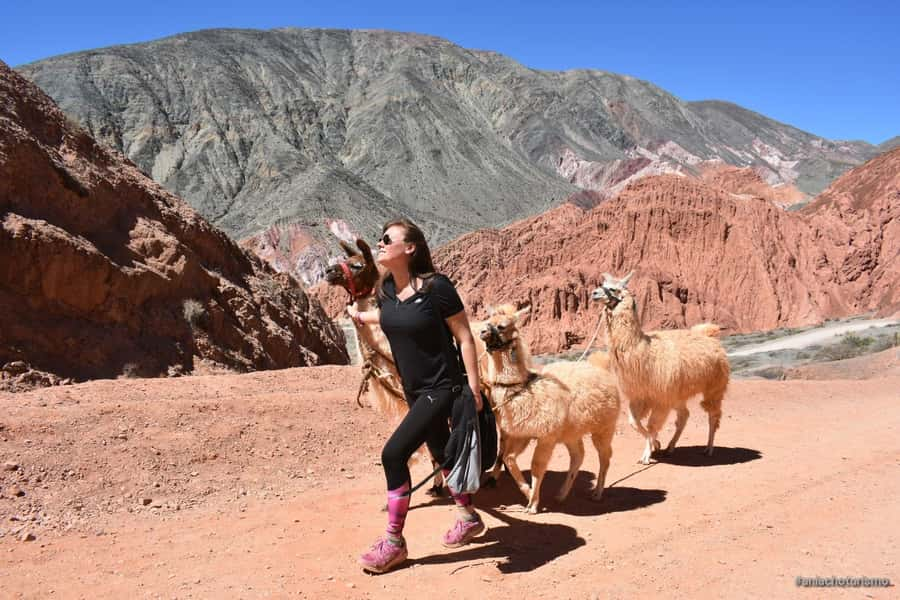
The tour is simple on gear, but the rules are clear. Bring:
- Sun hat
- Water
- Biodegradable sunscreen
- Daypack
Don’t bring or wear:
- Sandals or flip-flops
- Alcohol and drugs
- Baby carriages
Footwear matters. You want something that grips well on uneven ground. If you’ve ever done a short hike that turned annoying halfway through, this is your chance to prevent that.
Who should book this llama hike in Purmamarca
I think this is a great fit if you want:
- A short outing that still feels meaningful
- Up-close animal contact without riding
- Andean culture and Pachamama explanations, not just a view hunt
- A calm group size that’s easier for kids and first-timers
It also works well if you enjoy learning while moving. You’re not stuck listening the whole time, but you also aren’t left guessing what you’re looking at.
Families can often match different comfort levels thanks to the adjusted circuits, as long as everyone can handle a short outdoor walk.
Who might want to skip (or check first)
This activity is not suitable for:
- People with mobility impairments
- Wheelchair users
- Visually impaired people
- People with recent surgeries
- Babies under 1 year
- People over 95 years
If babies participate, they must be carried in baby backpacks. Wheelchairs won’t be possible for the activity.
If any of those apply to you, it’s worth choosing a different style of Purmamarca experience that doesn’t involve walking on uneven terrain and close animal contact.
Value check: what makes it worth your time
There isn’t pricing information included here, so I can’t judge the number. But I can judge the value using what you actually get in roughly two hours.
You’re getting:
- A guided experience with English or Spanish
- Small group attention (up to 8 participants)
- Llama handling guidance before contact
- Photo and video moments
- Talks that connect the rocks, plants, camelids, and Pachamama ideas
In other words, it’s not only about seeing colorful mountains. It’s about learning how to relate to the place—through animals, plants, and the way the guide frames the human-nature connection.
And with a 4.4/5 rating from 9 bookings, it’s clear this format tends to land well.
Should you book this llama hike with Purmamarca Aniacho Turismo?
If you’re in Purmamarca and you want an animal-focused activity that’s respectful and structured, this is an easy yes. The handling lesson, the no-riding approach, and the Andean cosmovision talk make it more than a quick photo stop.
Book it when you want something short, calm, and guided—especially if you like learning while you move. If you’re dealing with mobility limits, recent surgery recovery, or you need wheelchair access, skip this one and choose a different Purmamarca plan that matches your needs better.
FAQ
How long is the llama hiking experience in Purmamarca?
The duration is about 2 hours, with the service described as between an hour and a half to two hours.
Where is the meeting point?
You meet at Paseo de los Colorados, cemetery side, about 200 meters from the Purmamarca town square.
Is riding the llamas part of the tour?
No. The tour explicitly states that you do not ride the llamas.
What language is the live guide?
The live tour guide is available in English and Spanish.
How big is the group?
The experience is a small group limited to 8 participants.
What should I bring?
Bring a sun hat, water, biodegradable sunscreen, and a daypack.
What footwear is not allowed?
Sandals or flip-flops are not allowed.
Who is this activity not suitable for, and how do babies participate?
It’s not suitable for people with mobility impairments, wheelchair users, visually impaired people, people with recent surgeries, babies under 1 year, or people over 95 years. If babies participate, they must be carried in baby backpacks.
Is there a cancellation option?
Yes. Free cancellation is available up to 24 hours in advance for a full refund. You can also reserve now and pay later.