REVIEW · FUJIYOSHIDA
Private Hiking Tour to View Mt. Fuji
Book on Viator →Operated by Yuki(ゆうき) · Bookable on Viator
There’s nothing like earning your Mt. Fuji view. This private hike heads toward Mt. Ishiwari in the Yamanakako area, with big-picture photo stops along the way and a real climb that makes the summit feel like a prize. You’ll also spend time at Ishiwari Shrine around the 8th station, tied to the Ama-no-Iwato mythology and a famously cracked rock people try to pass through.
I especially like that the experience is built for the hike, not just the photos. You get key trekking gear (including shoes/poles and even rain layers), and the guide—Yuki—helps keep the route moving with clear local context about the Five Lakes region.
One consideration: this is not a casual walk. You’re looking at 3 to 3.5 hours of hiking, starting with 400+ stairs and finishing with a steep, narrow push for the last 30 minutes.
In This Review
- Key Highlights You’ll Actually Care About
- Why Mt. Ishiwari Beats a Basic Fuji Photo Stop
- Gear, Yuki, and the Value of a True Private Tour
- Timing: A 5-Hour Plan That Still Leaves Room to Enjoy
- First Climb Reality Check: 400+ Stairs and a Narrow Finish
- Mt. Ishiwari Summit Views: Fuji and Lake Yamanakako in One Big Frame
- Mt. Ishiwari Details: The Katsura Tree and Local Elevation
- Ishiwari Shrine at the 8th Station and the Lucky Rock Pass
- Lunch at Menkyo-kaiden: Yoshida Udon and Cash-Friendly Reality
- Price and Logistics: Does $117.27 Per Person Make Sense?
- Weather and Fuji Expectations: What You Can Control
- Who Should Book This Hike (and Who Might Skip It)
- Should You Book This Private Mt. Fuji Hike?
- FAQ
- How long is the hiking portion?
- What level of fitness do I need?
- Is lunch included?
- Is the tour private?
- What gear is included?
- What is the cancellation policy?
Key Highlights You’ll Actually Care About
- Private guide + private transportation so you’re not stuck with a mismatched pace
- 400+ stairs at the start that thin the crowd fast (good for momentum, not for strollers)
- Mt. Ishiwari summit goal with Fuji plus Lake Yamanakako views from higher ground
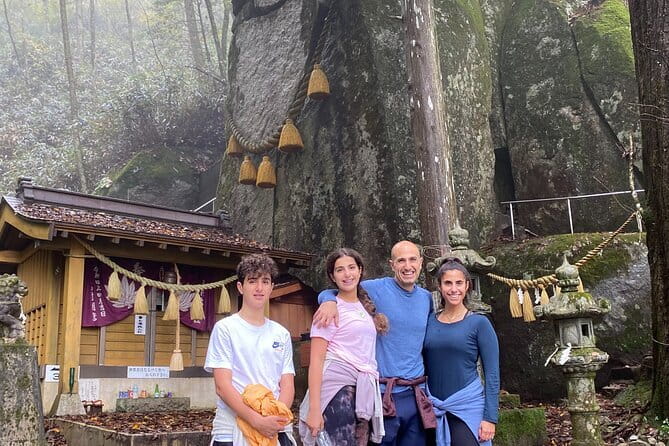
- Ishiwari Shrine at the 8th station and the cracked rock connected to Ama-no-Iwato
- Yoshida udon lunch stop at Menkyo-kaiden, with a local guide to lead you to the best spot
- Hiking gear included, including rain gear and gloves, for less last-minute shopping stress
Why Mt. Ishiwari Beats a Basic Fuji Photo Stop
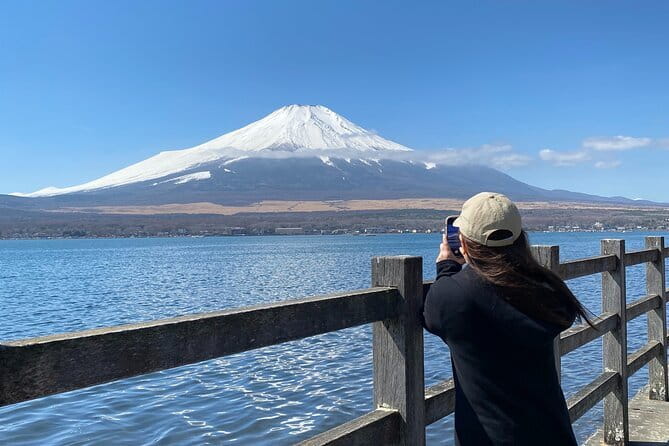
In Fujiyoshida and the Lake Yamanakako area, you can spot Mt. Fuji from a lot of viewpoints. But this tour is built around the idea that you should work a little for it. The payoff is a sense of progress that a flat viewpoint can’t mimic: you climb, you crest, and suddenly the mountain looks close enough to touch—even on hazy days, it often feels dramatic from this kind of elevation.
I also like that the route gives you more than one moment to enjoy Fuji. You’ll have view spots along the way before you even reach the main climb, including one where the mountain looks huge and where you can combine Mt. Fuji and Lake Yamanakako in the same frame. That “layered view” approach makes the day feel full, even if the weather changes while you’re walking.
And then there’s the cultural hook: Ishiwari Shrine and the rock at the 8th station. It’s not just scenic—it adds a small ritual you can try (or at least watch) that gives the hike a story beyond steps and skyline.
Gear, Yuki, and the Value of a True Private Tour
This is a private tour/activity, meaning only your group participates. That matters more than people think. A hike like this works best when you can match your pace—pausing for views, slowing for stairs, and getting help when the footing turns narrow.
You’ll also get practical hiking support. The included items are a big deal for comfort on the mountain:
- trekking shoes
- trekking poles
- rain jackets and pants
- gloves
If you’re traveling light, this can save you from packing decisions and last-minute gear purchases. Even if you already own hiking boots, poles and proper rain layers can be worth it on the trail.
Your guide here is Yuki (ゆうき). Based on what I see emphasized by people who’ve gone, Yuki’s a friendly presence who’s happy to talk about Fujisan and the Five Lakes area while keeping the hike fun and moving. That blend—good vibes plus route knowledge—helps when the terrain gets steep near the end.
Timing: A 5-Hour Plan That Still Leaves Room to Enjoy
The tour starts at 9:00 am and runs about 5 hours. The climbing portion is listed as roughly 3 to 3.5 hours, so the remaining time is for view stops, the shrine/rock area, and the lunch transition.
The important thing to understand is the pacing is active. You’ll be climbing for hours, not strolling. That’s why they set a minimum age of 7 years old and specify moderate physical fitness rather than “easy walk.”
If you’re the type who likes to stop often for photos, you’ll still get time. The trick is to stop intentionally—one quick frame, a breath, then move on. That keeps you from getting too cold or too tired before the final steep push.
First Climb Reality Check: 400+ Stairs and a Narrow Finish
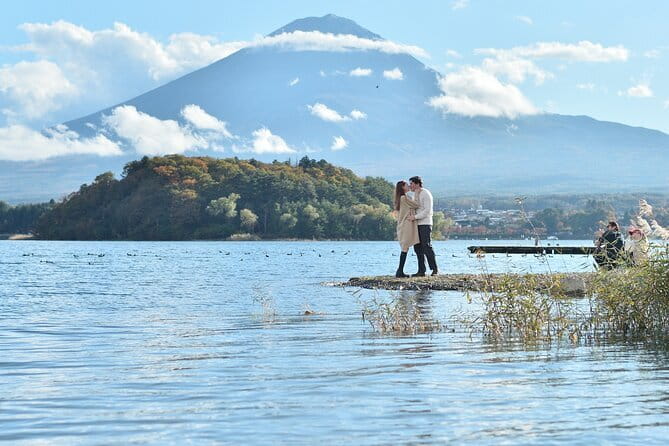
Here’s the part you should plan for mentally: the hike begins with more than 400 stairs and stays steep for a while. Stairs can feel tougher than a regular uphill walk because your legs burn faster and your breathing gets more rhythmic, not easier.
Then the last stretch is where you decide how serious you want this day to feel. The final 30 minutes are described as steep and narrow. That means careful foot placement matters. It’s not a technical climb with ropes, but it’s the kind of narrow trail where you’ll want to stay focused, use your poles, and avoid rushing.
If you’re planning this hike, think about it like a cardio workout disguised as scenery. You’ll earn the views, but only if you respect the effort.
Mt. Ishiwari Summit Views: Fuji and Lake Yamanakako in One Big Frame
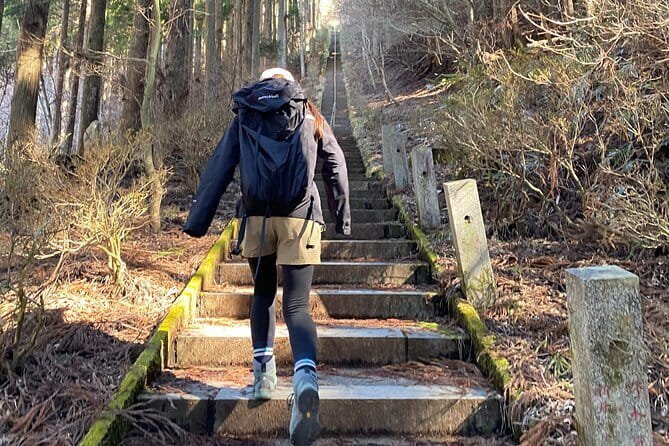
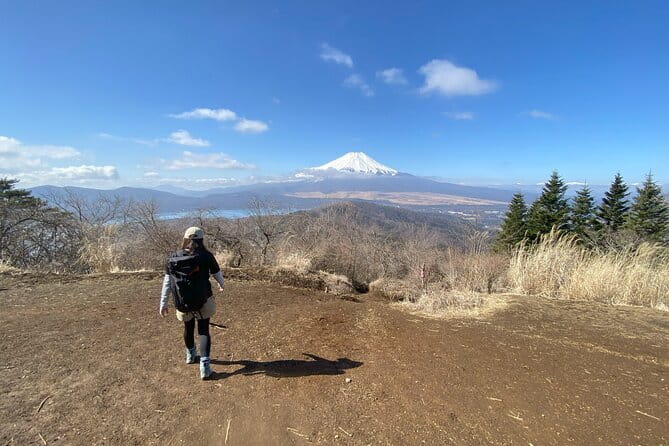
The goal is reaching Mt. Ishiwari, described as the highest peak in the Yamanakako area. On top of that, you get a satisfying sense of arrival: you’ve pushed through stairs, you’ve handled the steep part, and then you’re rewarded with wide visibility.
What I love about this setup is the combination. The route is set to help you see Mt. Fuji alongside Lake Yamanakako. From higher points, Fuji often looks more imposing than it does from town viewpoints, and the lake helps give scale—so it’s not just a single mountain photo, it’s a landscape shot with depth.
Also, the tour highlights a “just huge” look at Fuji from a view spot before the main peak. That’s useful because it means you get at least one strong visual moment even before you reach the summit, which helps keep motivation up when your legs are doing the heavy lifting.
Mt. Ishiwari Details: The Katsura Tree and Local Elevation
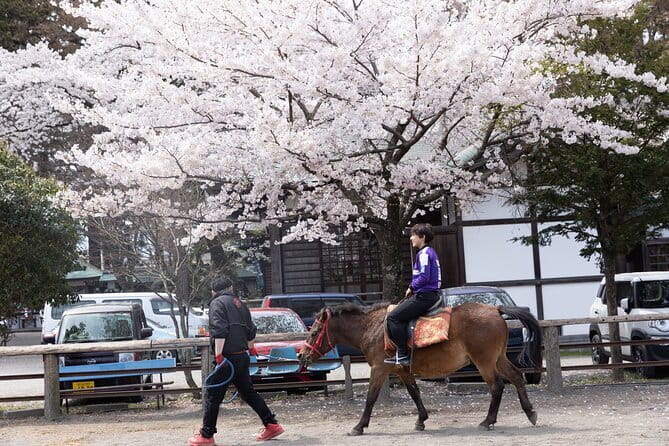
At Mt. Ishiwari, the experience includes a large Katsura tree, described as the source of the Katsura River (as part of local storytelling). It’s a small stop compared to the summit effort, but these details are what make the hike feel tied to the place rather than a generic route.
Even if you’re not a “tree person,” it’s a nice change of pace: you can regroup, take a breather, and look out from a calmer spot before the climb keeps going.
And because the tour lists the summit-area admission as free, you’re not paying extra to reach these meaningful points. That kind of simplicity keeps your budget from getting chipped away mid-hike.
Ishiwari Shrine at the 8th Station and the Lucky Rock Pass
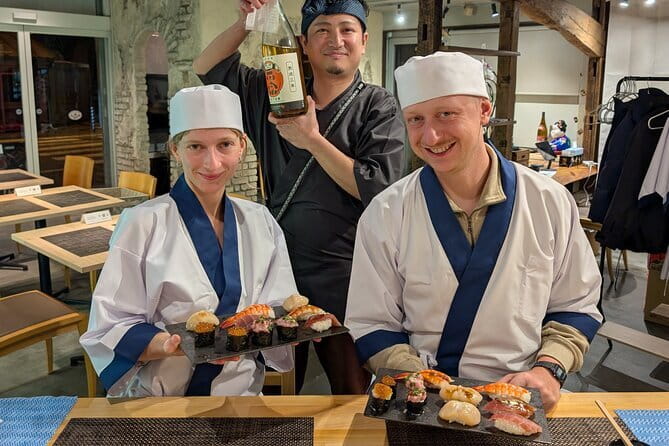
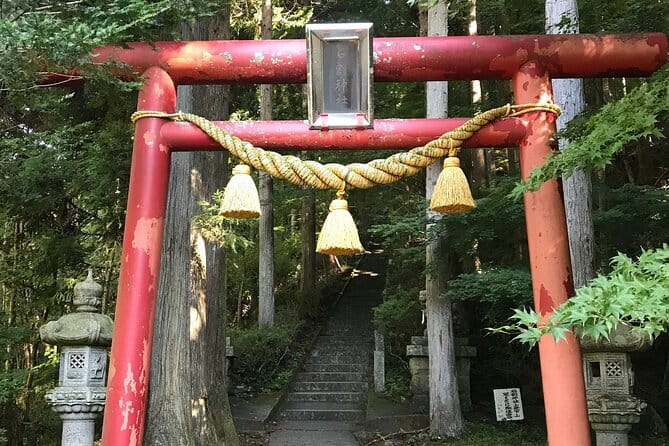
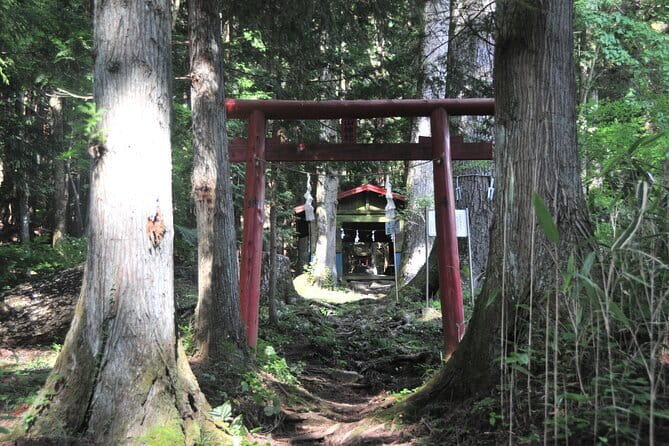
One of the most unique parts of this tour is Mt. Ishiwari’s Ishiwari Shrine at the 8th station. The shrine features a large rock connected to the Japanese mythology Ama-no-Iwato.
The rock is described as cracked, with a narrow opening that one person can barely pass through. There’s also a specific lucky ritual associated with it: people say if you walk through it three times clockwise, it brings good luck.
You don’t have to treat it like a serious vow to enjoy it. I think it’s fun in a travel sense—simple, physical, and tied to a story. It also gives you a moment to reset during the hike, which matters because you still have energy to manage.
Lunch at Menkyo-kaiden: Yoshida Udon and Cash-Friendly Reality
After the climb, you’ll head to lunch at Menkyō-kaiden, with the plan to eat Yoshida udon, a local specialty of Fujiyoshida City.
Two practical notes:
- Lunch is not included in the tour price.
- You should prepare cash. The lunch cost is about 1,000 yen per person.
I like that the guide takes you to the best place rather than leaving you to guess which noodle shop has the shortest line or the most authentic bowl. Still, because you need cash, make sure you’re not relying only on card taps that may or may not work in smaller places.
This lunch stop also makes the day feel balanced. You get the heavy effort early, then you settle into something warm and local before the tour’s final stretch.
Price and Logistics: Does $117.27 Per Person Make Sense?
At $117.27 per person, this isn’t the cheapest activity on the Fuji circuit. But the value shows up in what’s included.
You’re paying for:
- a private guide (Yuki)
- private transportation
- hiking gear (shoes, poles, rain layers, gloves)
- the guided route with planned view stops and a shrine point
When you add up those components, the price starts to feel less like a “tour fee” and more like a gear-and-guide package for a physically demanding hike. The lunch is extra, but at roughly 1,000 yen, it’s a manageable add-on compared with tours that inflate the main cost and then charge separately for everything.
Also, it’s booked fairly far in advance on average (about 67 days), which is a hint it’s in-demand for good-weather days. If you want a specific date, don’t wait.
Weather and Fuji Expectations: What You Can Control
This experience requires good weather. If it’s canceled due to poor conditions, you’ll be offered a different date or a full refund.
Here’s the practical takeaway: Mt. Fuji viewing is weather-dependent. You can’t control clouds, but you can control whether you have a plan that adapts. If you’re flexible with dates, you’ll have a better shot at clear skies. If your trip is fixed to one day, you should be comfortable with the idea that the mountain might be partly hidden.
The upside is the tour still includes meaningful hiking time and viewpoints even if the visibility isn’t perfect. It’s not only about one final “perfect Fuji” moment.
Who Should Book This Hike (and Who Might Skip It)
This tour fits best if you:
- want a private hike with a local guide
- enjoy walking up stairs and handling steep terrain
- are aiming for a summit-style experience, not a gentle stroll
- want authentic touches like Ishiwari Shrine and the local udon lunch
It’s probably not the best fit if you:
- hate steep, narrow trail sections
- can’t comfortably handle 3+ hours of active hiking
- need a fully accessible route (the route involves heavy stair climbing)
The minimum age is 7, but the physical requirement is the real gate. Even families should treat this as a serious hike day, not a light “outdoor break.”
Should You Book This Private Mt. Fuji Hike?
If you want an experience that feels like you came to work for the views, I’d book it. The combination of Mt. Ishiwari, the Ishiwari Shrine rock ritual, and Yoshida udon with guide-led lunch turns a Fuji outing into something you’ll remember for more than a photo.
I’d especially choose it if you can use the included gear to travel lighter and you value a private pace with a guide like Yuki, who keeps the experience both fun and grounded in local knowledge.
Just be honest with yourself about fitness. If stairs and a steep final push don’t sound manageable, you’ll enjoy the day less. If they do? You’re set up for a genuinely rewarding morning.
FAQ
How long is the hiking portion?
The tour includes about 3 to 3.5 hours of hiking, with the full experience lasting around 5 hours.
What level of fitness do I need?
The tour is suitable for guests with moderate physical fitness. The route starts with more than 400 stairs and includes steep, narrow hiking in the last 30 minutes.
Is lunch included?
No. Lunch is not included. You’ll go to a local udon noodle restaurant, and you should prepare cash. The lunch cost is about 1,000 yen per person.
Is the tour private?
Yes. It’s a private tour/activity, so only your group participates.
What gear is included?
The tour includes trekking shoes, trekking poles, rain jackets and pants, and gloves.
What is the cancellation policy?
You can cancel for a full refund if you cancel at least 24 hours before the experience start time. If the tour is canceled due to poor weather, you’ll be offered a different date or a full refund.