REVIEW · CHALKIO
Naxos: Countryside hike among villages & Byzantine churches
Book on GetYourGuide →Operated by Trekking Hellas Naxos · Bookable on GetYourGuide
Churches and villages, stitched by footpaths. I really like how this walk combines 6th-century Byzantine churches with old stone routes between traditional villages. I also like the hands-on stops: an olive press factory and a kitron distillery, so you finish with both culture and taste in your head.
One thing to consider: this is a countryside hike on dirt trails and stone paths. If your fitness is low or you have mobility limits, the route won’t be comfortable (it’s not designed for people with mobility impairments, kids under 12, or those over 70).
The upside is that the group stays small (up to 12), and the guide experience matters. I’ve seen this run with guides like David and Nick, both of whom do a good job keeping the day lively while still explaining what you’re seeing in plain terms.
In This Review
- Key highlights before you lace up
- From Halki to the meeting point: how the day actually starts
- What I’d bring to keep it easy
- Halki, then Tragea Valley: the walk that makes Naxos feel local
- Panagia Drosiani and Byzantine churches: what to watch for
- Village-by-village connections: Moni, Kaloxylos, Akadimoi, and ancient routes
- Olive press factory: seeing how oil was made (and why it matters)
- Folklore museum in Kaloxylos: small rooms, big human stories
- Kitron distillery and the optional taverna meal
- Price, comfort, and who should book this hike
- Difficulty level: plan like it’s real hiking
- Best matches
- Should you book the Naxos countryside hike?
- FAQ
- How long is the hike?
- What’s the group size?
- Where do I meet the guide?
- Is transportation included?
- What stops are included during the hike?
- Is the kitron tasting included?
- Do I get lunch?
- What should I bring?
- Who is this tour not suitable for?
Key highlights before you lace up
- Tragea Valley village-to-village hiking on ancient paths through olive, fig, and citrus groves
- Byzantine churches with different architectural styles, some with standout frescoes
- Panagia Drosiani: one of Naxos’s most important Christian monuments, dating to the 6th century AD
- Old olive press factory showing how oil production worked about a hundred years ago
- Kitron tasting at a local distillery, then an optional traditional taverna meal
From Halki to the meeting point: how the day actually starts
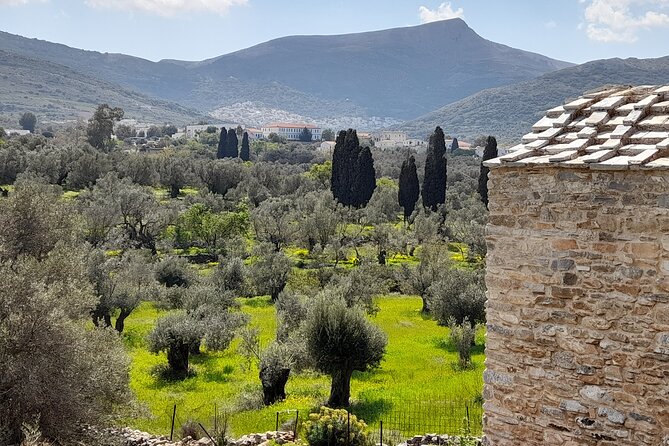
This tour is built around a “walk, stop, walk again” flow, and it starts in the village area of Chalkio. Your meet point is outside the church of Panagia Protothronos on the main road of Chalkio. After that, you begin the hike at Halki, which is where the route also ends.
If you’re using the optional pickup, plan for it to be arranged to your accommodation. The important bit: wait outside your place about 5 minutes before pickup, and check your email the day before for the exact time.
Timing-wise, expect about 4.5 to 6 hours total. That range depends on how the route feels that day and how much time you take at the churches and indoor stops. With a small group, you’re not sprinting from one photo spot to the next.
What I’d bring to keep it easy
- Hiking shoes (not just sneakers)
- Sun protection (sunglasses + sunscreen)
- A daypack
- Water bottle you carry yourself (you’re advised at least 1.5 liters per person)
- Comfortable clothes for warm walking
The water detail matters. This isn’t a “tiny stroll between attractions” type of day, and there’s enough walking that you’ll want steady hydration.
Halki, then Tragea Valley: the walk that makes Naxos feel local
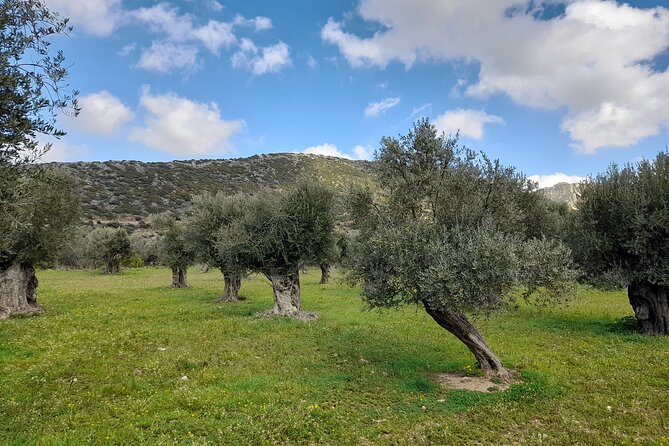
The reason I like this hike is simple: you don’t just look at Naxos, you move through it. You leave Halki and head into Tragea Valley, where the route threads between small villages and agricultural areas.
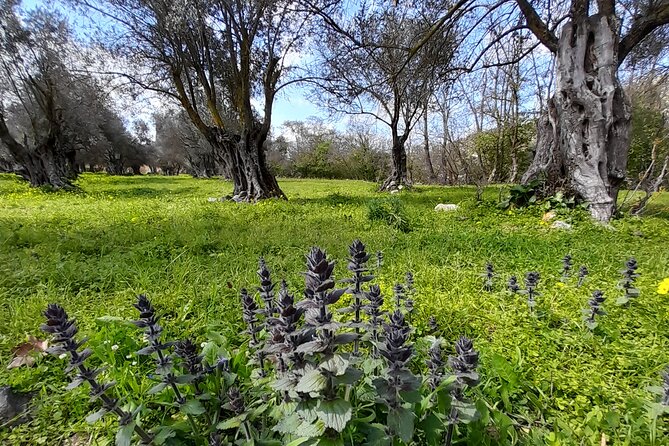
You’ll spend time on natural dirt trails and stone-paved paths, which gives the day that older, island-by-island feel. It’s the kind of terrain that makes you walk slower (and notice more). Expect shade when the route passes through thicker trees, and expect sun on open stretches.
Also, this is set up for breaks. You’re not supposed to white-knuckle it. One review even mentioned that the guide took breaks and handled the pace so the walk felt doable without being a fitness test.
Panagia Drosiani and Byzantine churches: what to watch for
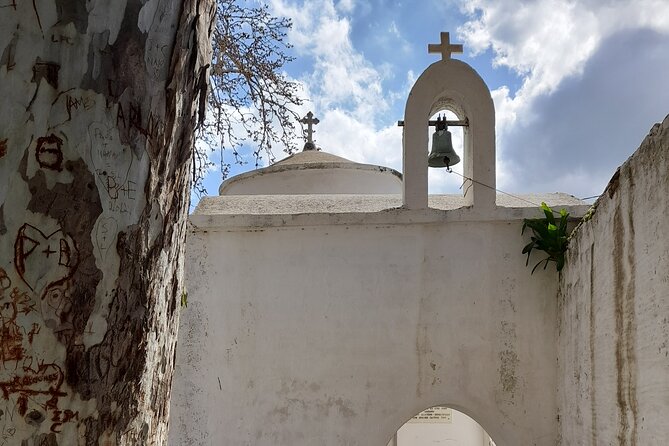
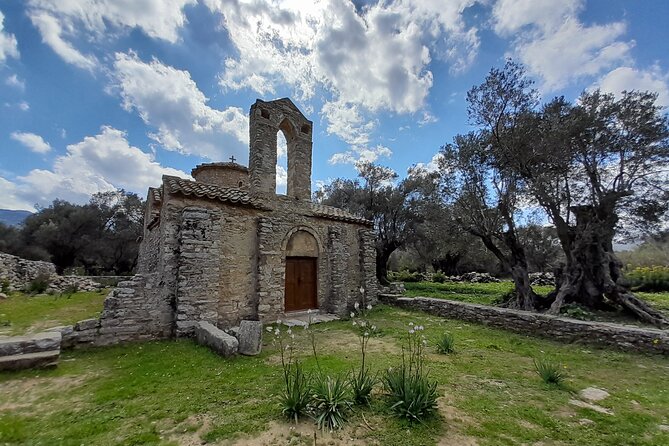
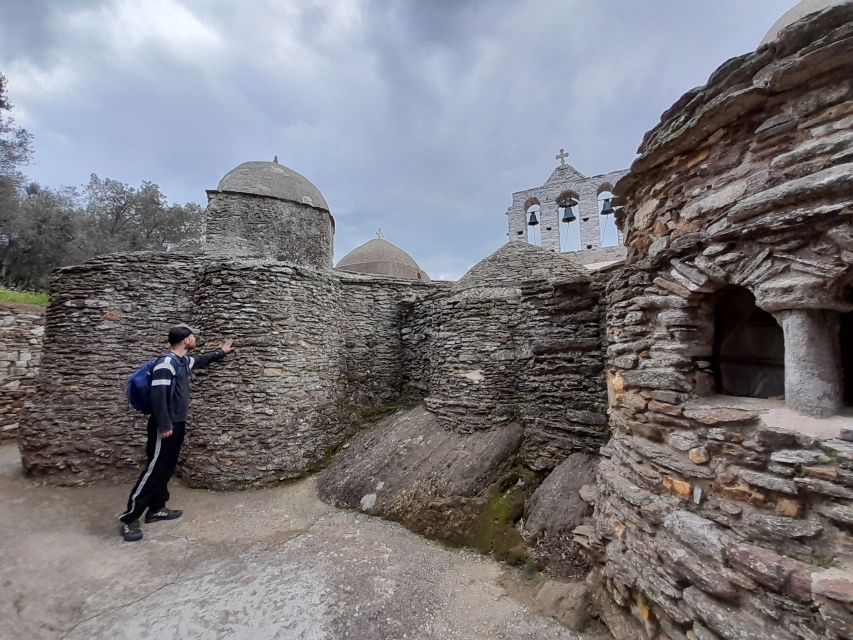
The centerpiece is the set of Byzantine churches you visit along the way. The stops are spread out so you get more than one “wow” moment, and the day doesn’t feel like a single museum-style viewing.
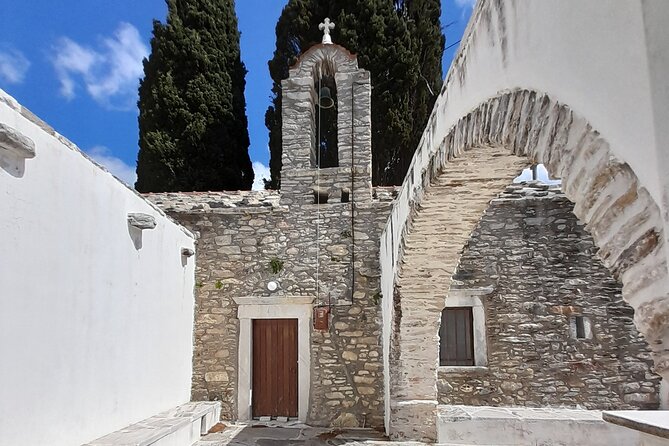
A big highlight is Panagia Drosiani, which dates to the 6th century AD. It’s treated as one of Naxos’s most significant Christian monuments. When you’re there, don’t just scan for photos—look for what’s different about the building styles from church to church. The day is designed to show variety in architecture and era.
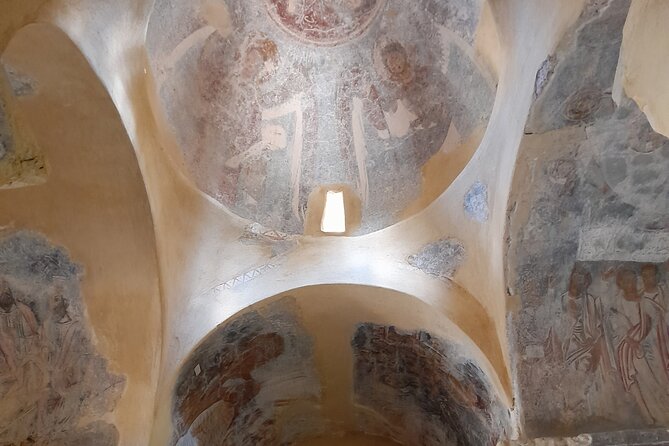
You may also notice frescoes in some churches. The guide’s job is to help you connect what you’re seeing with the time period and the local story behind it. It’s one of the moments where a good guide turns “old buildings” into something you can actually picture.
Practical note: churches mean cooler air than outside, but you still need sunscreen and respect your stamina. Even if a church stop feels quick, the walking in between is the main effort.
Village-by-village connections: Moni, Kaloxylos, Akadimoi, and ancient routes
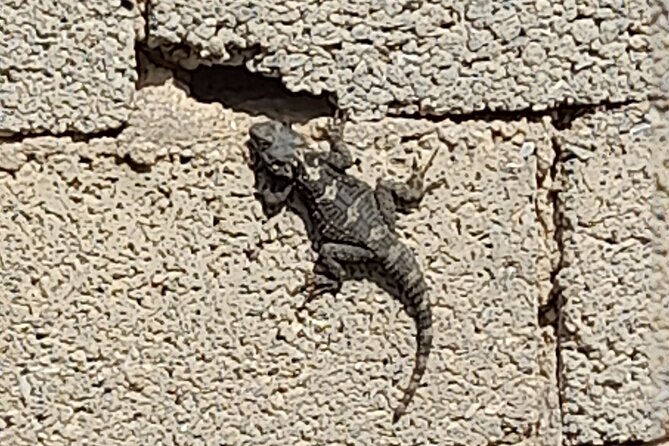
Halfway through, you reach Moni, where you take a short break in the shade of trees. Then the hike continues to the small villages of Kaloxylos and Akadimoi.
This is the part I’d recommend most strongly if you’re the kind of traveler who likes to slow down and notice daily life. These villages aren’t staged. You’re walking between them using paths that connect where people have lived and worked for a long time. Even when you’re not stopping for a long time, the simple act of moving along those routes makes the place feel “lived in,” not just viewed.
In Kaloxylos, the stops shift indoors and semi-indoors, which is a nice rhythm break after time outside.
Olive press factory: seeing how oil was made (and why it matters)
One of my favorite stops on the day is the old olive press factory. Here’s the key detail: it shows the way olive oil was produced about a hundred years ago.
That time gap is more than trivia. It explains why olive groves dominate parts of the island and why so much of Naxos’s rural culture revolves around seasonal work. When you see a working-style setup from the past, you understand the landscape in a practical way—this isn’t just scenery, it was someone’s economy.
You don’t need to be an agriculture expert. You just need to take a few minutes to look closely and let the guide translate what the tools and steps meant in everyday life.
Folklore museum in Kaloxylos: small rooms, big human stories
After the olive press, you visit the folklore museum in Kaloxylos. This stop works well because it anchors the walk in people rather than only in buildings.
The museum is described as having rare collections from a bygone age. That means you’re not looking at generic “souvenirs behind glass.” It’s more about how locals lived, worked, and valued their traditions.
One review also mentioned the chance to observe craft work, like a weaver at work. That kind of moment is why this stop feels more alive than a quick hallway photo stop.
If you like culture breaks that still feel tied to the countryside setting, this museum works well.
Kitron distillery and the optional taverna meal
Toward the end, you reach the local distillery producing kitron. Kitron is Naxos’s citrus-based liqueur, and this is your tasting moment to toast the day.
What I like about ending with kitron is that it connects to what you walked through. You’ve been surrounded by olive, fig, and citrus groves, and then you finish with a citrus product that comes out of that same agricultural world.
Then you can add the optional meal at a traditional taverna. The setting is described as being under a climbing grapevine, and it’s served as the payoff for the whole 4.5 to 6 hours of walking.
A meal isn’t “required,” but if you want a proper slow ending—no rushed bus back to the island hub—this is the time to say yes.
Price, comfort, and who should book this hike
At about $94 per person, this is not the cheapest thing on Naxos. But it’s also not just a walk.
You’re paying for:
- An English-speaking trekking guide
- Entrance to multiple cultural stops (distillery, folklore museum, olive press factory)
- A snack during the hike
- First aid and equipment support
- Liability insurance and taxes
So, the value comes from stacking experiences in one half-day: churches plus rural villages plus food culture plus tasting. If you try to recreate that combo on your own, you’ll burn time coordinating and still might end up paying separate entrance fees.
Difficulty level: plan like it’s real hiking
Based on distance mentioned in one account (about 5.5 miles), you should take footwear seriously. The route includes dirt trails and stone paths, and there’s enough uphill effort that you’ll feel it after a few villages.
This is also explicitly not suited for:
- Children under 12
- People with mobility impairments
- People with low level of fitness
- People over 70
If you fit in the middle—adult, reasonably active, okay with uneven ground—you’ll likely enjoy it a lot.
Best matches
This hike is a strong fit if you want:
- A Naxos day that feels rural and authentic, not only beaches
- Time with small villages and historic churches
- A food-and-drink finish (olive oil history, then kitron tasting)
- A guide who can explain what you’re seeing without making it a lecture
If you’re looking for a flat, stroller-friendly stroll, this isn’t that.
Should you book the Naxos countryside hike?
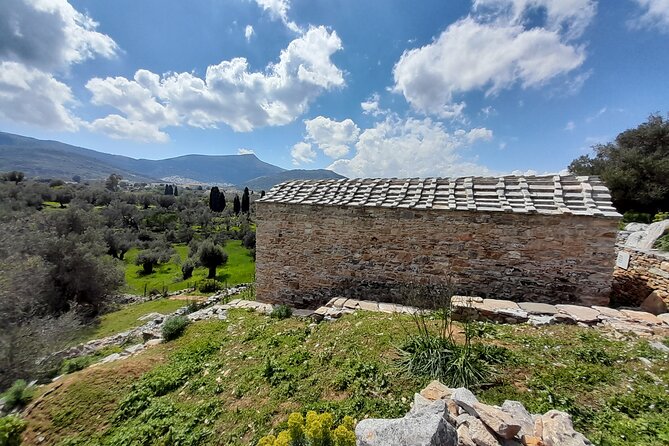
Book it if you want a half-day that connects Naxos’s churches, villages, and working agriculture into one smooth experience. The strongest reasons to go are the mix: Panagia Drosiani for the 6th-century wow factor, the olive press factory for hands-on history, and the kitron distillery for an ending that actually tastes like the island.
Skip it if you don’t handle walking on uneven paths well, or if the idea of several hours outdoors under sun doesn’t work for you. Also, if you need a fully “hands-off” tour with zero physical effort, you’ll probably feel it.
If you’re an active adult who likes real places and real food moments, this is an easy yes.
FAQ
How long is the hike?
It lasts about 4.5 to 6 hours.
What’s the group size?
The tour is a small group limited to 12 participants.
Where do I meet the guide?
Meet the guide outside the church of Panagia Protothronos on the main road of Chalkio.
Is transportation included?
Local transportation is optional and can be added during booking. Pickup is also optional, depending on what you select.
What stops are included during the hike?
You’ll include entrances to the local distillery, folklore museum, and olive press factory, plus you’ll have a snack.
Is the kitron tasting included?
Yes. The tour includes a visit to the kitron distillery with a toast.
Do I get lunch?
A traditional meal is optional at the end of the hike.
What should I bring?
Bring hiking shoes, sunglasses, sunscreen, a water bottle (recommended at least 1.5 liters per person), comfortable clothes, and a daypack.
Who is this tour not suitable for?
It’s not suitable for children under 12, people with mobility impairments, people with low fitness, or people over 70.