REVIEW · MARRAKESH
Marrakech: Atlas Mountains Summit Day Trek 2700m
Book on GetYourGuide →Operated by Atlas Mountains Day Trips from Marrakech · Bookable on GetYourGuide
One good turn of the wheel and you’re in the High Atlas. This 2700m summit day trek from Marrakech feels like a real escape: you climb through villages and pine shade, then you’re rewarded with big mountain views after a serious but doable hike. I love the small-group setup (up to 10) and the way the day mixes sunrise-style scenery with practical breaks like tea and photo stops. The one thing to consider is the walking: this is a proper climb, and snowy or icy conditions can make the descent trickier.
What makes this trip special is the way it connects you to mountain life, not just big views. You’ll pass through spots like Tamaterte and the Imlil Valley, meet your guide along the way, and then stop for lunch at a Berber family house that many people rate as the best meal of their Morocco trip. My other favorite part is how guides like Ibrahim (and other Atlas Amazigh guides) keep the pace human, with water, support on steeper sections, and patience for photo breaks.
Here’s the possible drawback to plan for: it’s not a gentle stroll. The route is uneven, sometimes slippery, and the altitude can catch you off guard, so you’ll want solid shoes and a calm hiking rhythm.
In This Review
- Key things I’d plan around
- From Marrakech pickup to Imlil Valley: the day starts with altitude in mind
- Imlil Valley hike: Tamaterte sights and pine-forest relief
- Tizi N’Tamaterte (2279m): the pass where the route changes tone
- Talamrout summit (2700m): the best reward is the view, not the brag
- Descent back to Imlil and lunch at a Berber family house
- How hard is it, really? Walking shoes, altitude, and winter conditions
- Languages, group size, and guide style (what to expect from the human side)
- Price and value: $27 that includes far more than transportation
- Who should book this trek (and who should skip it)
- Should you book this Marrakech Atlas Mountains summit day trek?
- FAQ
- What time does the trek last?
- What altitude do you reach on this trek?
- Is breakfast included?
- Is lunch included, and where do you eat?
- How long do you hike during the day?
- How big is the group?
- How does pickup work if I’m staying in a riad in the Medina?
Key things I’d plan around
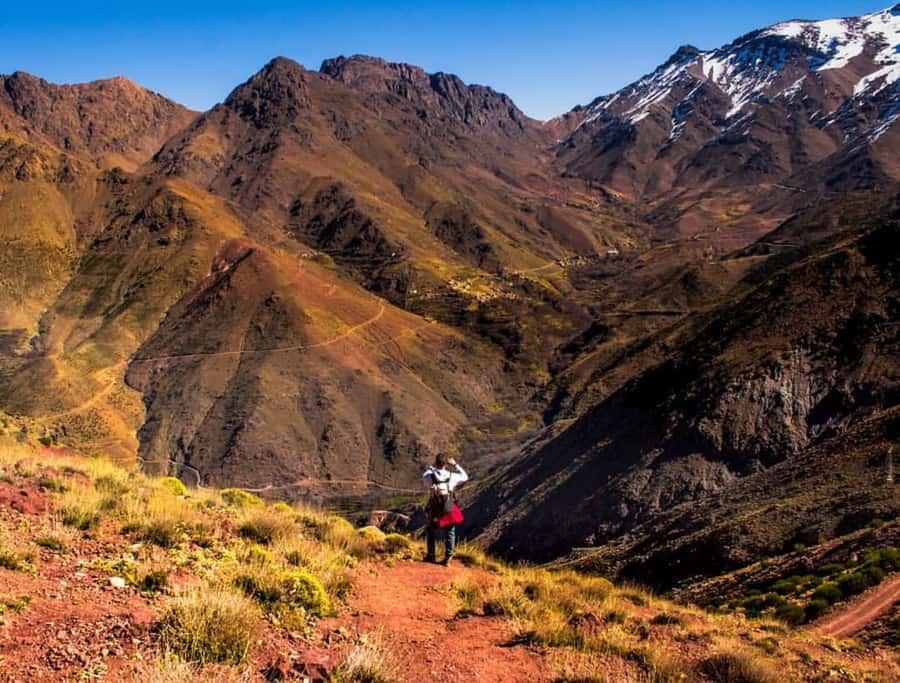
- 2700m summit payoff: a high view day where even photo stops feel worth it
- Small group pacing: guides adjust the tempo so everyone can keep up
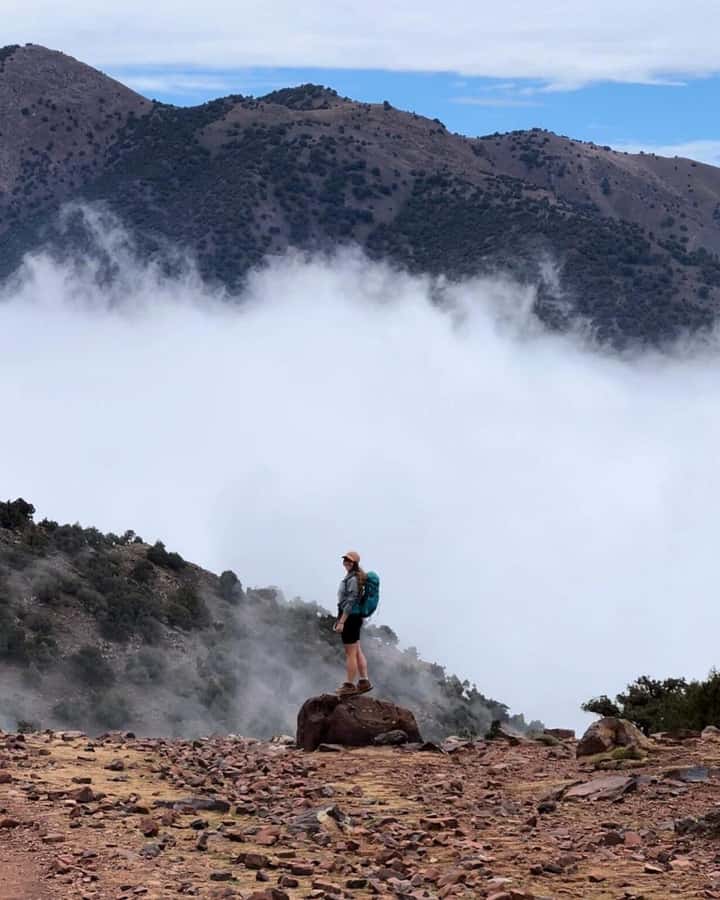
- Village + forest route: Tamaterte to pine shade to higher rocky ground
- Tea breaks that matter: warm pauses built into the day, not just at the start
- Family-lunch finish: tagine and couscous served in a home setting
- Winter reality check: snow can happen, so traction matters on the way down
From Marrakech pickup to Imlil Valley: the day starts with altitude in mind
The trip begins with hotel or riad pickup in Marrakech. If you’re staying in the Medina in a riad, you won’t necessarily be driven right to your door; the pickup happens from the closest accessible point by car. That’s normal here, and it saves time compared with trying to navigate narrow streets on foot with a group.
Then you’re on the road into the High Atlas. The drive winds through foothills and rural scenery, and it’s a good warm-up for what’s coming. Once you reach Imlil, you get that first “mountain breathing” moment—cooler air, more space, and a sense that the city is truly behind you.
Before the main climb starts, you’ll have a tea stop (about 30 minutes). In practice, this is useful. It gives you a chance to hydrate before you start working uphill, and it’s also your reset after the car ride. Several hikers note how smoothly the day runs from pickup onward, which matters because it keeps you from losing energy to waiting around.
You can also read our reviews of more hiking tours in Marrakesh
Imlil Valley hike: Tamaterte sights and pine-forest relief
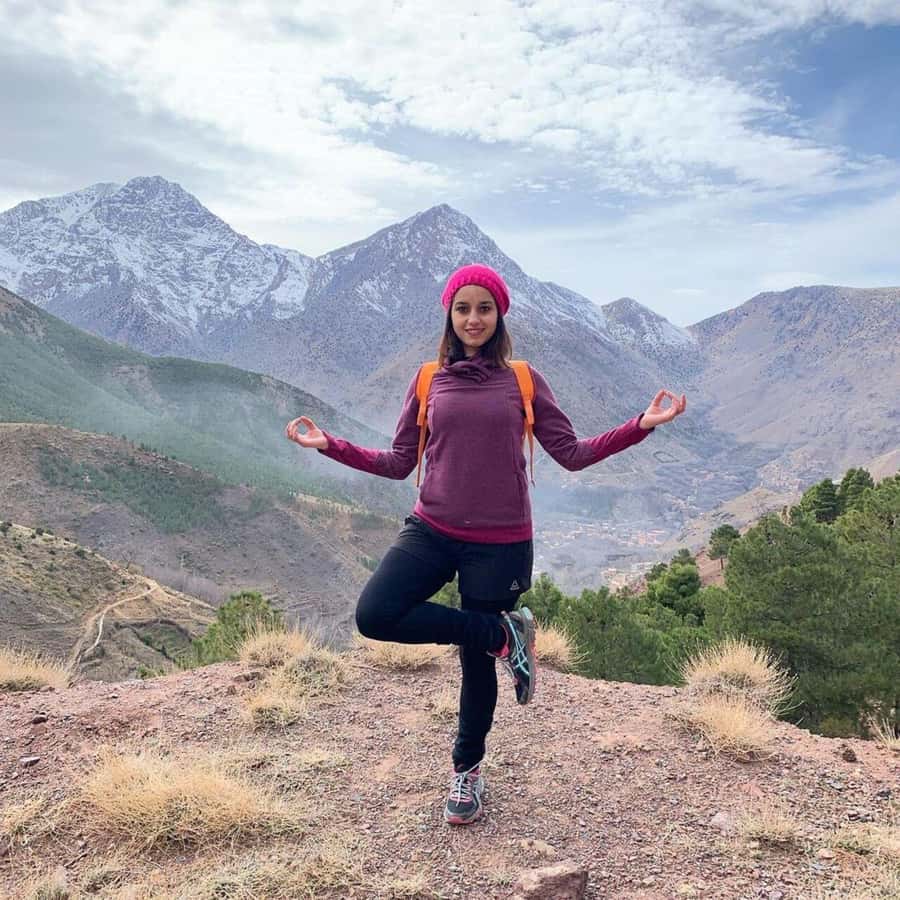
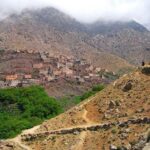
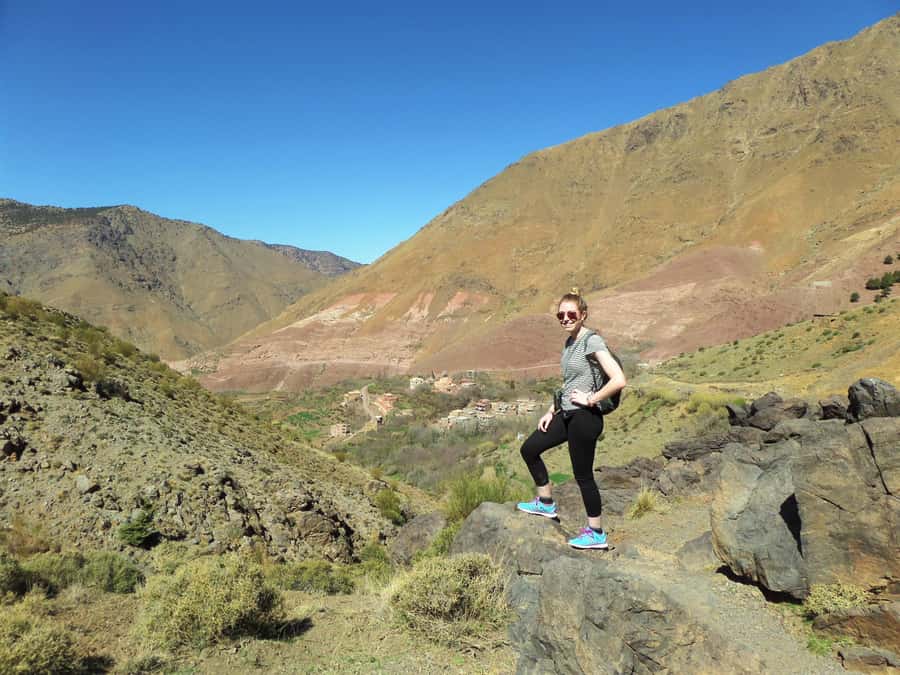
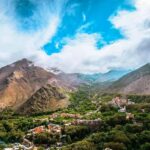
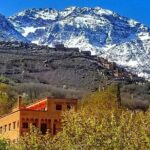
The first hike segment is around 3 hours, and it starts you moving through the Imlil area toward the higher villages. One of the most rewarding parts here is the mix of scenery and “human scale.” You don’t just walk across empty ridges; you pass through areas like Tamaterte, where you can catch glimpses of traditional Berber life against rugged terrain.
After the initial village walking, the trail transitions into a pine forest. That stretch is more than scenery. Pines bring shade and cooler air, which helps your body handle the climb. If you’ve been in Marrakech heat, this forest section feels like a built-in break.
This part of the day is also where you learn how your body reacts. People in the reviews talk about pacing and mini breaks—especially with altitude. Even if you’re fit, it’s smart to hike a little slower than you think you need. The goal is to arrive at the high pass with energy left, not to sprint early and suffer later.
If you’re thinking, Can I do this in regular shoes? Some hikers say they wore trainers and made it work—especially when conditions weren’t snowy. But the safest move is walking shoes you trust on uneven stone.
Tizi N’Tamaterte (2279m): the pass where the route changes tone
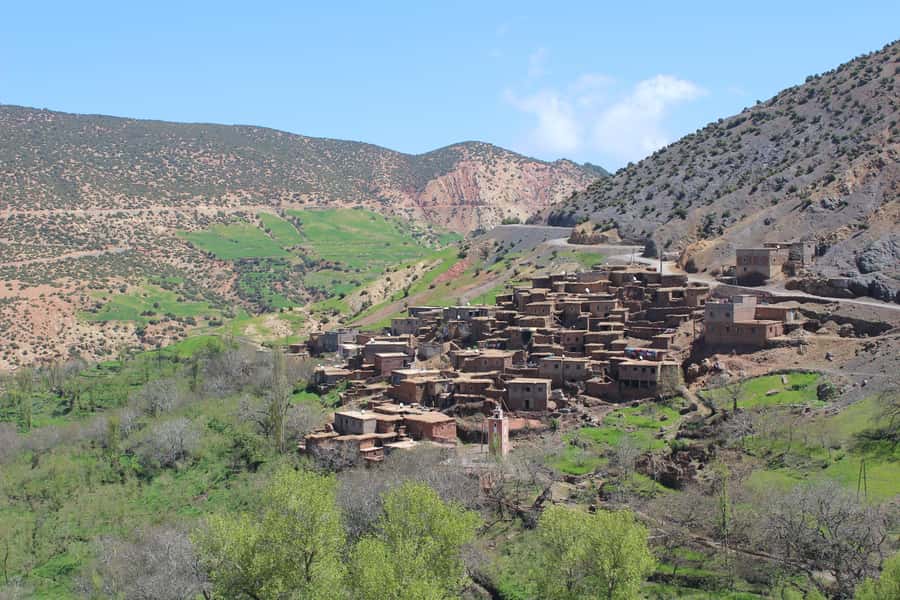
As you climb higher, you reach Tizi N’Tamaterte at 2279 meters. This is where the hike shifts from “steady uphill” to “you feel every step.” It’s a pass area, which means exposed sections and a clearer view line for the terrain around you.
The schedule gives you about 80 minutes for the segment connected with Tizi n’ Tamatert and the approach toward higher ground. In reality, your time depends on conditions and how often your guide stops. Guides are big on keeping the group together, and many hikers mention how the guide was attentive and made sure slower hikers weren’t left behind.
What I like about this part of the day is that it’s a true mental milestone. Once you’re at a known pass elevation, the rest of your climb feels more trackable. You can also enjoy the view windows: valleys like Imlil and Tachedirt often show up below, and distant peaks can look startlingly close on clear days.
Bring a hat and sunscreen here. Sun can feel intense at altitude, even if air temperature feels cool. Also, keep water accessible. The day includes bottled water, but carrying a small portion yourself can keep you from scrambling during steep moments.
Talamrout summit (2700m): the best reward is the view, not the brag
Now you’re in the heart of the day: reaching the summit area called Talamrout, at 2700 meters. Some guides and hikers also refer to related peak points in the area, and you may see mentions of Assaoul as part of the summit outcome. Either way, the experience is consistent: a high, open lookout with a wide panorama.
Your itinerary includes a photo stop around 30 minutes at the summit point. That time matters because it’s when the day clicks into place. You’ll want a little time to breathe, look around, and take pictures without feeling rushed.
One highlight people love is the sunrise-style scenery. Even if you’re not literally watching sunrise from the exact top at the minute, the vibe is the same: early light, long mountain lines, and that moment when you realize you really earned the view.
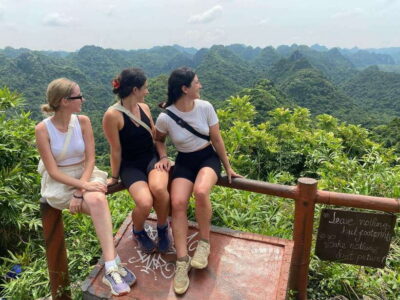
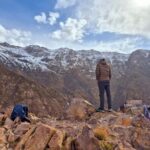
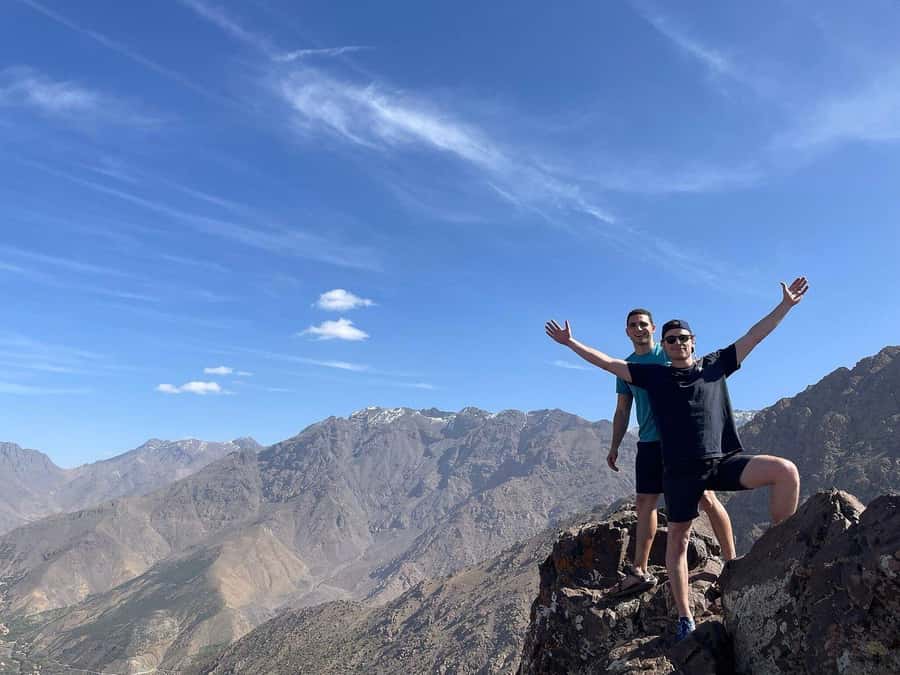
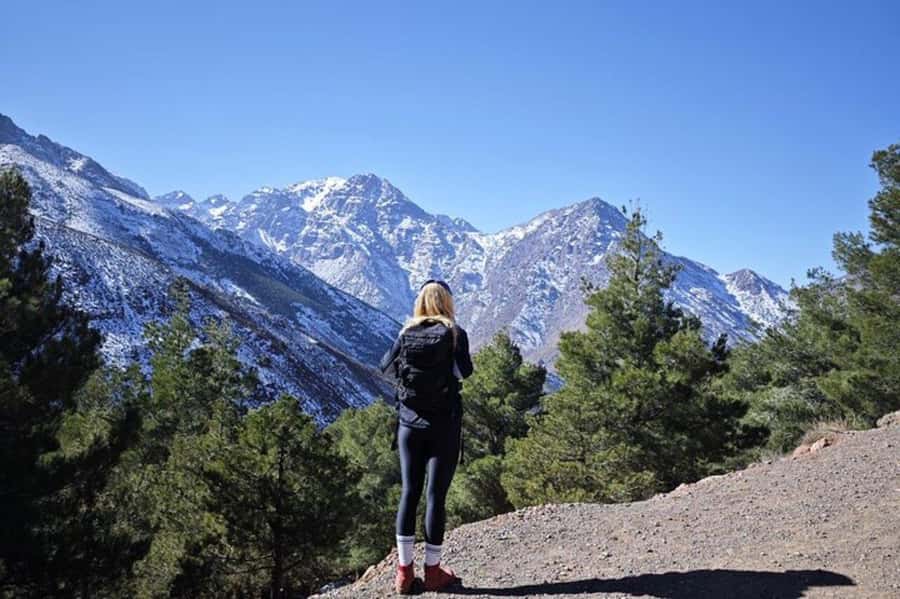
Several hikers mention a 360 panorama and a very strong view of Mt Toubkal in clear conditions. When the sky is sharp, you can see why people call this a summit day and not just a hike. It’s a view you can’t replicate from Marrakech rooftops.
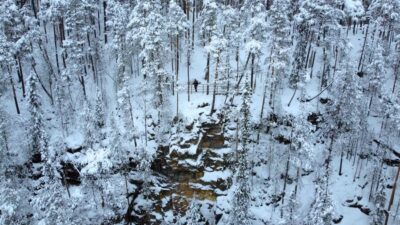
The challenge is the final push and the return down. The ascent can be manageable if you keep a steady pace, but the descent can be hard on your knees and careful feet—especially if there’s snow or slick stone. Reviews mention winter snowfall and highlight that stepping on loose rocks or slippery patches requires extra attention. If snow is on the ground, trekking poles can help; one review even notes the guide offered poles. If poles aren’t included, you might still find gear rental on-site, depending on season and availability.
Descent back to Imlil and lunch at a Berber family house
The descent is not just “reverse the climb.” It’s often more tiring because your footing has to stay accurate. It’s also where you benefit from the guide’s small-group control: pacing, spacing, and reminders to step carefully.
Once you make it back toward Imlil, lunch is waiting at a Berber family house. This is one of the main reasons people feel this day is worth it. Multiple hikers say the tajine for lunch is among the best meals they had in Morocco—comforting, homemade, and served after you’ve worked up a proper appetite.
The meal time is about 1.5 hours, which gives you room to eat slowly and reset your energy. It also helps you transition from hike mode to conversation mode. Many guides bring a friendly cultural touch here; in the reviews, guides like Ibrahim (and others) are described as warm hosts, funny, and attentive.
Even if you’re not someone who collects cultural details, this home lunch changes the day. You’re not just consuming a service; you’re sitting down in an environment built around hospitality.
After lunch, you head back to Marrakech. The full day comes in at about 8 hours, which is long enough to feel like a proper mountain experience but not so long that you’ll waste your whole vacation.
How hard is it, really? Walking shoes, altitude, and winter conditions
This trek is described as not suitable for people with back or heart problems and people with pre-existing medical conditions. It also isn’t recommended for babies under 1 year or for people over 70. That’s not just fine print—the hike involves steep, uneven terrain and sustained uphill walking.
For most other adults, the practical challenge is usually three things:
- Steep sections and uneven ground. Even people who consider themselves fit mention the terrain can be tougher than expected.
- Altitude effects. Some hikers note needing mini breaks and feeling the climb more because of elevation.
- Descent risk when conditions are icy. Snow or wet patches can make loose rocks slippery.
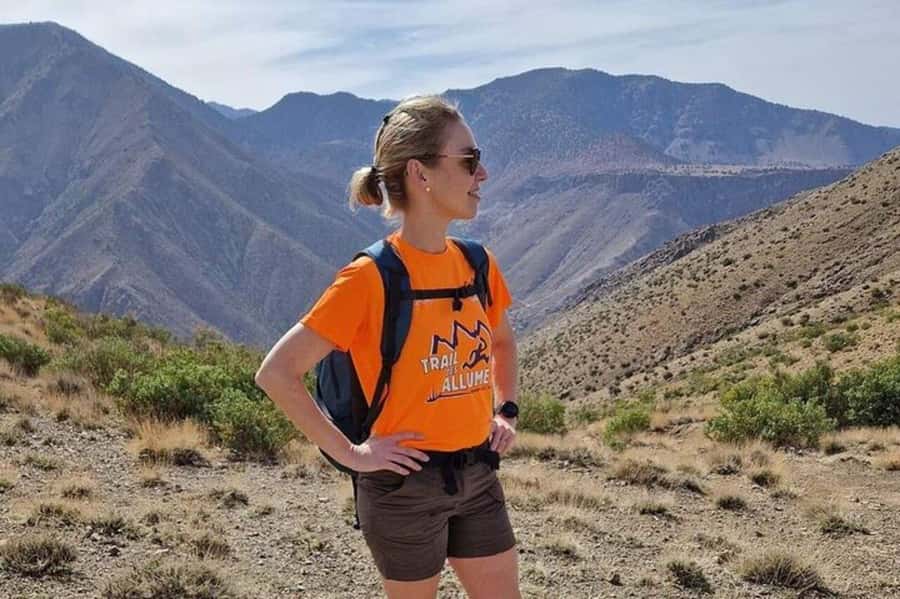
Your gear list is simple and sensible: good walking shoes, a hat, sunscreen, comfortable clothes. If you’re visiting in winter, treat shoes with traction like a non-negotiable. If you show up in smooth-soled sneakers, you might still finish, but your feet and confidence may suffer.
The “small group up to 10” setup helps because your guide can watch everyone’s footing and pace. In reviews, guides are repeatedly praised for being supportive and checking that slower hikers can keep up. In one case, a guide offered walking poles, which tells you that even within the same route, the guide is thinking about safety.
Languages, group size, and guide style (what to expect from the human side)
This tour runs with an English or French live guide. That’s useful because you’ll be able to ask questions and understand the route and timing, not just follow along silently.
The human quality of the guide is a major theme in the feedback. People mention guides such as Ibrahim as motivated, caring, and attentive—making sure everyone could catch up. Others mention Abdul, Abraham, Lhossain, and Elhoussaien with a similar pattern: patience, humor, and a steady focus on keeping the group safe on uneven ground.
You’ll also feel that your guide isn’t just managing logistics. They make tea stops part of the rhythm. They also take photo breaks seriously, which sounds minor until you realize you’re on a summit-worthy route where good photos need time, not rushing.
This is one of those trips where “small group” means more than comfort—it means more shared attention.
Price and value: $27 that includes far more than transportation
At $27 per person for a full 8-hour day, this trek is priced like a local-value activity rather than a premium tour. The key reason is what’s included:
- hotel pickup and drop-off
- transport between Marrakech and the mountain area
- local guide
- lunch in a Berber house
- tea or coffee
- bottled water
That bundle is the value. If you tried to replicate it on your own—driver, guide time, lunch agreement, and the return transport—you’d almost certainly spend more once you factor in the headache of planning.
Also, the cost doesn’t just buy movement. It buys the chance to hike into the High Atlas with a guide who knows how to pace a group on uneven trails, and it buys you a sit-down meal in a family setting after the climb. In the feedback, people repeatedly say the food alone helped make the day feel special, and several call it the best meal they had in Morocco.
If you’re trying to escape Marrakech traffic and mopeds for a day, this is one of the most straightforward ways to do it without losing half your day to complicated planning.
Who should book this trek (and who should skip it)
Book it if:
- you can handle a long uphill walk on uneven ground
- you like mountain views and don’t mind a steep return down
- you want a day outside Marrakech that still feels organized and safe
- you’re happy with a small-group pace and guide attention
Skip or reconsider if:
- you have back or heart problems, or medical conditions that make uneven terrain risky
- you’re not comfortable with steep walking and rocky steps
- you’re planning this with the idea that it’s easy. Some hikers say it’s manageable, but others report it’s tougher than expected—especially when snow shows up
Also consider season. In winter, snow can change the hike from challenging to more cautious. Guides may adapt and help, but you still need appropriate shoes and a mindset for careful steps.
Should you book this Marrakech Atlas Mountains summit day trek?
I’d book it if you want a real High Atlas day without overcomplicating your trip. The combination of 2700m views, a guided route through villages and pine forest, and lunch at a Berber family house is exactly the kind of “worth the effort” day you remember after Marrakech fades.
Don’t book it if you’re hoping for a light walk, or if you’re sensitive to altitude and uneven terrain. Treat it like a hike, not a sightseeing bus ride with a few photos.
If you do book, pack the basics (proper shoes, hat, sunscreen), hydrate, and trust the guide’s pacing. Your reward won’t be a certificate. It will be that moment at the summit when the mountains finally look like more than a postcard.
FAQ
What time does the trek last?
The full experience runs for about 8 hours, from pickup in Marrakech to your return.
What altitude do you reach on this trek?
The hike targets the Talamrout summit at 2700 meters.
Is breakfast included?
The provided details mention tea or coffee, but they do not specifically say breakfast is included.
Is lunch included, and where do you eat?
Yes. You have lunch in a Berber family house after the hike.
How long do you hike during the day?
The schedule includes about 3 hours of hiking in the Imlil Valley, plus additional hiking segments on the route toward and around the higher pass and summit area.
How big is the group?
The group is small, limited to 10 participants.
How does pickup work if I’m staying in a riad in the Medina?
You’ll be picked up from the closest accessible point to your riad by car, rather than necessarily from right at your door.