REVIEW · MANILA
Manila: Mount Pinatubo 4X4 & Hiking Trip
Book on GetYourGuide →Operated by Abraham Tours Philippines · Bookable on GetYourGuide
Pinatubo turns a long day into a story. This full-day trip from Manila mixes 4×4 off-road chaos with a real on-foot volcanic trek, then pays off at a turquoise crater lake you’ll remember for years. I love the way the journey changes gears, from dramatic lahar terrain to a guided hike through canyons and dry streams. I also like that you get a small window into Aeta life, not just a photo stop.
The one thing to watch: the ride and timing can feel rigid, and comfort depends a lot on the jeep setup. If you want lots of slow, chatty guiding, go in ready to ask questions—communication quality has not been consistent on every departure.
In This Review
- Why This Pinatubo Day Hits Different Than a Typical Day Trip
- From Makati to Camp Kainomayan: Long Hours, Worth It for Sunrise Timing
- 4×4 Off-Road Across Volcanic Terrain: The Ride You’ll Talk About Later
- The 6-km Roundtrip Hike: Mudflow Country, River Crossings, and Real Footwork
- The Crater Lake Moment: Lunch, Free Time, and Photo Ops at the Top
- Getting Back: Downhill Legs, Another Jeep Ride, and a Late Return to Manila
- Aeta Connection: Cultural Glimpses You Should Respect (and Ask About)
- Price and Logistics: Is $110 Good Value for Pinatubo?
- Packing for Mud, Sun, and a Camera Full of Turquoise
- Who Should Book This and Who Should Skip It
- Should You Book Mount Pinatubo 4×4 & Hiking with Abraham Tours?
- FAQ
- How long is the Mount Pinatubo 4×4 & Hiking Trip?
- Where do I meet for the tour?
- Is the tour wheelchair accessible?
- What’s included in the price?
- What should I bring since food and drinks aren’t included?
- How much hiking is involved?
- Is the guide English-speaking?
Why This Pinatubo Day Hits Different Than a Typical Day Trip
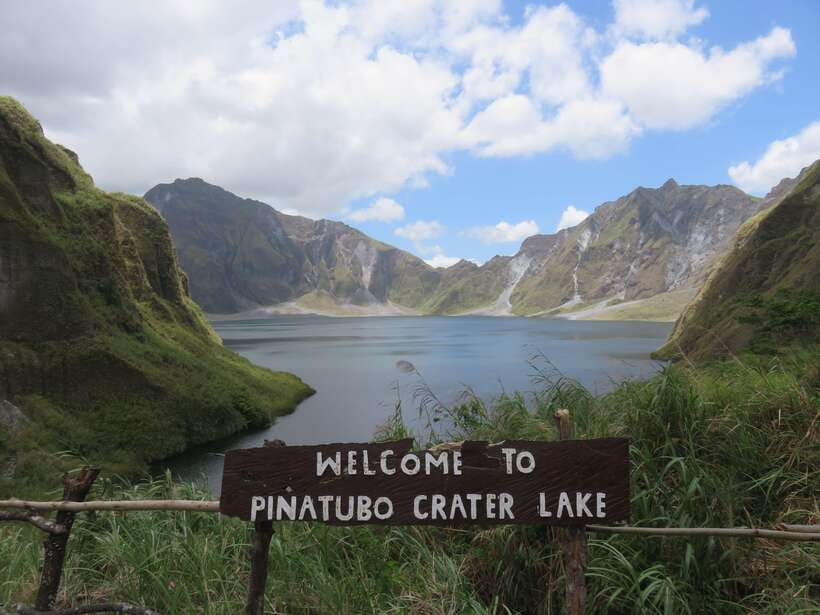
Mount Pinatubo is famous for a reason. The volcano that shook the world in 1991 still shapes the terrain you drive and hike through today, and you’ll feel it in the ground under your feet. Early starts help you dodge harsher heat and catch better light over the lahar fields and the approach to the crater.
This tour is also built around motion. You’re not parked at a viewpoint for hours. You’ll bounce along volcanic terrain, cross small rivers on foot, and walk through a canyon-like route before reaching the crater. That mix is what makes the day feel like an adventure rather than a checklist.
Finally, the crater lake is the emotional payoff. The moment you get your first proper look at that turquoise color inside the caldera, the physical work makes sense. It’s the kind of scenery where you stop trying to take a perfect photo and just stare for a minute.
From Makati to Camp Kainomayan: Long Hours, Worth It for Sunrise Timing
You meet at Treats inside the Petron on Makati Avenue late at night—then the trip begins early enough to reach the jump-off area just after sunrise. That matters more than you’d think. Cooler morning weather makes the hike easier, and morning light improves your crater photos.
The drive is long. The schedule puts you on van transport for about 5.5 hours before you switch to the off-road portion. I’m not going to pretend it’s thrilling the whole way, but it’s part of the value: transportation is handled, and you’re not negotiating your own way through the region on a tight hiking timeline.
Once you arrive at Camp Kainomayan, you’re ready to go. This is the moment when the day clicks into action—4×4 gearing up, then shoes on, then you’re heading into lahar country with a guide.
4×4 Off-Road Across Volcanic Terrain: The Ride You’ll Talk About Later
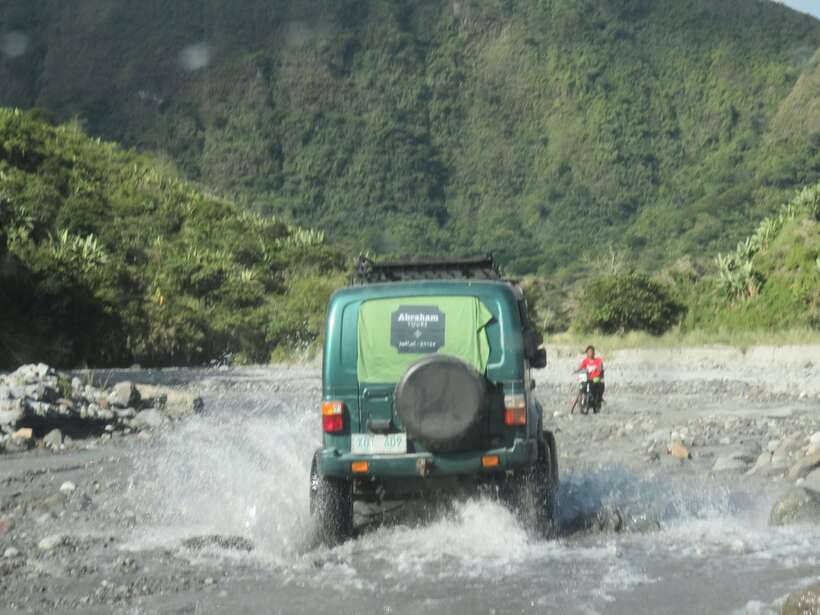
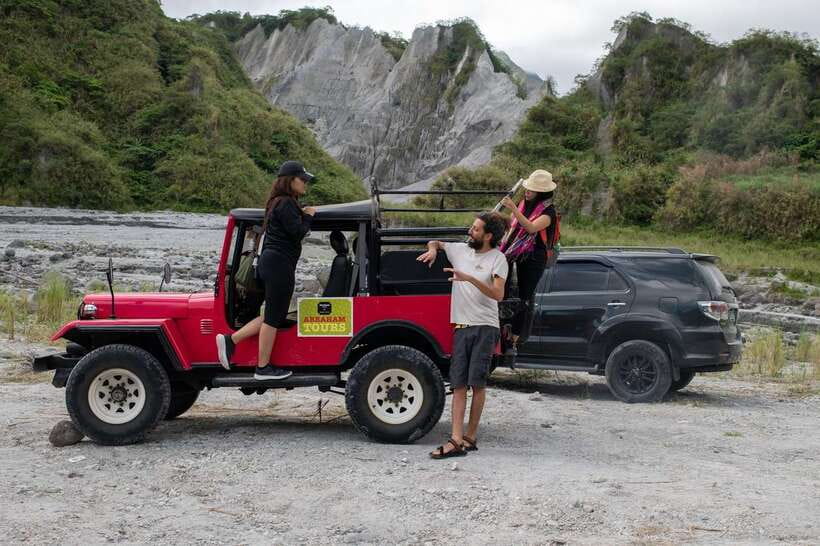
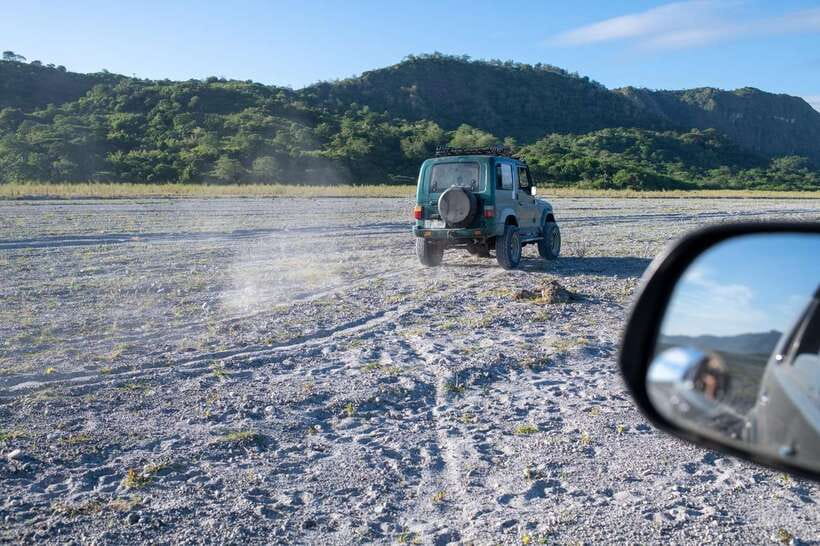
The off-road segment is where this trip gets real. Expect about 3 hours of 4×4 driving over ash valleys, rocky riverbeds, and raw volcanic ground that can look otherworldly. It’s not a smooth city ride—this is the kind of road where the jeep does its own choreography.
You should also think about your comfort expectations. One previous guest noted bank-style seating and found it not very comfortable for the price. That’s a fair consideration. If you’re sensitive to rough rides, bring your own tolerance strategy: sit where you feel most stable, keep your water secure, and don’t assume you’ll be refreshed at the end.
The driver and timing matter, and the good side of this trip is that when things run well, the 4×4 portion feels like a highlight, not a chore. A well-run drive makes the terrain feel like a guided path through history—every turn shows you why the volcano left such a strange world behind.
The 6-km Roundtrip Hike: Mudflow Country, River Crossings, and Real Footwork
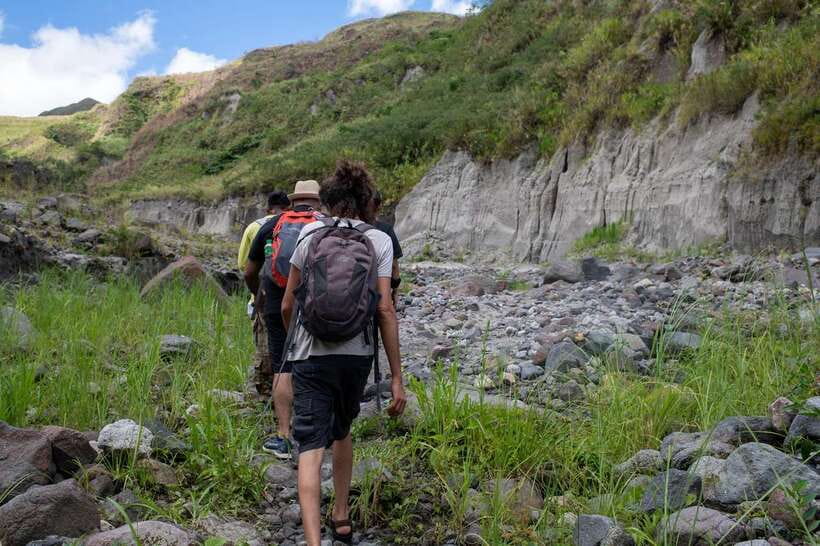
The hike is roughly 6 km roundtrip, with a guided trek through canyons, dry streambeds, and areas shaped by mudflow. The route includes a mix of slopes and uneven footing, plus small rivers where you’ll step through as part of the trek.
This is where your shoes and socks really matter. The trip specifically advises comfortable footwear, because river-crossings can be awkward if your shoes are slippery or too stiff. I’d rather you overpack socks and deal with the day’s wetness than spend the hike worrying about blisters.
The good part: the hike feels active and rewarding. You’re moving between slopes of mudflow, surrounded by towering walls and surreal terrain, and you get guidance while you walk through it. The physical challenge is fun, not just exercise for exercise’s sake.
The not-so-fun part: if you’re expecting a slow, highly informative walk, temper expectations. Communication and guide detail can vary by departure. In other words, don’t rely on narration alone—ask questions when you have them, especially about the terrain and the Aeta community connection.
The Crater Lake Moment: Lunch, Free Time, and Photo Ops at the Top
Once you reach the crater area, the day finally settles into the crater’s mood. You’ll get about an hour at the crater region for lunch and free time, plus sightseeing, which brings the total crater-side window to around 1.5 hours.
This is your time to do three things:
- Take a steady look first, then photograph.
- Walk around enough to see how the views change.
- Eat something while you still have energy, because the hike down comes right after.
That crater lake is the big draw: a turquoise pool sitting inside a massive volcanic caldera. It’s visually dramatic, but it’s also scientifically interesting in the way it shows how the landscape remade itself. If you can, give yourself a few minutes of no-camera time. The color looks unreal, and your eyes will want a second look even after your photos are done.
If you’re hungry, plan ahead. Lunch is part of the crater stop, but drinks and food are not included in the tour package. So bring water and be ready to buy or supplement snacks if you need them.
Getting Back: Downhill Legs, Another Jeep Ride, and a Late Return to Manila
After crater time, you head downhill on foot and then back to the jeep. The schedule has you completing the hike and rejoining the vehicle, then driving back with a later arrival back near Petron around 10:30 PM.
That return timing is normal for a Manila day trip to a remote site. It also means you should think of this as a full-day event, not an early evening plan. I’d plan dinner near your lodging when you get back, not before—your energy budget will be running low by the final jeep ride.
On the plus side, the downhill part gives you a sense of completion. When you’ve seen the lake and then start heading back through the same lahar-shaped world, you get a clearer picture of the whole route in context.
Aeta Connection: Cultural Glimpses You Should Respect (and Ask About)
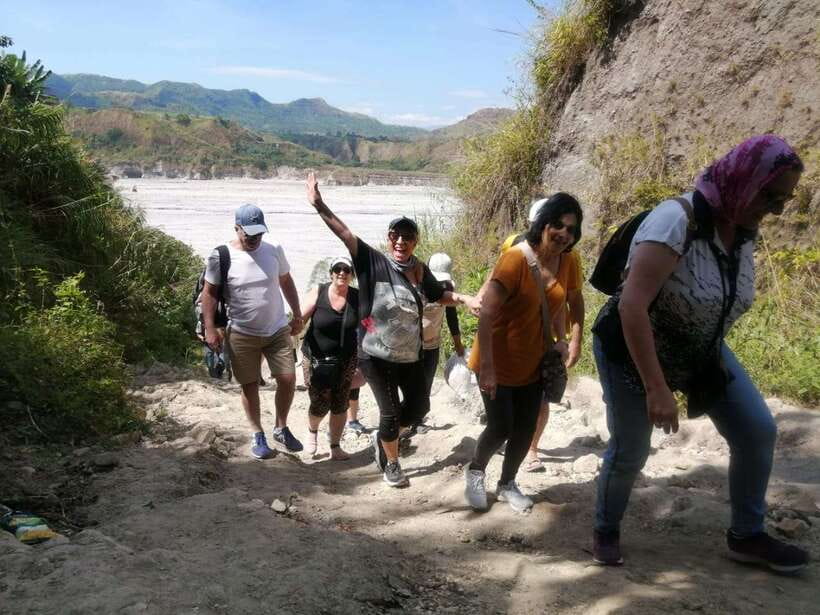
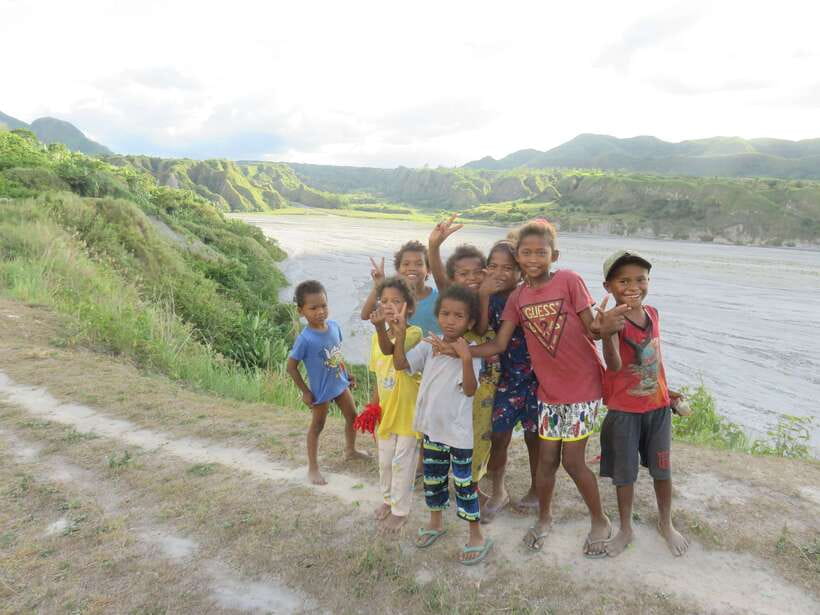
One of the stated highlights is a glimpse into the way of life of the indigenous Aeta people. That’s not just a box-check—it changes how the day feels.
Because the details of that cultural time are not spelled out in the basic trip description, I recommend you treat it as an opportunity to be present and curious, not as a souvenir stop. If the guide talks about daily life and the landscape’s role in it, listen and ask simple questions like what you’re seeing and how people adapt to the terrain.
Also, since English guidance can vary by departure, bring patience. If your guide’s English is limited, you can still show respect with good attention and willingness to communicate.
Price and Logistics: Is $110 Good Value for Pinatubo?
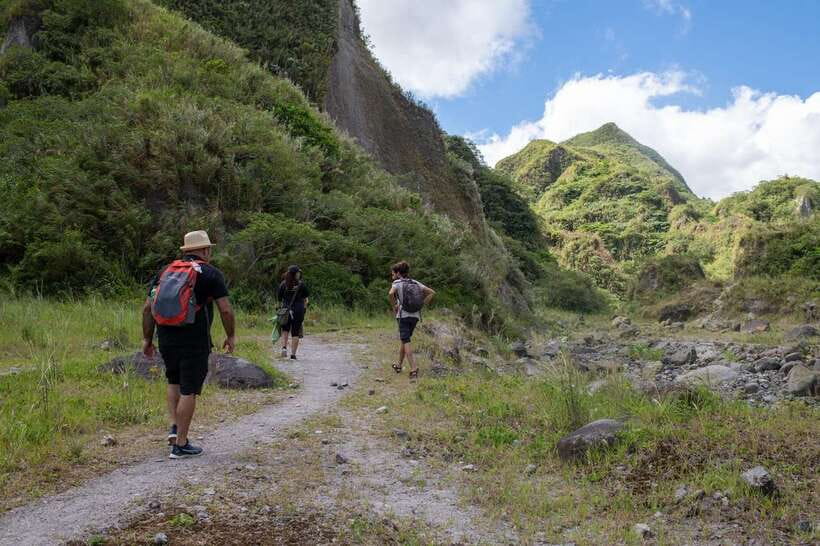
At $110 per person for a roughly 12-hour day, you’re paying for three things: long-distance transportation, entrance fees, and a local guide. Food and drinks are on you, so part of the real cost is what you bring or buy during the day.
Here’s how I think about the value:
- If the tour runs on schedule and the 4×4 portion feels well-organized, the cost makes sense. You’re paying for access, safety coordination, and a guided trek to a site most people can’t reach easily on their own.
- If your departure gets delayed, comfort becomes a bigger issue. One past guest described a long wait for a 4×4 and felt the information flow was thin. Delays can happen, but if they do, the price starts feeling heavier.
- If you’re comparing options, the vehicle matters. Another guest felt the jeep seating and comfort didn’t match the price, especially compared to land cruiser-style seating offered by some operators.
Bottom line: it can be great value, but you should go in with realistic expectations about vehicle comfort and how much commentary you’ll get.
Packing for Mud, Sun, and a Camera Full of Turquoise
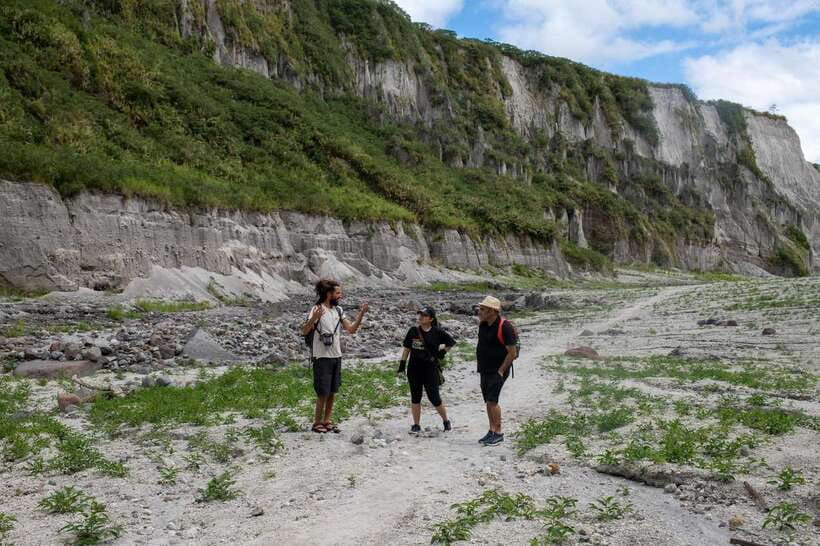
This day is simple to pack for, but you do need the basics. The trip’s guidance is consistent: wear comfortable shoes, and bring a hat, sunscreen, water, camera, and cash for extra drinks or food.
Here’s my practical checklist based on what this route tends to involve:
- Comfortable, grippy shoes for uneven ground and river crossings
- Hat + sunscreen for long outdoor time
- Water bottle and a plan for refills
- Cash for drinks/snacks you might want beyond what you brought
- Camera (and a zip bag or case if you’re worried about splash and dust)
- Packed meals or snacks if you don’t want to rely on purchases
Also, think about clothing you can live in after the hike. You’ll likely come away dusty, and if you hit wetter river sections, your shoes will know about it.
Who Should Book This and Who Should Skip It
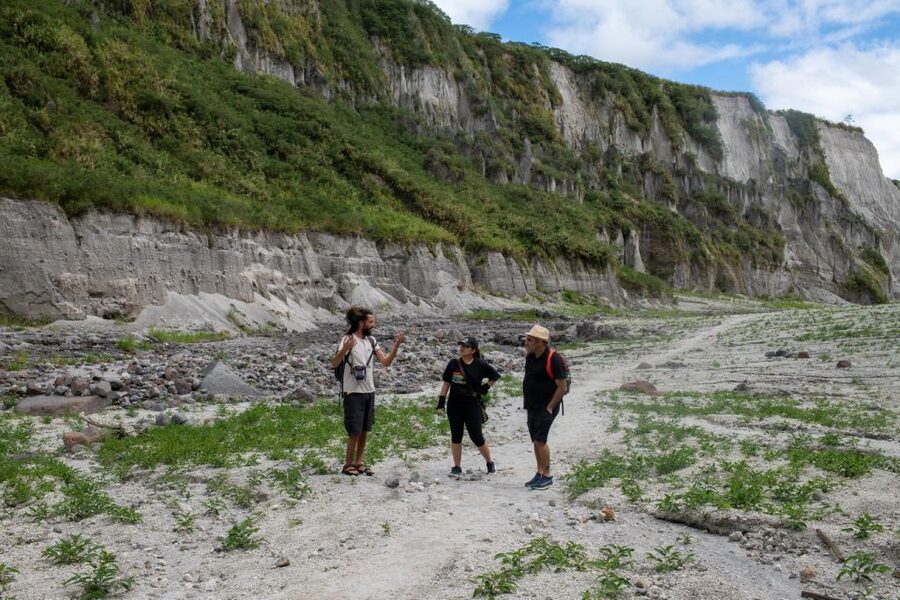
This tour fits best if you want an active day with big scenery and you’re okay with a long Manila-to-volcano travel rhythm. You’ll enjoy it most if you:
- Like off-road rides and don’t mind a bumpy schedule
- Can handle a moderate hike with river crossings
- Want a guided experience that includes crater views and cultural context
It’s not suitable for wheelchair users. And if you have mobility limits that make uneven ground and river steps difficult, you should reconsider.
Should You Book Mount Pinatubo 4×4 & Hiking with Abraham Tours?
If you want the crater lake plus the real route to get there, I’d book this type of trip. The 4×4 adds the right kind of drama, the hike gives you effort-to-reward payoff, and the crater stop is the reason you’re there.
Just do two things before you commit:
- Bring footwear that’s made for river crossings, not just walking on pavement.
- Manage expectations about comfort and narration. The English guide is listed, but communication quality can vary, and the day can move fast.
If you can handle a full-day push and want a Pinatubo day that feels like an adventure rather than a drive-and-park, this one is worth your time.
FAQ
How long is the Mount Pinatubo 4×4 & Hiking Trip?
The total duration is about 12 hours.
Where do I meet for the tour?
You meet inside Treats Convenience Store in Petron on Makati Avenue. The meeting point is listed at 11:00 PM.
Is the tour wheelchair accessible?
No. The tour is not suitable for wheelchair users.
What’s included in the price?
Transportation, entrance fees, and a local guide in Pinatubo are included.
What should I bring since food and drinks aren’t included?
Bring water, sunscreen, a hat, comfortable shoes, a camera, and cash for extra drinks or food. The tour also advises packed meals or snacks.
How much hiking is involved?
The trek is approximately 6 km roundtrip, including river crossings.
Is the guide English-speaking?
A live tour guide in English is listed as part of the experience.