REVIEW · KIGALI
Local hills hiking
Book on Viator →Operated by Beyond the Gorillas Experience · Bookable on Viator
One morning, you trade Kigali streets for hill air. This is a 6-hour hiking day from Gakenke that pushes up to about 8,700 feet (2,660 meters), then pays you back with wide views over lakes, villages, and Bagenge Rock. Along the way, you also get a community-focused stop at an open-air market and a local primary school.
I especially like the way this tour mixes two Rwanda experiences that fit together: a climb with big sightlines and a human-scale village visit. I also like the small-group setup (up to 20 people) because it keeps the day from feeling like a conveyor belt. One consideration: this hike is not for beginners or anyone who expects an easy walk—good physical fitness matters, and there’s a serious uphill component.
If you want your day to feel grounded, this one does. The Gakenke Market stop is practical and lively, centered on local trade—bananas, fruits, vegetables, and staple foods—so you see daily life, not a staged performance. The main downside to factor in is timing and weather: the activity depends on good conditions, so plan to be flexible if the day gets shifted.
In This Review
- Key Things I’d Watch For Before You Go
- Why This Gakenke Hill Hike Feels Like the Real Rwanda
- Morning Plan: Start at 8:00, Back by the Same Place
- Gakenke Market Stop: Community Trade and Real Everyday Colors
- The Hike Up to the Tallest Hill (8,700 Feet)
- Village Life Connections: Primary School Visit and Village Views
- Snacks, Water, and What You Should Bring
- Price and Value: How $110 Fits This Kind of Day
- Who This Hike Is Best For (and Who Should Rethink It)
- Booking Timing and What It Means for Your Planning
- Should You Book This Kigali Hills Hiking Tour?
- FAQ
- How long is the local hills hiking experience?
- What time does the tour start in Kigali?
- Where does the hike begin and where does it end?
- Is pickup available from my accommodation?
- What is included in the price?
- What should I bring if snacks are included?
- What level of fitness do I need?
- How large is the group?
- What happens if weather conditions are poor?
Key Things I’d Watch For Before You Go
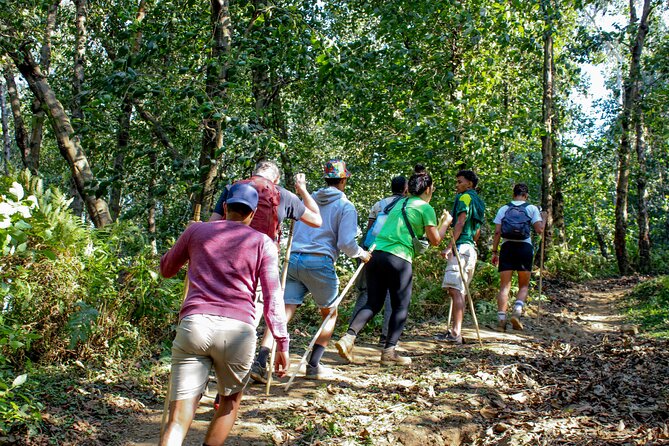
- 8,700-foot summit time: you’ll spend effort climbing high enough for big panoramic views.
- Gakenke Market visit: an open-air community gathering with local produce and staples.
- Local primary school stop: a chance to see the everyday side of village life.
- Small group size (max 20): easier pace, easier guide interaction.
- Snacks included, but bring extras: you’ll likely want your own backup for comfort.
- Good fitness required: this is described as not for the faint heart.
Why This Gakenke Hill Hike Feels Like the Real Rwanda
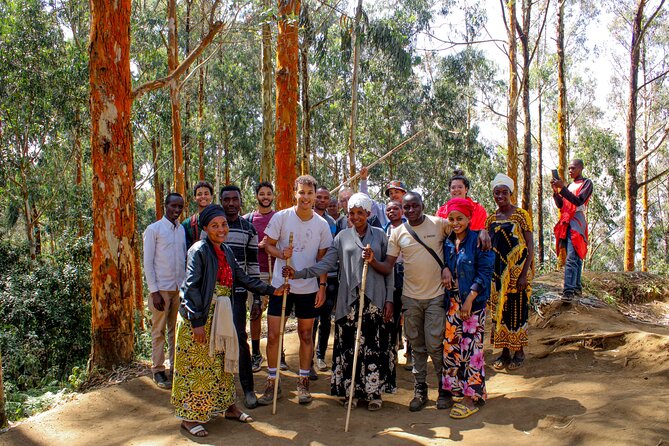
This hike is built around a simple idea: if you want the best views in Rwanda, you earn them on foot. You’ll start in Gakenke, hike up to the area’s tallest hill, and then look out across lakes, villages, and Bagenge Rock. That height turns the day from just walking into a perspective shift.
I also like the balance of the day. You’re not hiking in isolation—you stop to connect with local life through the open-air market and a local primary school visit. It’s a tour that tries to show you Rwanda as people live it, then gives you the sky-level reward at the top.
Finally, the guide experience seems to matter here. The overall feedback points to guides who keep things interactive and interesting, which helps a lot when you’re working hard uphill. If you like learning while you move, this kind of guiding style can make the climbs feel less like effort and more like a story.
Morning Plan: Start at 8:00, Back by the Same Place
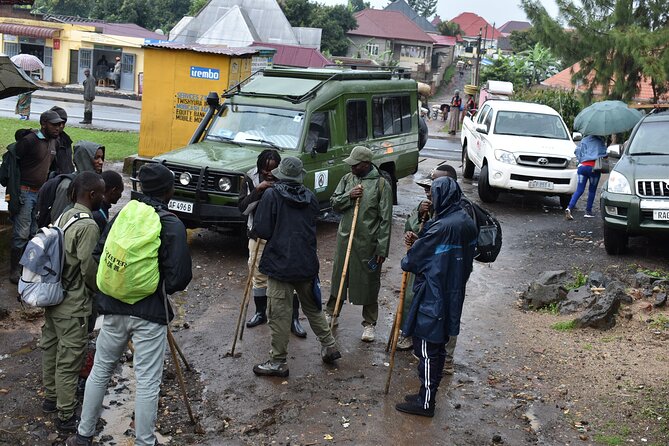
The day runs for about 6 hours, and it kicks off at 8:00 am. That’s a solid time window because mornings are often cooler and easier for hiking in hilly terrain. You’ll return to the meeting point at the end, keeping the logistics clean.
Pickup is offered, and the experience includes round-trip transfers from your accommodation. Just note the wording about transportation: private transportation isn’t included, so what you’re getting is group or shared transfers rather than a dedicated car for just you. If you’re traveling as a small party, that’s still usually fine; it just means you should plan for a short wait while pickup happens.
The day also caps at a maximum of 20 travelers. That’s big enough to meet other people, but small enough to avoid the feeling that you’re being marched around.
Gakenke Market Stop: Community Trade and Real Everyday Colors
Your first stop is Gakenke Market, an open-air community gathering known for strong day-to-day trade. You’ll see bananas alongside other fruits and vegetables, plus staple foods. This isn’t just a photo stop; it’s the rhythm of what people buy and sell.
I like market visits that have a purpose beyond scenery. Here, it helps you contextualize the rest of your day: after you’ve seen how communities feed themselves and support local business, the later village-side viewpoints land differently. You’re not just looking at houses—you’re seeing where daily life is happening.
It’s also an easy breather before the hike. The market stop is around 20 minutes, with the admission ticket listed as free. In other words, you get a quick cultural hit without burning too much energy right before the uphill work.
The Hike Up to the Tallest Hill (8,700 Feet)
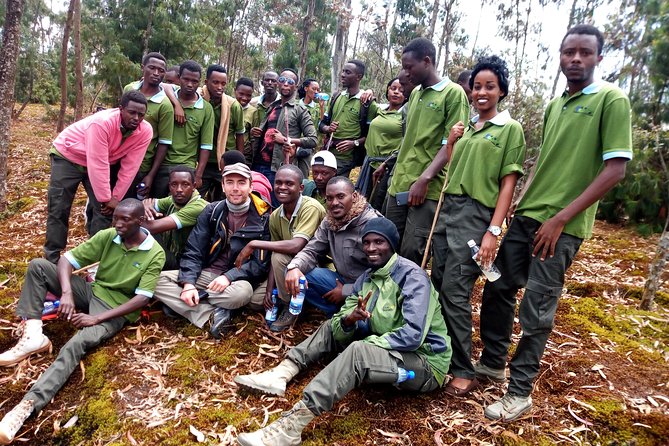
The main event is the climb to the area’s tallest hill, reaching about 8,700 feet (2,660 meters) above sea level. That elevation matters. Even if you’re fit, altitude plus steep grades can change your pace fast—so plan to take it slow, breathe, and accept that this is a climb, not a sprint.
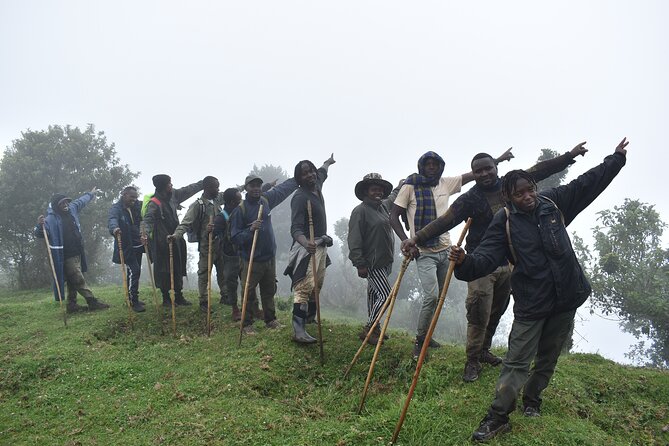
The good news: this is exactly where the payoff is. From the top, you can enjoy views of lakes, villages, and Bagenge Rock. Those named landmarks are useful because it means the view isn’t vague. You’re not just looking at “scenery”—you’re looking at a specific set of geographic features your guide can point out.
One practical consideration: this is repeatedly described as not for the faint-hearted. That doesn’t mean it’s impossible, but it does mean you should treat it like a real hike. If you’re the type who hikes only on flat paths, you’ll likely feel it. If you’re comfortable with uphill walking, uneven ground, and a firm pace for several hours, you’ll stand a better chance.
Village Life Connections: Primary School Visit and Village Views
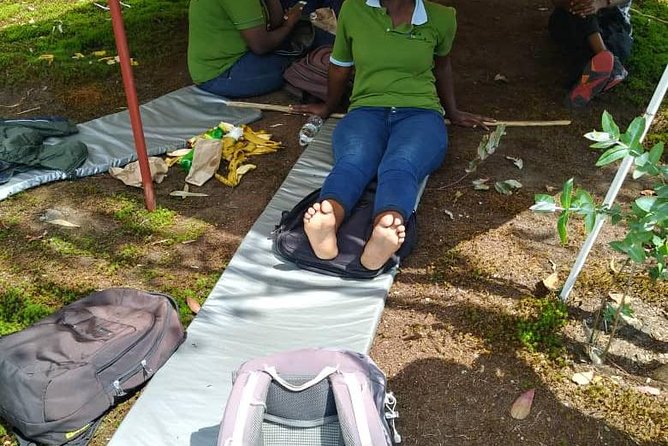
The day includes a stop at a local primary school. It’s part of the value here: you’re not only observing from a distance. A school visit adds a human scale to the trek, turning the hike into a day of community connection rather than just exercise.
After that, the viewpoint component keeps reinforcing the “why” of your climb. When you’re at elevation, you can see villages spread across the hills, and you can connect the dots between the community you visited and the places you’re now looking down onto. That’s one of those experiences that makes the day feel complete.
Also, because the overall group is kept to a maximum of 20, these stops tend to feel more personal. You have time to look, ask, and understand without the pressure of constant rushing.
Snacks, Water, and What You Should Bring
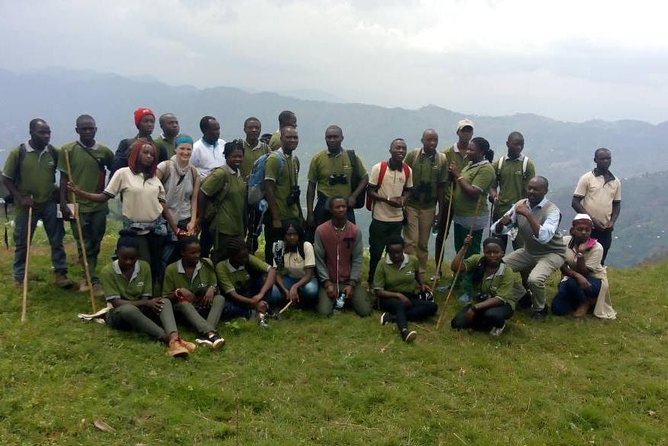
Snacks are included, which is a nice baseline. Still, the guidance explicitly recommends bringing your own snacks too. That’s smart on a hike like this because energy needs vary by person, and it’s better to have a backup than to start rationing.
Since the tour lasts about 6 hours, I’d plan for at least some time where you’re between “planned feeding moments.” A small extra supply of snacks also helps if you’re a slower climber and need more fuel as you go.
What else should you plan for? The hike depends on good weather. If conditions are poor, the experience may be canceled and you’ll be offered a different date or a full refund. So you want to bring gear you can stand behind in changing conditions—good footwear and clothing you can adjust as the temperature shifts during your morning and descent.
If you’re someone who tends to get chilled during breaks, pack accordingly. Morning starts can feel mild at the beginning and different once you’re high on the hill.
Price and Value: How $110 Fits This Kind of Day
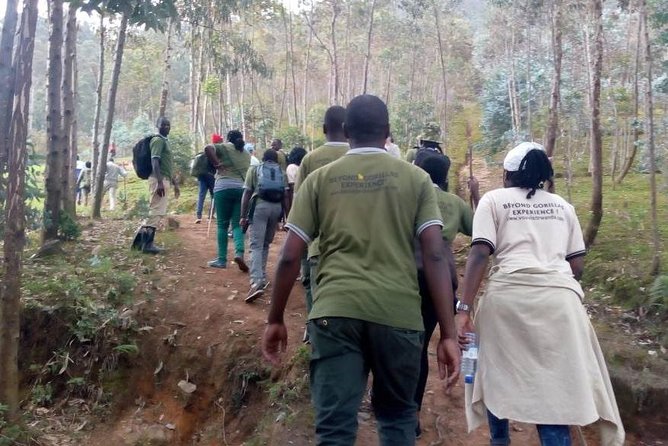
At $110 per person, this isn’t a budget stroll, but it also isn’t a luxury-priced adventure. The value comes from several bundled elements: the guide-led hike to high elevation, the included market and primary school stops, the inclusion of snacks, and the round-trip transfers from your accommodation.
Those transfers matter more than they sound. In places where local roads can take time, having pickup and return handled keeps your day focused on the experience instead of logistics. And because the group is capped at 20, you’re not paying for a private escort unless you choose to travel that way separately.
The biggest determinant of whether the price feels fair is effort level. If you’re physically up for a challenging hike, you’re buying a full half-day outdoors plus real community moments. If you’re not comfortable with uphill walking, you’ll spend much of the day thinking about your legs rather than the views—so you may feel like the cost didn’t match the enjoyment.
Who This Hike Is Best For (and Who Should Rethink It)
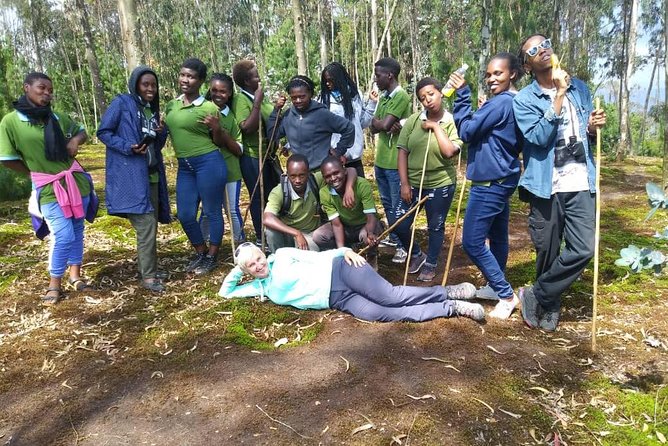
This tour suits you if you want a balanced Rwanda day: exercise with real rewards, plus cultural stops that tie into daily community life. It’s also a good fit if you enjoy guided interpretation—feedback suggests guides here make the hike interactive and interesting.
It’s also ideal if you like small-group days. Up to 20 people means you can still hear the guide, ask questions, and take breaks without constantly being swept along.
Rethink it if you’re easily discouraged by steep climbs or you haven’t built up trekking stamina. The description and tone around difficulty clearly warn against expecting a light walk. This is for people who see a hill and think, Let’s do it.
Booking Timing and What It Means for Your Planning
The tour is typically booked about 40 days in advance on average. That doesn’t mean you’ll never find a last-minute slot, but it does suggest better planning will give you more date options. If you’re in Kigali for a short window, it’s worth booking earlier so you’re not stuck with weather-related changes.
The good weather requirement is another reason to plan ahead. If the day gets canceled for poor conditions, you may be offered a different date or a refund, but you still need to have flexibility in your schedule. If your Kigali itinerary is tight, that’s something to weigh.
Should You Book This Kigali Hills Hiking Tour?
You should book this tour if you want a real hike with height, clear views you can point to (lakes, villages, Bagenge Rock), and community stops that don’t feel like a detour. I think it’s a strong choice when you value both physical challenge and human-scale encounters, especially with a guide who keeps things engaging.
Skip it or pick another option if you’re not confident with a steep, sustained climb. Even with snacks and a morning start, this is positioned as a tough hike, not a casual walk. If that doesn’t match your fitness level, the day may feel more stressful than rewarding.
If you do book, come ready for a workout, bring your own snack backup, and keep your expectations aligned: this is about effort meeting views and village life.
FAQ
How long is the local hills hiking experience?
It runs for about 6 hours (approx.).
What time does the tour start in Kigali?
The start time is 8:00 am.
Where does the hike begin and where does it end?
It starts in Gakenke, Rwanda, and it ends back at the meeting point.
Is pickup available from my accommodation?
Yes. Pickup is offered, with round-trip transfers from your accommodation.
What is included in the price?
Snacks are included.
What should I bring if snacks are included?
Snacks are included, but it’s recommended that you bring your own as well.
What level of fitness do I need?
Travelers should have a strong physical fitness level.
How large is the group?
The maximum number of travelers is 20.
What happens if weather conditions are poor?
The experience requires good weather. If it’s canceled due to poor weather, you’ll be offered a different date or a full refund.