REVIEW · PUNTA CANA
Let’s do hiking in Punta Cana
Book on Viator →Operated by Culebike Adventure · Bookable on Viator
Escape the all-inclusive with a mountain hike. In Punta Cana, this guided trek in the Eastern Cordillera takes you from Vista Alegre toward Anamuya, with commentary and photo stops along the way. You get off the sand-and-sun loop and into real tropical countryside—trees, birds, small riachuelos, and views that feel a world away.
I especially like the on-route fueling: fruits, bottled water, soda, plus coffee or tea. I also like how the guide experience stays practical, pointing out what you’re actually walking through—plants, animals, and how the area works. A friendly team matters too; guides like Wilkin and drivers like Paul show up with good communication and an easy, supportive pace.
One consideration: this is not a walk in the park. The trail can get muddy, with steep sections and small water crossings, so good grip shoes and a realistic fitness level are key—especially if it recently rained.
In This Review
- Key things to know before you hike in Punta Cana
- Why this Punta Cana hike is more than a beach break
- Pickup, ride time, and the small-group feel that helps
- The hike between Vista Alegre and Anamuya: 5 km, steep bits, and real footing
- The views, wildlife spotting, and why the guide makes it click
- Stops that keep you going: fruit, soda, water, and coffee/tea
- The farm and plantation stop: coffee, chocolate, and local life
- What the tour feels like in rain or mud
- Who this Punta Cana hike is best for (and who should skip it)
- Price and value: does $75 make sense?
- What to pack so the day doesn’t feel harder than it needs to
- My take: the smart way to enjoy this hike
- Should you book this Punta Cana mountain hiking tour?
- FAQ
- How long is the Punta Cana hiking tour?
- Do they pick you up from your resort area?
- Is there a mobile ticket?
- How long is the hike on foot?
- What’s included during the hike?
- Are meals or alcohol included?
- What group size should I expect?
- What if the weather is bad?
- Who should not join this tour?
Key things to know before you hike in Punta Cana
- Small groups (up to 20), so you’re not stuck waiting for strangers at every turn
- About 5 km with steep hills, which can feel tougher than the distance suggests
- Fuel included: fruits, water, soda, and coffee or tea to keep energy steady
- Expect mud and mini stream crossings, especially after rain
- Guides like Wilkin focus on plants, birds, and what’s happening in the ecosystem
- Farm stop for coffee and chocolate, plus local community life along the route
Why this Punta Cana hike is more than a beach break
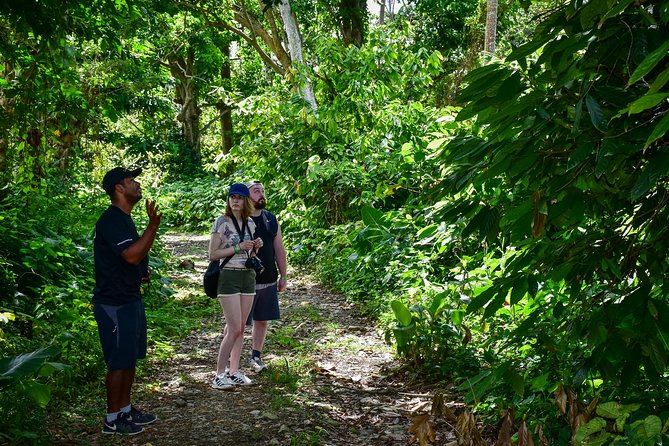
Punta Cana is built around resorts. This tour is built around the opposite idea: you trade pool time for an honest mountain walk in the Dominican Republic interior. You’re hiking through the Eastern Cordillera, where tropical vegetation grows thick and the air feels different the moment you leave the flat coast.
What makes it interesting is the guide-led approach. Even if you’ve never hiked off resort grounds, you follow a clear route, stop for photos, and get frequent moments to catch your breath. You’re not just “walking in nature.” You’re learning how that nature fits together—flora, animals, and the island’s rocky/soil basics through real-world explanations.
The best part for many people is that it feels authentic without feeling chaotic. You see everyday land use too—trees, local farm life, and a ranch/plantation stop that turns the hike into a cultural experience, not just exercise.
Pickup, ride time, and the small-group feel that helps
This is a half-day format that starts with pickup. The vehicle is air-conditioned, and you’ll hear live commentary along the way. In practical terms, that matters because it reduces the mental load: you’re not figuring out how to get to the trailhead, and you’re not showing up cold with zero context.
Many participants describe a shuttle-style ride that’s roughly 40 minutes, not an hour-plus long transfer. Once you’re dropped, the group dynamics stay manageable thanks to the maximum 20 travelers limit. That size keeps the pace human—especially when the trail gets slippery and you need room for careful footing.
You’ll also get a mobile ticket. That’s one less thing to wrestle with when you’re juggling sun, water, and a day outside the resort bubble.
The hike between Vista Alegre and Anamuya: 5 km, steep bits, and real footing
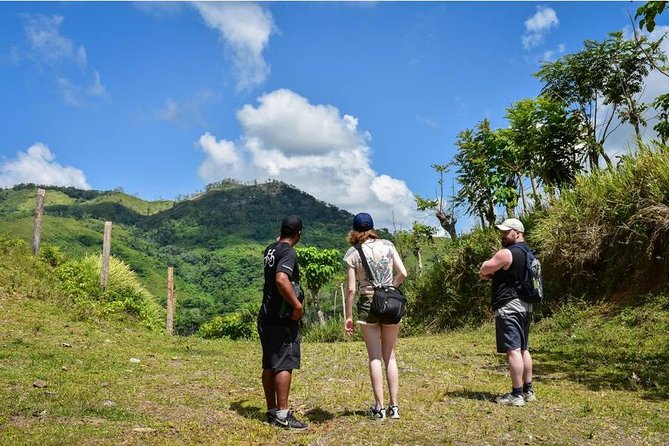
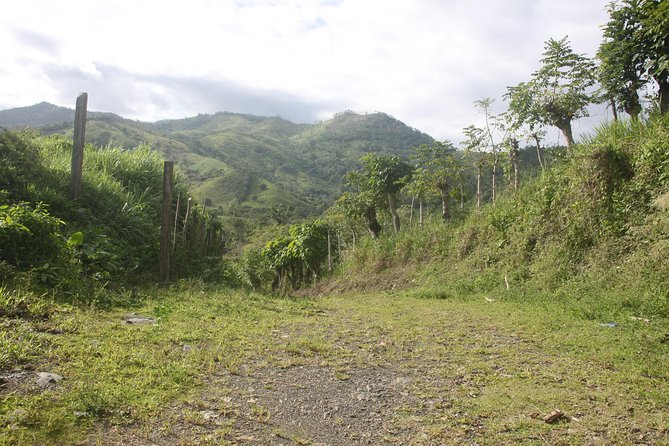
The core of the experience is the hike through tropical countryside from Vista Alegre toward Anamuya. The route crosses areas with trees, moderate slopes, and small riachuelos. This is not a groomed city path; it’s mountain trail.
Plan for a workout. Even though some descriptions frame it as moderate, several people point out that a big portion feels steep, with elevation changes that can make the trail feel longer than it is. Reviews also mention about a 5 km hike, often taking around two hours on foot when you include breaks.
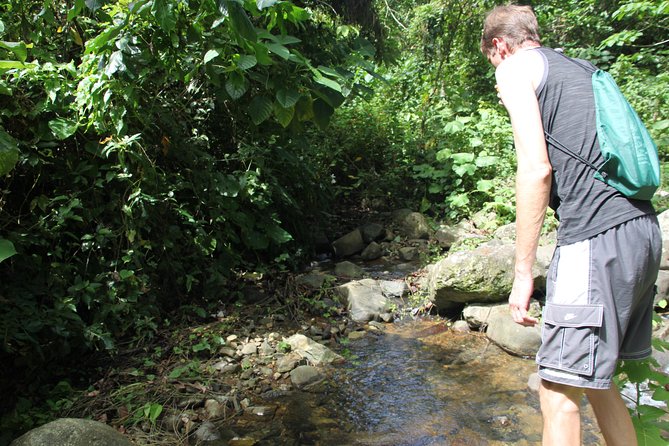
Then there’s the “it’s real life” factor: mud. If it recently rained, expect wet ground, slippery patches, and muddy sections. There can be small water crossings too, which may involve stepping over or carefully navigating shallow spots rather than hopping across like a theme park.
This is where your gear choice matters. Hiking poles are included, and they genuinely help on steep uphills and controlled downhills. If you’ve got a knee that complains on descents, poles can be the difference between “fun day” and “why did I do this.”
The views, wildlife spotting, and why the guide makes it click
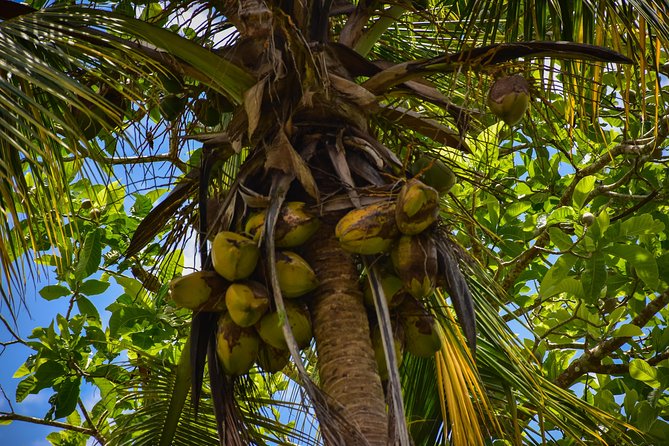
A good hike is partly the trail. A great hike is what you notice because someone points it out.
That’s where the guide role really shows up. Guides such as Wilkin (and sometimes other team members like Jose) are praised for spotting wildlife and explaining local flora and animal life in a way that keeps you engaged. People talk about questions being welcomed and answered, not brushed off. You’ll get guidance on what to look for—trees and plants, birds, and small critters you might otherwise miss.
There’s also the ecosystem and geology angle. You’ll hear commentary about the island’s environment as you walk, not in a classroom way, but tied to what’s around you. That’s why the tour can feel educational without becoming a lecture.
And yes, the views are part of the payoff. Multiple reviews describe gorgeous scenery and a “this is Punta Cana?” feeling when the mountain scenery opens up. Even when the trail is wet and tiring, the reward shows up in the form of tropical mountain panoramas.
Stops that keep you going: fruit, soda, water, and coffee/tea
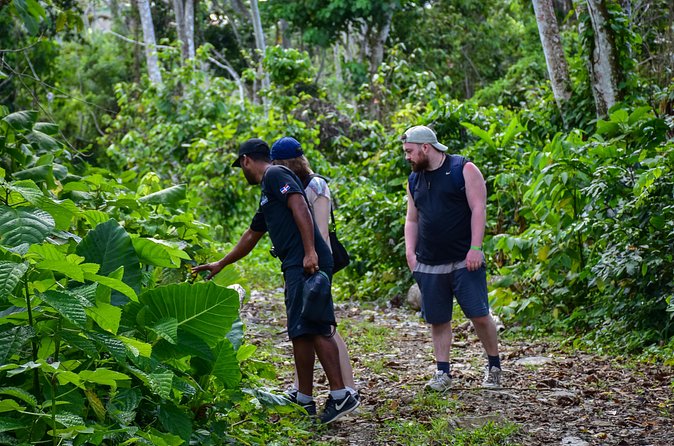
Half-day tours can run on vibes and luck. This one builds in steady energy so you don’t blow up halfway through.
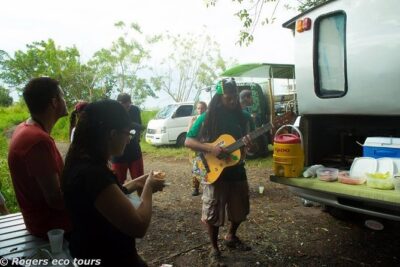
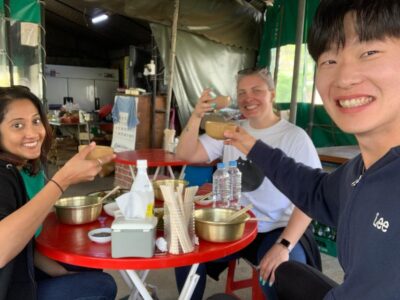
You’re provided fruits, bottled water, and soda. That’s a big deal on a hike where the sun and humidity can sneak up fast. You’ll also get coffee and/or tea, which turns the finish into more than just “we’re done.” People describe the coffee and chocolate stop as a highlight, which makes sense: it’s a satisfying way to end an active morning or afternoon.
Photo stops and re-energize breaks are woven into the hike. They’re not just for cameras; they help you recover and keep your pace steady when the trail tilts.
One small reality check: there are no meals included. That’s fine for many hikers because snacks and drinks are part of the experience, but if you’re someone who needs a full meal to function, eat before you go.
The farm and plantation stop: coffee, chocolate, and local life
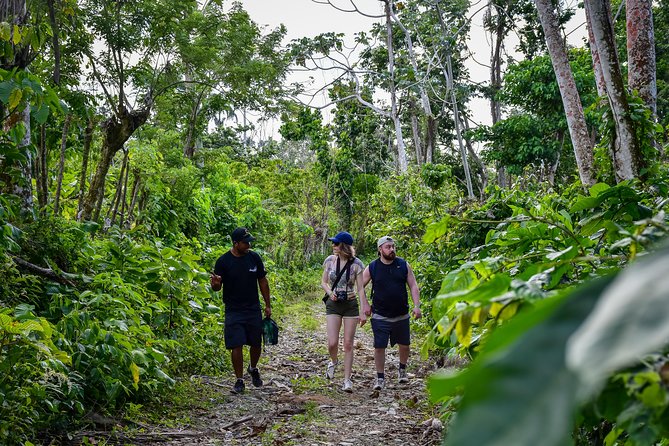
A big part of this tour is the shift from mountain trail into everyday countryside. After hiking, you’ll visit a small rancho/plantation setting where you learn about local produce and how coffee and chocolate are made.
The value here is hands-on context. You’re not just buying a souvenir. You’re seeing a process tied to the region. Reviews specifically call out that this stop is interesting and that chocolate is delicious, plus coffee samples are a welcome bonus after sweaty hiking.
There’s also a community-life feel. People mention seeing farms and local farm life during the walk and then continuing that theme at the stop. That helps the day feel grounded—less like you’re in a staged attraction and more like you’re passing through a working part of the Dominican Republic.
One note: alcoholic drinks are listed as not included. Still, one review mentions Mama Juana tasting while at the place. If you’re curious, treat it as a possible extra at the ranch rather than a guarantee, and don’t plan your day around it.
What the tour feels like in rain or mud
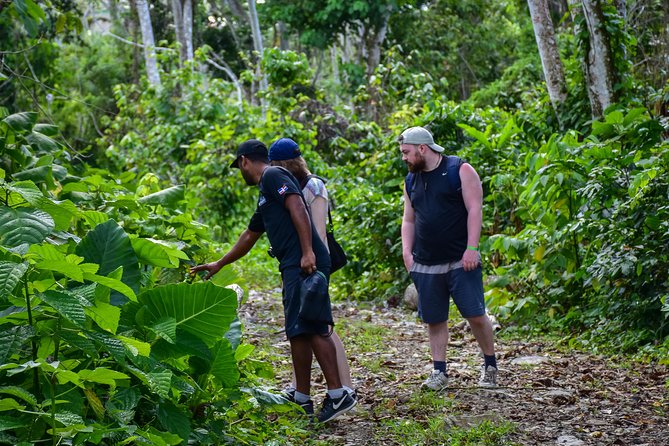
Weather matters here. The tour requires good weather, and if it’s canceled due to poor weather, you’ll be offered a different date or a full refund. Still, even with “good weather,” you can hit patchy conditions—especially because trails in the mountains don’t care about your itinerary.
If it’s rainy or recently wet, expect mud. Reviews repeatedly mention mud and slippery areas, and they recommend shoes you don’t mind getting dirty. Some people also mention rain gear being ready, which suggests the guide team can help you handle light wet conditions without turning the day into misery.
If you hate slippery surfaces, this is the part you need to respect. Slow down on downhills. Use your poles. Take your time over stream crossings. The day is set up for a safe, guided pace, but physics is still physics.
Who this Punta Cana hike is best for (and who should skip it)
This is for people with moderate physical fitness and the willingness to tackle steep trail segments. The hike is about 5 km on paper, but the hills can make it feel more intense. If you’re comfortable walking on uneven ground and you don’t mind a bit of mud, you’ll likely enjoy it a lot.
It’s also a good match if you want nature plus explanations. If your idea of a fun tour is learning what you’re seeing—plants, birds, and local ecosystems—this guide-led format tends to land well.
But it’s not for everyone. The tour rules say it’s not for people with heart problems, not for pregnant women, not for anyone under 12, and not for adults over 65. That’s worth taking seriously. This is not a gentle stroll.
Also, if you’re nursing an injury or you know you struggle with steep descents, consider choosing a different activity or discussing fit with the provider when booking.
Price and value: does $75 make sense?
At $75 per person for a half-day, the price becomes easier to evaluate when you look at what’s included. You’re getting an air-conditioned vehicle, a driver/guide, live commentary, hiking poles, entrance fee, and a set of drinks/snacks (fruit, water, soda, plus coffee and/or tea).
The big value piece is not just the hike. It’s the combination: transportation + guided route + interpretation of nature + a farm stop with coffee/chocolate sampling. If you tried to DIY this, you’d likely pay for transport anyway and then lose the guided explanation and the farm access that rounds out the day.
Is it a bargain? It’s not “cheap,” but it’s priced like an organized outdoor experience that doesn’t cut corners on what you need to enjoy the walk. Given the strong rating and recommendation rate, it looks like the experience is delivering what people came for: a real mountain hike and a more local way to spend time outside the resort.
What to pack so the day doesn’t feel harder than it needs to
You’re going to be on uneven ground, and you may get muddy. Pack like that.
Bring:
- Hiking shoes or sneakers with good grip. Reviews strongly point out mud and wet sections, so traction matters.
- Something you don’t mind getting dirty. This isn’t a crisp-looks-only outing.
- Comfortable socks you won’t regret after a wet trail.
If rain hits:
- Assume the trail could get slick. The guide may have rain gear ready, but you shouldn’t plan on staying completely dry.
Think “safe footing” first. Everything else is secondary.
My take: the smart way to enjoy this hike
Here’s how I’d approach it to make it more fun and less tiring:
1) Start steady, not fast. Hills come early in the “feel” of this trail.
2) Use the poles when it gets steep or muddy.
3) Ask questions. The guide experience is part of the reward, especially for plant and animal spotting.
4) Treat the farm stop like the finish line, not a bonus. It helps your brain shift from effort to reward.
If you go in expecting a gentle path, you’ll be surprised by the steep sections and muddy patches. If you go in expecting a guided workout with nature explanations and a local stop, you’ll probably feel like you got your money’s worth.
Should you book this Punta Cana mountain hiking tour?
Book it if you want a real break from resort life and you’re excited by nature you can actually see and learn about. This tour fits well if you like guided interpretation, don’t mind a muddy trail after rain, and you’re happy with a half-day plan that mixes exercise with coffee/chocolate culture.
Skip it if you need a fully flat, low-effort walk or if the stated health and age limits apply to you. Also skip if you’re not comfortable with wet, uneven ground and small water crossings.
One final decision helper: if you’ve been looking for something in Punta Cana that feels less touristy and more “local countryside,” this is one of the more direct ways to get it—without spending a whole day traveling.
FAQ
How long is the Punta Cana hiking tour?
It lasts about 4 hours total.
Do they pick you up from your resort area?
Yes. Pickup is offered, and the tour uses an air-conditioned vehicle.
Is there a mobile ticket?
Yes. You’ll have a mobile ticket.
How long is the hike on foot?
The hike is described as roughly 5 km, often taking around two hours of walking time, depending on pace and conditions.
What’s included during the hike?
You get hiking poles, fruits, bottled water, coffee and/or tea, and live commentary from the guide/driver team.
Are meals or alcohol included?
No. Meals and alcoholic drinks are not included.
What group size should I expect?
The tour has a maximum of 20 travelers.
What if the weather is bad?
This activity requires good weather. If it’s canceled due to poor weather, you’ll be offered a different date or a full refund.
Who should not join this tour?
It’s not for people with heart problems, pregnant women, children under 12, or adults over 65. It also calls for moderate physical fitness.