REVIEW · RICHMOND
Hiking the James River in Richmond, VA
Book on Viator →Operated by Discover Richmond Tours · Bookable on Viator
Richmond’s river trails feel like a local secret. This guided hike through the James River Park System turns an easy scenic walk into a history-and-nature outing, with a small group vibe and real stories you can use to understand what you’re seeing. I especially like the max-12 group size (so you’re not lost in the crowd) and the way the guide connects the scenery to how Richmond grew. One thing to plan for: the meeting-area address can be a little confusing for rideshare drivers, so I recommend you arrive early and use the provided pin if you have it.
You’ll do an easy-to-moderate 3–4 mile route (about 1.5–2 hours) with mostly flat dirt and paved paths, plus a few stairs and a rocky stretch. You also cross the river by pedestrian bridge and explore spots like Belle Isle and the Flood Wall Trail, with stops that mix wildlife, industrial remnants, and Civil War era ruins.
In This Review
- Key highlights you’ll actually feel on the hike
- Why the James River Park System hike beats typical sightseeing
- Small-group hiking (max 12): your experience doesn’t get swallowed
- Terrain and pace: what easy-moderate really means for your legs
- Stop 1: Belle Isle—where river views and park calm meet
- Flood Wall Trail: the walk turns into a lesson you can see
- The Manchester side and the Pipeline Trail stretch between stops
- Wildlife spotting: when the best moments are unplanned
- Price and value: what $38 buys you in real terms
- Meeting point and timing: simple, but arrive smart
- What to wear and pack so you enjoy every mile
- Who should book this, and who might want a different plan
- Should you book the James River hike? My take
- FAQ
- FAQ
- How long is the James River hike?
- What difficulty level is the hike?
- Where do we visit during the hike?
- Where is the meeting point?
- What’s included in the tour price?
- What if weather is bad or plans change?
Key highlights you’ll actually feel on the hike

- Small group, real attention: no more than 12 people, which helps the guide keep your pace comfortable and your questions answered
- Cross-river views on a pedestrian bridge: a natural way to “see Richmond from both sides” while you walk
- Belle Isle for classic river scenery: open views, park paths, and a calm island feel
- Flood Wall Trail for riverfront structure and story: you’ll walk near the kind of engineering that shaped the waterfront
- Pipeline Trail and industrial/Civil War remnants: history shows up as physical clues along the route
- Guides like Lori and Erin bring the day to life: you’ll hear local history woven into the walk, and you may even get group photo help and mini Polaroids if your guide is Lori
Why the James River Park System hike beats typical sightseeing
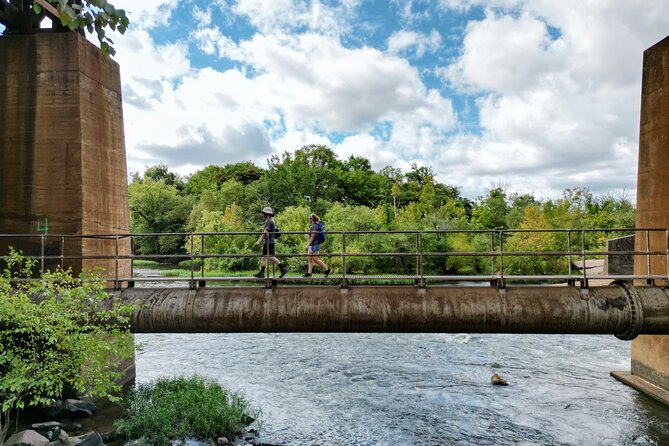
A lot of Richmond “history” is built into museums or plaques. This is different. You’re moving through the city’s outdoors, along the river system that locals use for walks, running, and quiet time, while your guide points out what you’re looking at and why it matters.
I like that this feels like a day out with a knowledgeable local without turning into a lecture. You’ll see the river, the parks, and the built structures close-up, and the guide’s pace keeps it fun. It also works as exercise that doesn’t feel like punishment: mostly flat paths with occasional stairs and some uneven ground so your body wakes up, but you’re not trudging for hours.
The other win is variety. One minute you’re thinking about wildlife and river views, the next you’re noticing ruins and industrial leftovers—things you might otherwise walk right past. That mix is what makes a river hike so satisfying: the scenery changes, and your understanding changes with it.
Small-group hiking (max 12): your experience doesn’t get swallowed

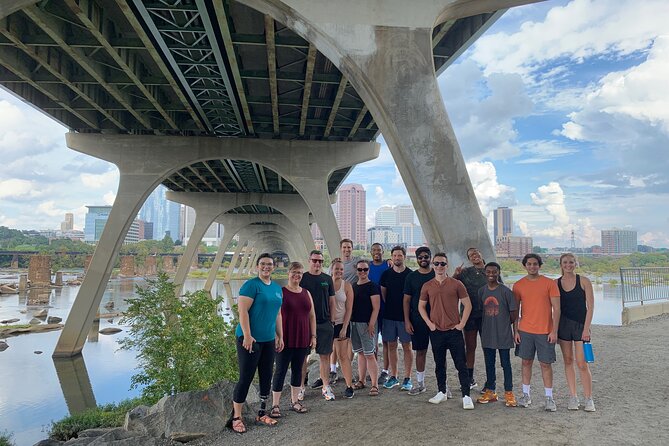
The hike caps at 12 travelers, and you feel it from the first stretch. In a bigger group, you tend to follow the guide’s back and hope you catch the story later. Here, the guide can slow down when the view matters, and they can adapt to the group’s comfort level.
That small size also makes photo breaks easier. In past hikes, guides such as Lori have been known to take pictures of the group at scenic spots and even hand out mini Polaroids. Not every guide will do it the same way, but the overall vibe is clear: this isn’t “walk fast, goodbye.”
One practical upside: because you’re not crammed in, you’ll likely notice details—path edges, river changes, and the textures of older structures—without constantly getting bumped. That’s a big part of why this feels like a small local outing rather than a bus tour with shoes on.
Terrain and pace: what easy-moderate really means for your legs
This is labeled easy-to-moderate and runs about 1.5–2 hours for the 3–4 mile route. You’ll walk on a mix of dirt paths and paved sections, with a few stair cases and one stretch of rocky terrain.
Here’s how I’d translate that into “will it be okay for me?” If you can handle a couple flights of stairs without needing long rests, you’ll probably be fine. The rocky part is the only thing that might surprise you—bring shoes with grip, and you’ll be happier.
Also, the route is mostly flat, which makes it a great option if you want a morning hike that’s still a social experience. You can talk without wheezing, and you can actually enjoy the river instead of focusing only on your footing.
Bring your hiking shoes. The route sounds straightforward on paper, but shoes matter on a mix of gravel, pavement, and occasional uneven ground.
Stop 1: Belle Isle—where river views and park calm meet

Belle Isle is a great first target because it sets the tone immediately. You’re stepping into a part of the James River that feels like a blend of open views and park paths, the kind of place where the city’s waterfront energy quiets down fast.
On a guided hike, Belle Isle isn’t just “scenery.” It’s also a place to notice how the river bends through the city, how the paths are shaped for walking, and how people use these islands for recreation. The guide’s story adds context so you don’t just see an island—you understand why it’s there and what role it has played around the water.
What I like about starting here: you get a high-reward visual payoff early, before your legs feel tired. That helps the rest of the route feel less like “work” and more like a steady walk with interesting interruptions.
Potential drawback: if you’re expecting a long, intense climb, Belle Isle won’t be that. This hike is designed to be accessible and mostly flat, so it’s more about the walk and the viewpoints than steep effort.
Flood Wall Trail: the walk turns into a lesson you can see
Your second stop is James River Park, Flood Wall Trail. This is where the hike’s “history meets engineering” angle becomes real.
Flood walls and riverfront infrastructure are designed to manage the water—protecting areas from flooding and shaping how the city developed along the river. Walking alongside a trail like this makes it easier to understand why the riverfront looks the way it does. You can see the physical pieces, and the guide connects them to past uses of the waterfront.
This section also supports the hike’s bigger theme: how Richmond used the river, not just for views, but for industry, movement, and sometimes defense. You’ll hear about Civil War and industrial ruins, and you’ll likely spot those clues in what’s left behind—structures, fragments, and traces that don’t read as “history” unless someone points them out.
One tip for enjoying this stop: pause when the guide asks you to look. These kinds of ruins and remnants can be subtle from far away. Up close, they make more sense, and the story lands better.
The Manchester side and the Pipeline Trail stretch between stops

Even though the itinerary calls out two main stops, the route includes several major sights along the way. One of the big ones is the Manchester Climbing Wall, which gives you a modern contrast to the older parts of the river story. It’s a reminder that the river isn’t just past tense—it’s active, used, and full of recreation.
You’ll also cover the Pipeline Trail, which is a key part of how the James River Park System connects spots along the waterfront. This stretch is usually what makes the hike feel continuous and satisfying. Instead of walking from one destination to another like a scavenger hunt, you get a trail experience: you walk, you look, you move with the river.
Why this matters for you: pipeline-style paths often offer long sightlines, and that’s where the river views really work. If you want those “I can see a lot at once” moments, this is where you’ll get them.
Wildlife spotting: when the best moments are unplanned
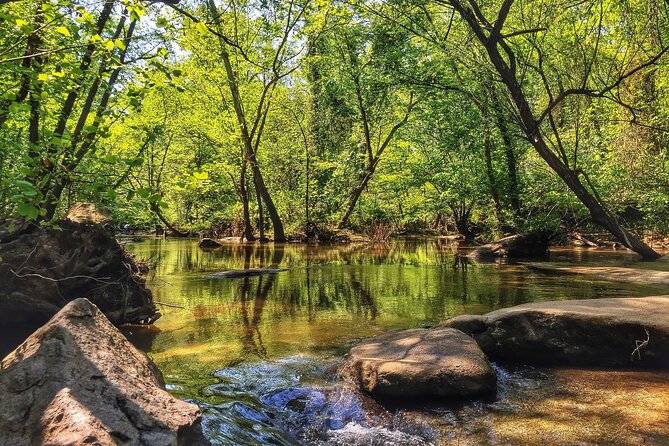
The route includes time to watch for park wildlife. You don’t need to go full “nature detective” to enjoy it, but keep your eyes open near shaded edges, along quieter stretches, and anywhere the trail bends toward the water.
Wildlife on urban river trails can be hit-or-miss depending on season and time of day, but the fact that your hike is framed around the park system makes it more enjoyable. You’ll likely notice more than you would on your own because the guide keeps you aware of what to look for.
This is also one of the reasons I’d call this a good “first hike in Richmond” choice. You get nature moments without driving far out of the city.
Price and value: what $38 buys you in real terms
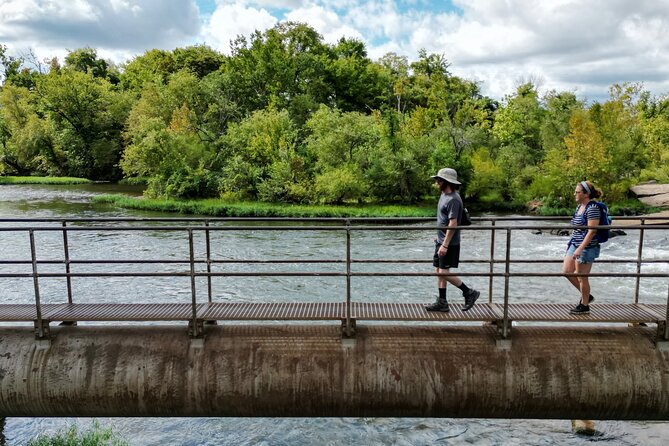
The price is $38.00 per person for about 2 hours. On its face, that sounds like “just a hike.” But the value is in what’s added: a professional local guide and an organized route that connects the dots between river scenery and what Richmond used to do along the water.
Here’s the practical math I use for value like this:
- If you’d otherwise take a self-guided walk, you’d save the guide fee—but you’d miss most of the “why.”
- If you’d otherwise hire a private guide, you’d pay far more than $38 and lose the friendly group atmosphere.
- With a max-12 group, the guide isn’t spread across a huge crowd, so the stories feel attached to the places you’re standing in.
Also, the group discount and the phone-friendly mobile ticket help keep the whole thing smooth. Even if you don’t care about discounts, the logistics matter: you show up, walk, learn, and head back without juggling a bunch of planning.
Is it worth it if you’re a total beginner? In my view, yes—because the guide handles pacing and route choices. It’s much easier to enjoy the river when you don’t have to figure out which turn makes the history interesting.
Meeting point and timing: simple, but arrive smart
The meeting point is 500 W 7th St, Richmond, VA 23224, and the hike ends back at the meeting point. That round-trip setup is handy if you want the rest of your day free.
One real-world caution: the address can be confusing for rideshare drivers. If you’re relying on Uber or Lyft, give yourself buffer time. If you’re early, you can confirm the exact spot and avoid the “where is this parking lot?” stress.
The tour is near public transportation, so if you’d rather not drive, it’s doable. Still, I’d plan to arrive on time rather than trying to catch it last minute.
What to wear and pack so you enjoy every mile
This is a hike, not a museum stroll. Even though it’s mostly flat, you’ll deal with stairs, dirt, pavement, and one rocky stretch.
Bring:
- Hiking shoes with grip
- Comfortable layers (weather can shift along river corridors)
- A bottle of water (you’re walking 3–4 miles, and it’s a social outing too)
If you’re prone to sore ankles on uneven ground, tighten your shoe fit before you start. Small adjustments make the rocky section less annoying.
Who should book this, and who might want a different plan
This hike is a great fit if you want:
- A guided route with local context while you walk
- A moderate distance that still leaves time in your day
- A small-group experience where you can actually hear what’s going on
It’s also friendly for people with moderate physical fitness since the route is mostly flat with only a few stairs and a rocky patch.
I’d consider skipping or choosing a different option if you:
- Need a fully flat, no-stairs route
- Have trouble with rocky footing
- Expect a long endurance hike (this one is designed to be approachable)
Should you book the James River hike? My take
If your goal is to get outside, move your body a bit, and come away understanding Richmond’s riverfront better, this is a strong choice. The small group size helps the experience feel personal, and the combination of Belle Isle, Flood Wall Trail, and places along the Manchester and Pipeline Trail area gives you variety without exhausting you.
The only reason I’d hesitate is if you’re very sensitive to uneven ground or if you rely on rideshare without giving extra time—because the meeting-area directions can be a little tricky.
Overall, I’d book it if you want an easy-to-moderate Richmond morning that mixes river scenery, wildlife, and the kind of history you can actually see with your own eyes.
FAQ
FAQ
How long is the James River hike?
It takes about 1.5 to 2 hours and covers roughly 3 to 4 miles.
What difficulty level is the hike?
It’s described as easy to moderate. The route is mostly flat, with a few staircases and one stretch of rocky terrain.
Where do we visit during the hike?
You’ll explore Belle Isle and the James River Park Flood Wall Trail, plus you’ll also see sights along the way such as the Manchester Climbing Wall and the Pipeline Trail, along with park wildlife and Civil War/industrial ruins.
Where is the meeting point?
You’ll meet at 500 W 7th St, Richmond, VA 23224, and the hike ends back at the meeting point.
What’s included in the tour price?
The price includes a professional local guide.
What if weather is bad or plans change?
There is free cancellation, and it’s best to cancel at least 24 hours before the start time for a full refund. The experience requires good weather; if it’s canceled due to poor weather, you’ll be offered a different date or a full refund.