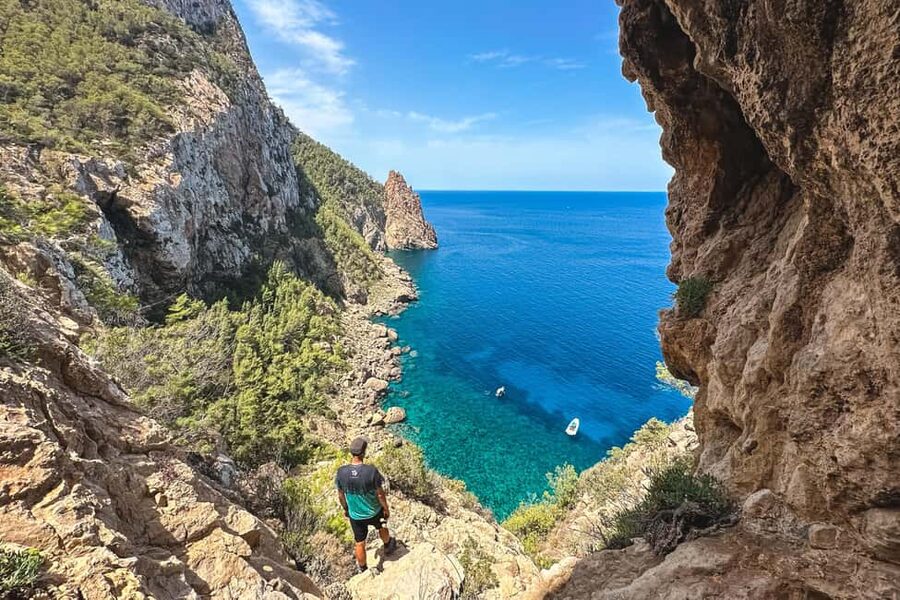
Winter can make Ibiza feel quiet, raw, and wide open, and this coastal hike leans hard into that mood. You’ll trade buses and beach clubs for winding shore paths, tough-to-reach viewpoints, and small pockets of water where the sea looks almost glassy.
What I like most is the private, local-guided access—places you’d struggle to find or reach on your own. I also like that the guide focuses on practical safety and skills, not just scenery, plus you get help using a professional camera for better shots.
One thing to consider: this is still a hike. If you don’t have at least some comfort on uneven ground (and you can follow rules like no sandals), you may find it more demanding than a casual walk.
In This Review
- Key highlights at a glance
- Why winter Ibiza feels different on this kind of hike
- The 4-hour flow: Eivissa start, coastal time, then drop-off
- Guided hiking that’s about more than just walking
- How the camera coaching fits the coastline
- Secret coves and snorkeling without the summer chaos
- Meet the guide style: adaptation and local knowledge
- What makes the route choices feel worth it
- Winter-ready packing list (and non-negotiables)
- Price and value: what $269 gets you for a private group
- Who this hike is best for (and who should skip it)
- Practical FAQ (the stuff that matters before you go)
- FAQ
- How long is the Hidden Ibiza winter coastal hike?
- Where does the experience start and end?
- Is the tour private?
- What languages are the guides?
- What’s included in the price?
- What should I bring for snorkeling and hiking?
- Are sandals or bare feet allowed?
- Is food included?
- Should you book Hidden Ibiza winter coastal hikes?
Key highlights at a glance
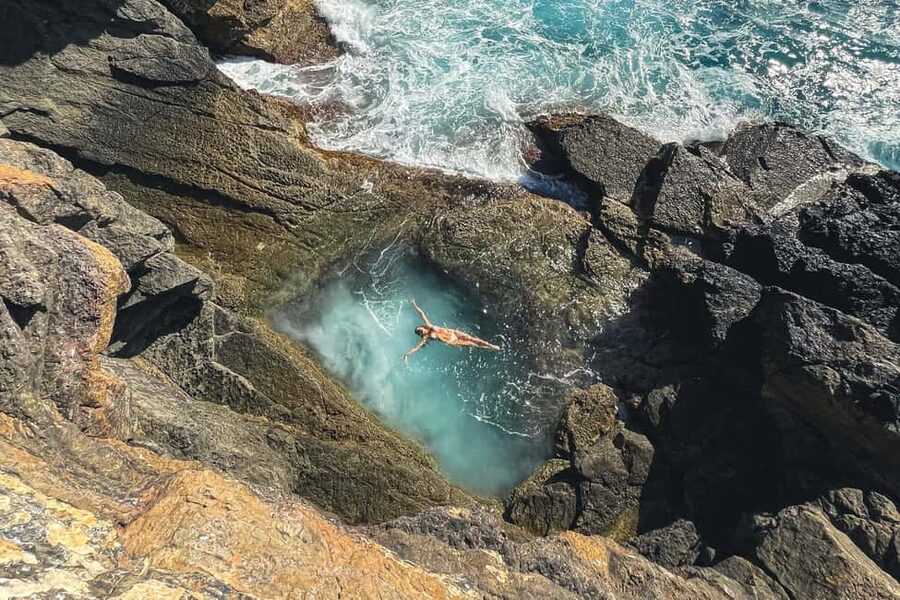
- Local guides lead the way to spots that are hard to reach without help
- Safety coaching on the trail so you know how to move smartly in winter conditions
- Photo support for pro cameras, aimed at getting better results on the coast
- Snorkeling in clear Mediterranean water when sea conditions allow
- Private-group pace, tailored to weather, sea, and the group level
- Media shared after the hike so you leave with usable photos, not just memories
Why winter Ibiza feels different on this kind of hike
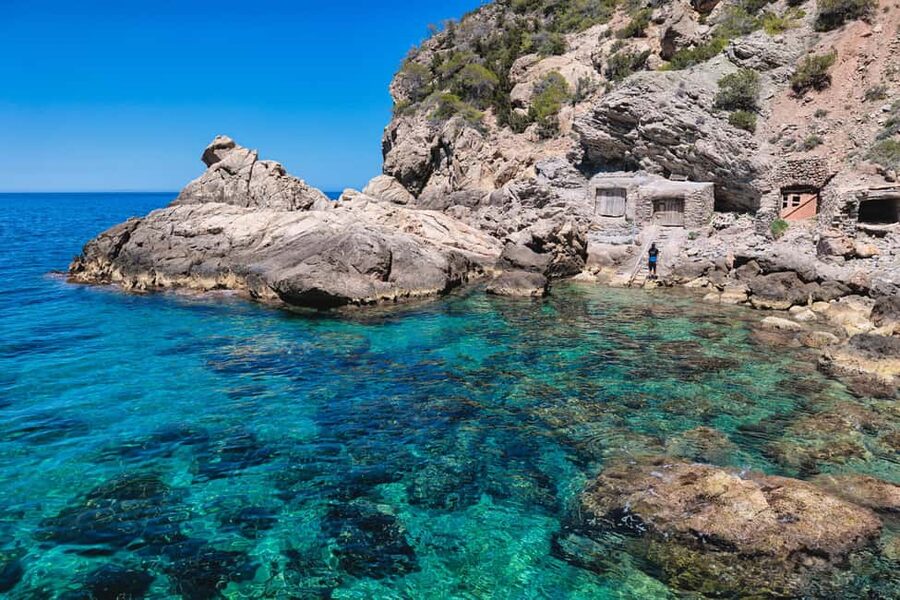
Most people plan Ibiza around peak season. In October through March, the island changes its rhythm. Paths that feel too crowded in summer become calm enough to hear wind and waves, and the coastline is often more dramatic because the light can be low and the sea can look sharper.
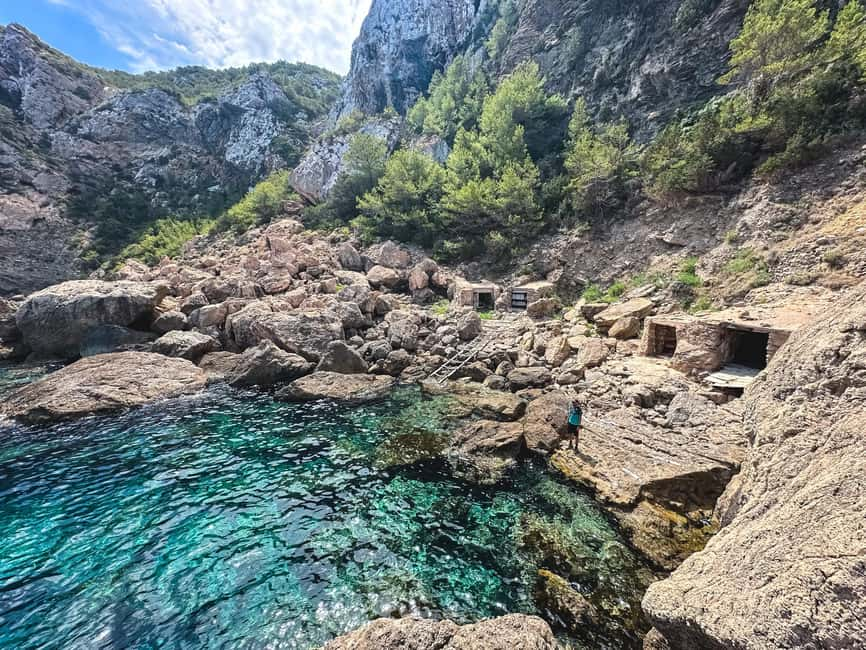
That’s the core idea here: you’re not chasing nightlife. You’re exploring the island’s more secret, rugged side—coastal hikes that can include scrambling sections, hidden beaches/coves, and water you can actually see into. The tone is serious nature time with just enough adventure to keep it fun.
And because the group is private, you’re not stuck with someone else’s pace. If your group is more confident, the guide can choose a more active route. If you need a slower, steadier day, the hike can shift.
The 4-hour flow: Eivissa start, coastal time, then drop-off
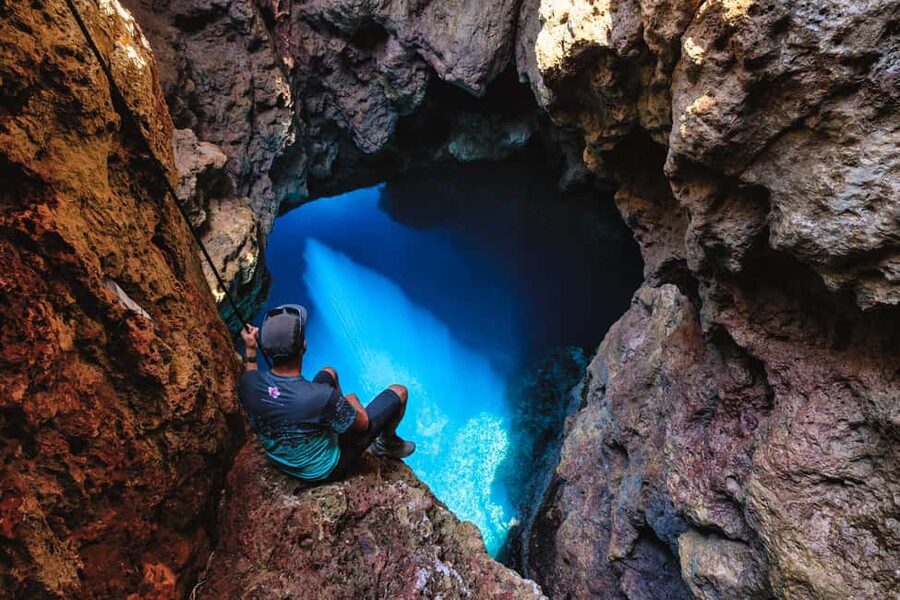
Your experience runs about 4 hours end-to-end, starting from Eivissa. You’ll meet for the route (the exact meeting point is shared after booking), and then the guide takes you into the coastal area chosen for the day.
From there, the main block is a 3-hour guided hike with time built in for stops—viewpoints, photo moments, and (when conditions allow) getting into the water for snorkeling. At the end, the plan is to return to Eivissa, and you’ll get drop-off either at your hotel or another agreed location.
Two practical things that make this timeline work:
- The winter season limits daylight and changes sea conditions fast, so a guided schedule keeps you from losing time.
- The guide can tailor the route based on weather and the sea, which matters if you want snorkeling to be safe and worth it.
Guided hiking that’s about more than just walking
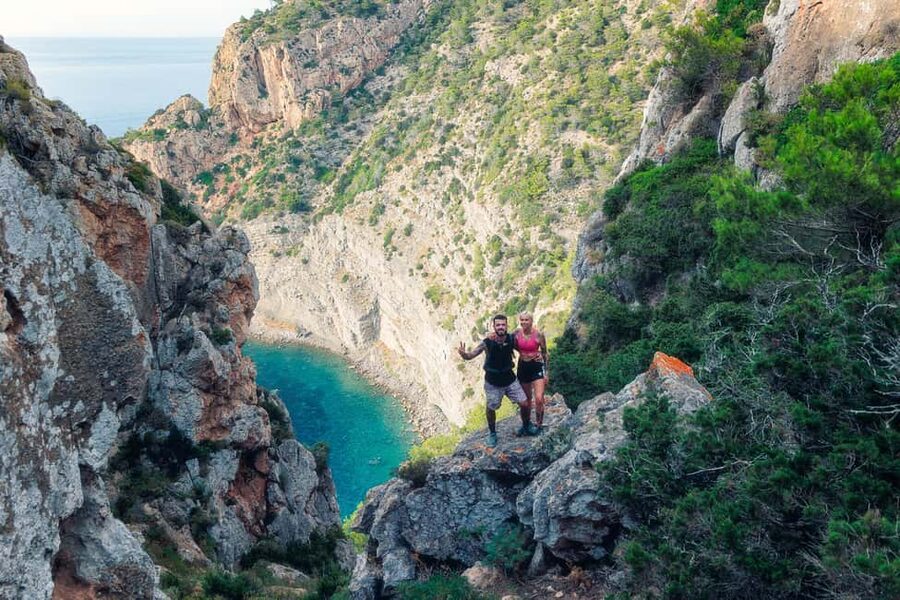
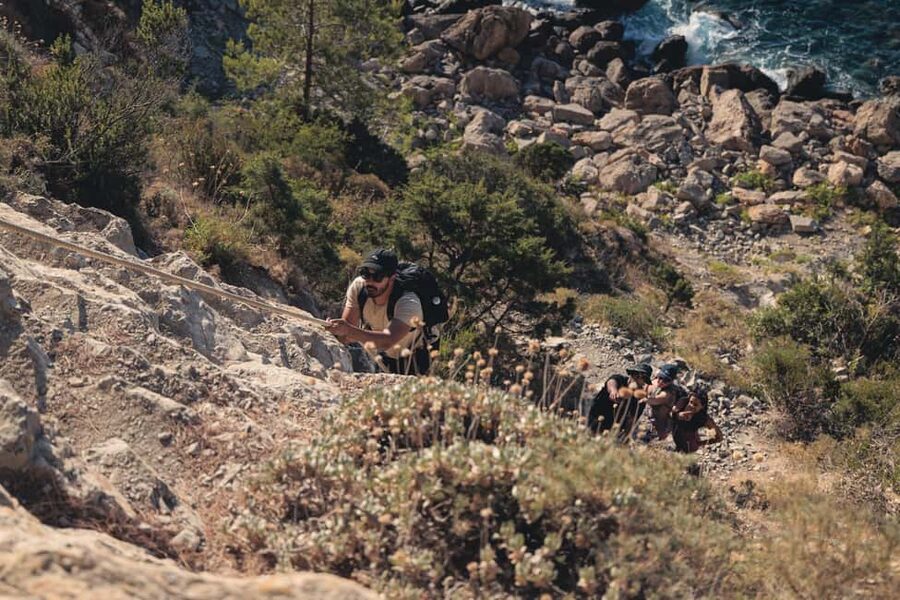
This isn’t presented as a “trail tour where you just follow along.” The guide’s role is partly teaching—how to hike with safety, how to handle steps/uneven ground, and how to move efficiently along cliffy or rocky coastline.
In plain terms, you should expect a mix of:
- Walking on coastal terrain
- Standing and moving for views and photos
- Possible scrambling and swim time depending on the route and conditions
Some of the guides’ fans specifically call out an adventure feel—walking, scrambling, swimming, and even cliff-jump-style moments when the guide decides conditions are right. Don’t assume it’s guaranteed every day, but it’s a clue that this can go beyond a flat, stroll-and-smile outing.
What that means for you: if you bring the right mindset—comfortable with some rough terrain and willing to listen—you’ll get a day that feels like real exploration rather than a checklist.
How the camera coaching fits the coastline
If you care about photos, this is one of the smartest parts of the experience. You’ll get guidance on how to use your professional camera, with an emphasis on getting shots that match the coast—lighting, angles, and how to frame the shoreline and coves.
Why that matters: winter light behaves differently than summer beach light. Low sun angles and shifting cloud cover can make photos look better quickly, but only if you know how to react. A guide who understands where to stand and when to shoot saves you from spending the day experimenting blindly.
You’ll also get help finding spots for photography along the route—and at the end, you’ll receive all the media content from the experience. That’s a big deal if you don’t want to rely only on your own catch. It can also reduce the pressure to stop every 30 seconds and think through settings.
If you want a relaxing photo day, bring your camera gear with confidence—and remember that you still need to hike safely while you shoot.
Secret coves and snorkeling without the summer chaos
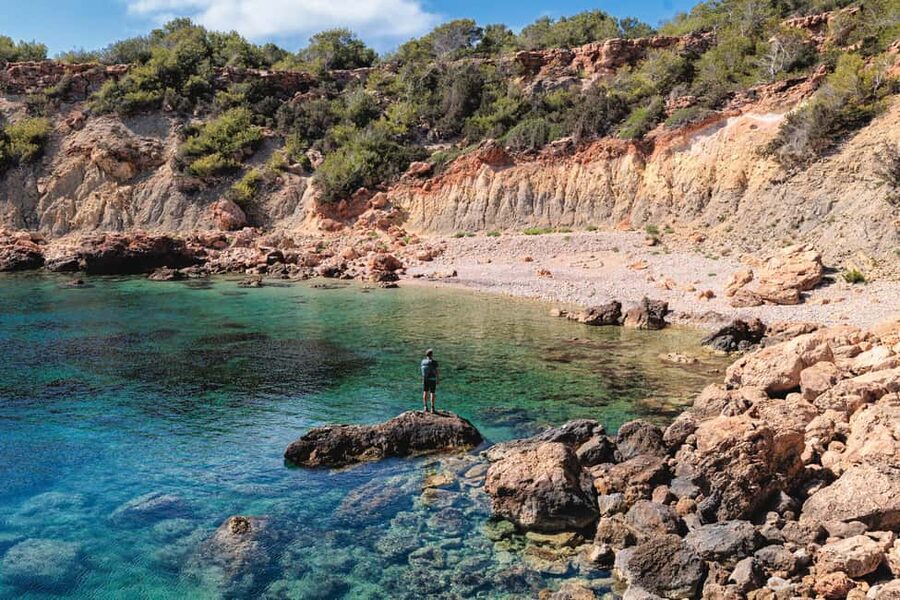
The centerpiece for many people is the water time: snorkeling in crystal-clear Mediterranean Sea conditions. In winter, water can still be clear, and if the sea state is calm, the visibility can be excellent.
The key is that the guide tailors the experience based on sea conditions. That’s not just “for safety”—it’s also what decides whether snorkeling feels fun and easy or uncomfortable and not worth it.
What to expect when snorkeling is on:
- You’ll get directed where to enter (and how to do it safely)
- You’ll have time in the water while the guide manages the group
- The goal is seeing the coastline underwater and enjoying the clarity, not just a quick dip
Also, the rules matter. No bare feet, and no sandals or flip-flops. You’re expected to wear hiking shoes, plus bring a towel, because you’re leaving the water and drying off on the move.
Meet the guide style: adaptation and local knowledge
What repeatedly comes through in feedback is how much the guide personalizes the day. People describe guides as warm and highly skilled, with intimate knowledge of the area and the ability to adapt the hike to different needs.
One name shows up often: Donovan. In the feedback you shared, Donovan is praised for showing expertise and passion for the outdoors, leading to secret spots, and matching the hike to what the group wanted and what the conditions allowed.
That “adaptation” is a big value factor. Coastal areas can change quickly—wind, waves, and how tricky the ground feels. A guide who adjusts the route makes the difference between an experience that feels effortless and one that feels frustrating.
For you, the practical outcome is simple: you’ll spend less time guessing and more time moving through the right spots at the right moment.
What makes the route choices feel worth it
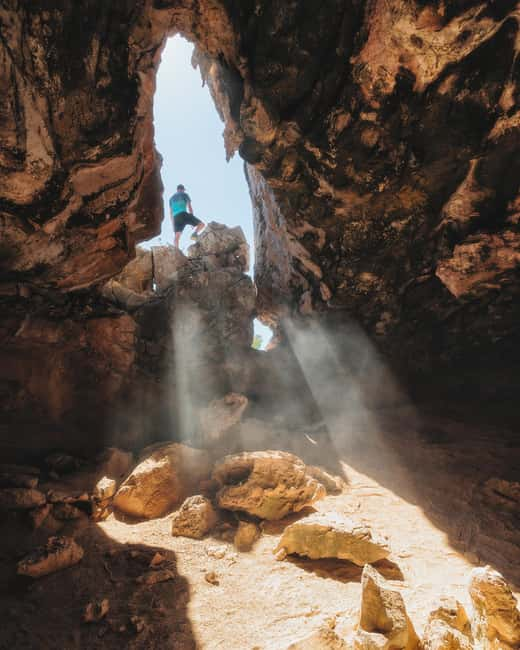
You don’t just get a random walk. The operator says they tailor the experience using factors like:
- group level
- weather
- sea conditions
- time and other practical realities
That flexibility is exactly what you want in winter, when the coastline can be calm one day and a bit more challenging the next. It also explains why the hike can suit different types of travelers: confident hikers can get a more active day, while others can keep it safer and steadier.
And because you’re aiming for quieter coastal highlights—hidden beaches, coves, and hard-to-reach areas—local routing matters. A guided approach turns “we thought it was over there” into something real.
Winter-ready packing list (and non-negotiables)
If you’ve done beach hikes before, this one will still feel strict in a good way. The key is comfort and safety.
Bring:
- Hiking shoes (required)
- Hat
- Towel
- Sunscreen
Also expect that the day can include water time, so plan like you’re doing both hiking and snorkeling.
Not allowed:
- Sandals or flip-flops
- Bare feet
- Alcohol and drugs
- Making noise
- Party groups
Why these rules help you: they keep the group safe and keep the experience focused. In quiet winter places, loud behavior also changes the vibe fast.
Price and value: what $269 gets you for a private group
The price is listed at $269 per group, up to 1 person—so this is designed for a private setup rather than shared-group touring.
Is it “cheap”? No. But value isn’t only about the sticker price. For this experience, the value case is:
- You’re paying for a local guide who picks routes based on weather and sea conditions.
- You get instruction: hiking safety and camera use.
- You get snorkeling time (when conditions allow).
- You receive media content after the hike instead of hoping you captured everything.
For a solo traveler, that private structure can be worth it because you’re not competing for attention. If you’re the kind of traveler who wants quiet, small, and skill-based experiences rather than big-group tours, this pricing fits that style.
If you’re purely trying to tick off a viewpoint on the cheapest budget possible, then you may find alternatives. But if you care about access, coaching, and water time, this price can feel fair.
Who this hike is best for (and who should skip it)
This suits you if you want:
- A quieter winter Ibiza experience (October to March)
- Coastal walking with real exploration and photo help
- Snorkeling in clear water when conditions work
- A private guide who can adjust the day
It may not be your best match if:
- You’re new to hiking or not comfortable on uneven coastal terrain
- You expect sandals, flip-flops, and a casual beach-walk vibe
- You’re looking for food included or a long restaurant-style break
The operator also notes that hiking requires a minimum of experience. So be honest about your comfort level with outdoor terrain and following safety guidance.
Practical FAQ (the stuff that matters before you go)
FAQ
How long is the Hidden Ibiza winter coastal hike?
It lasts about 4 hours total.
Where does the experience start and end?
It starts in Eivissa and returns back to Eivissa.
Is the tour private?
Yes, it’s a private group experience.
What languages are the guides?
Guides operate in English or Spanish.
What’s included in the price?
You get guidance by local guides and insurance covering the activities.
What should I bring for snorkeling and hiking?
Bring a hat, towel, hiking shoes, and sunscreen.
Are sandals or bare feet allowed?
No—sandals or flip-flops aren’t allowed, and bare feet are not allowed.
Is food included?
No. Food and drinks aren’t included.
Should you book Hidden Ibiza winter coastal hikes?
If you want Ibiza in a calmer, more rugged mood—and you like the idea of a guide handling the hard parts (route choice, safety, and timing)—I’d seriously consider booking. This is especially compelling if you care about photos and want help using a professional camera, plus you want snorkeling that actually depends on sea conditions rather than random guesswork.
If you’re not comfortable hiking on rough ground, or you’re planning to keep it fully casual with sandals, then you’ll likely be happier with an easier, more urban-style outing. But for hikers who enjoy secret coves, quiet scenery, and real coaching, this has the right ingredients for a memorable winter day in Ibiza.