REVIEW · BERCHTESGADEN
Eagle’s Nest Hiking Tour
Book on Viator →Operated by Monkey Business Tours · Bookable on Viator
A walk up history beats a quick bus ride. This Eagle’s Nest hike pairs WWII storytelling at Obersalzberg with the Kehlsteinhaus summit views, all in a small group. The guide’s pacing and explanations are the main reason this feels like more than sightseeing.
What I like most is that you don’t just show up at the Eagle’s Nest postcard. You walk past the Nazi mountain-house ruins and hidden remnants around Obersalzberg, where the high-command lived and planned. One consideration: this is an uphill hike with real elevation, so bring water, a small snack, and plan to earn the views.
In This Review
- Key things to know before you go
- Why this Eagle’s Nest hike feels different than the bus
- Starting out in Berchtesgaden: meeting point and the “flow” of the day
- Stop 1: Kehlsteinhaus at the summit and what you’re actually buying
- A small practical tip that matters up here
- Stop 2: Obersalzberg hike—ruins, bunkers, and the WWII layer most people skip
- What to watch for on the trail here
- The hike itself: pacing, trail conditions, and how to set yourself up for success
- Trail and footing
- Pace: you’re not meant to suffer
- Trekking poles: worth considering
- What about snacks and water?
- How the small-group size changes the experience
- Price and value: is $240.66 a fair deal?
- Who should book this tour (and who should think twice)
- Should you book the Eagle’s Nest Hiking Tour?
- FAQ
- How long is the Eagle’s Nest Hiking Tour?
- Where does the tour start and end?
- Is the tour offered in English?
- What is included in the price?
- Do I need to bring lunch?
- Is the bus ride down included?
- How many people are in the group?
- What fitness level do I need?
- Are trekking poles available?
- What if the weather is poor?
- Is the tour ticket mobile?
Key things to know before you go
- Max 8 people for a more personal rhythm on the trail
- Obersalzberg sites many visitors miss, including WWII ruins and artifacts on the mountain
- Kehlsteinhaus entrance included, plus time at the top after you arrive early
- English tour with strong narration (guides like Claudio and Pauline adjust pacing)
- It’s uphill the whole way up: plan for 2.5 to 3 hours of climbing on maintained paths
Why this Eagle’s Nest hike feels different than the bus
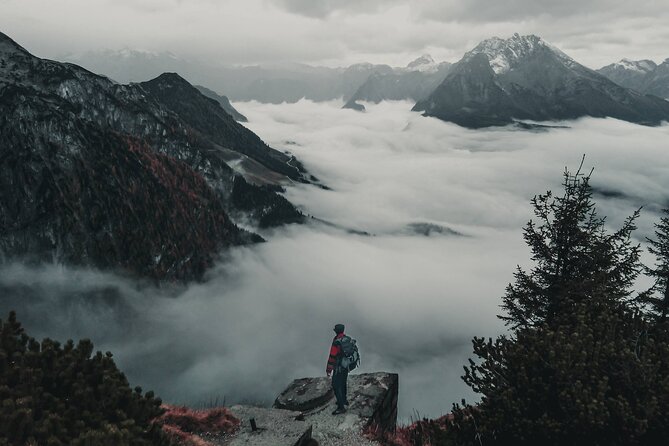
If you only take the bus, you get the destination. If you hike, you get the story with terrain attached. That’s the magic of this tour: you climb through the same mountain surroundings tied to the Obersalzberg complex, so the place makes sense as you walk it.
This is especially true because the guide doesn’t just point out buildings. You get context about how the area was transformed into a Nazi stronghold and how decisions made there affected life for millions. The Eagle’s Nest itself matters, but it lands harder when you’ve already spent time around the remnants below.
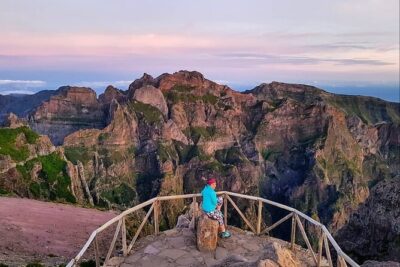
Another smart detail: this itinerary is designed so you typically reach the summit before many tour-bus groups. In practical terms, that means less crowd crush when you go up and down via the elevator access, and you have a calmer window to take in the views.
Starting out in Berchtesgaden: meeting point and the “flow” of the day
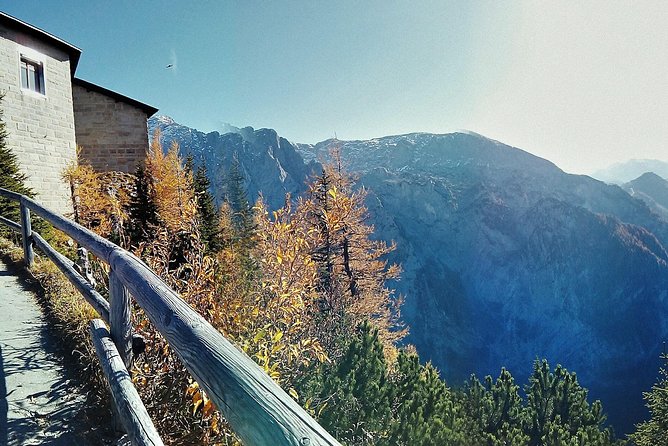
The tour starts at Berggasthof Obersalzberg on Salzbergstraße 43 in Berchtesgaden. You meet there at 9:30am and the experience ends back at the same meeting point.
Plan for a day that’s part hike, part guided history, part summit time. The total duration is about 5 to 6 hours. That range is realistic because hiking pace varies, and the guides (often Claudio, and sometimes Pauline if the schedule shifts) regularly adjust to the group.
A couple practical notes that show up again and again in the tour’s feedback:
- The hike is on a gravel/paved pathway (well maintained), not a scramble.
- You should treat it like a real uphill climb. Even when it sounds manageable, the climb is steady.
If you’re trying to fit this between other stops in the area, consider that this is best as your main event day. You’ll want your energy for the ascent and your attention for the history parts.
Stop 1: Kehlsteinhaus at the summit and what you’re actually buying
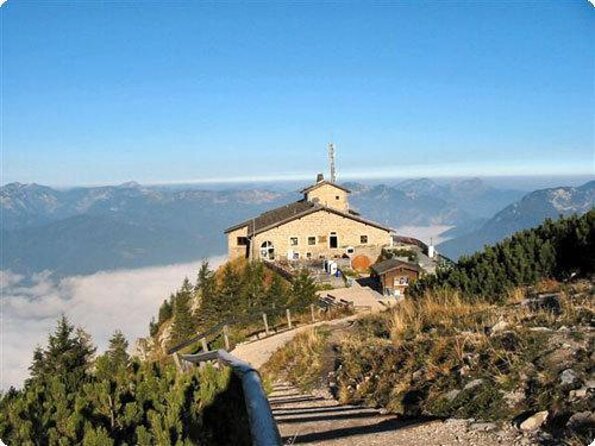
Kehlsteinhaus is the entrance point for the Eagle’s Nest experience. It sits in the summit landscape of the Kehlstein mountain, and the tour frames why it was built—its purpose, its symbolism, and how it fits into the broader story of Obersalzberg.
From your perspective, this stop is worth it because it includes admission to the Eagle’s Nest. And you’re not just paying to walk into a viewing area. The guide walks you through the construction context and what the site role means today.
You also get time for views and exploration once you reach the top. People often describe the view experience as a reward that lands more strongly after you’ve earned the climb. And because you arrive earlier than the bus crowds, you’re more likely to enjoy the summit without the worst waiting and shoulder-to-shoulder crush.
A small practical tip that matters up here
Bring a snack strategy. Lunch is not included, and you’ll likely want something for your energy. There’s a restaurant/snack shop at the summit area, but having your own backup snack makes the day smoother—especially if you’re sensitive to hunger mid-hike.
Stop 2: Obersalzberg hike—ruins, bunkers, and the WWII layer most people skip
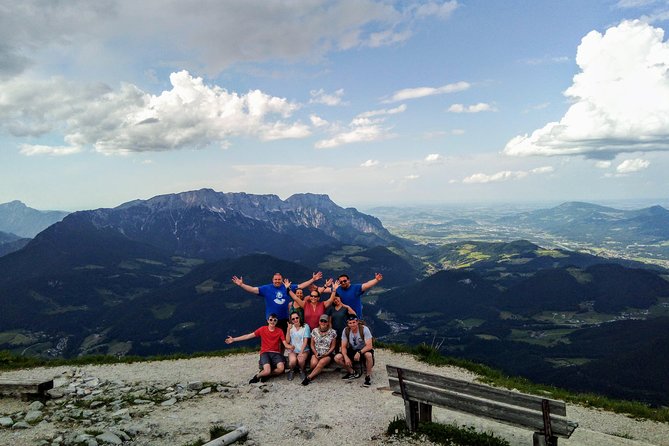
This is the heart of the tour. You spend time around Parkplatz Obersalzberg / Dokumentationszentrum area, and the focus is on how the Obersalzberg district functioned as a Nazi town.
The tour’s value is that it’s not a generic “see the main sights” stop. You hike through a set of locations that are historically loaded but not typically included in the quick bus visit to the Eagle’s Nest. Depending on conditions and the route that day, you can expect sights connected to:
- Hitler’s mountain house area
- Crumpled Nazi-era buildings, bunkers, and ruins
- Remnants tied to high-command residences
- Specific artifacts and story points the guide explains in plain language
What makes this section work is the guide’s narrative style. Many of the strongest reviews mention Claudio’s ability to answer questions and build the story as you move—why decisions were made, how the area was shaped into a stronghold, and what that meant for the broader war timeline.
You also get a timeline feeling, not just facts. The walking path helps you understand scale: this wasn’t a small secret venue. It was a complex site where politics, propaganda, and power were built into the landscape.
What to watch for on the trail here
The uphill climb continues during the hike portion. Reviews commonly describe a steady incline, with some areas feeling steeper. Typical notes include:
- Time on the hike around 2 to 3 hours
- Distance figures like about 4 miles / 5.7 km in some accounts
- Elevation gain around 710 meters (in one detailed fitness watch example)
Those numbers are helpful because they tell you the effort is real, even if the path is maintained.
If you’ve never done a steady climb like this, treat it as a moderate day, not a light walk. You’ll be glad you did.
The hike itself: pacing, trail conditions, and how to set yourself up for success
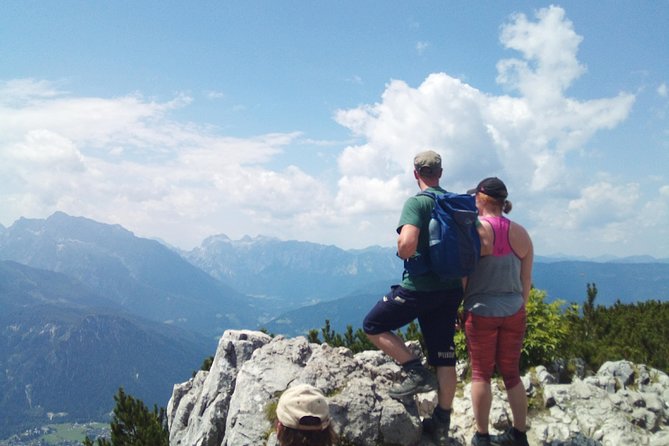
This is where most people decide whether the day feels fun or miserable.
Trail and footing
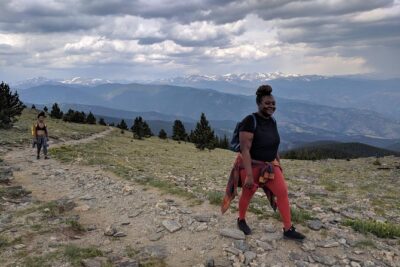
Expect a well maintained route with gravel or paved sections. That’s good news. It means you can hike in normal footwear as long as you’ve got traction and comfort.
Still, the mountain weather can change quickly. One review points out that the trail could get muddy after rain. If you’re visiting in wet conditions, sturdy shoes matter more than you might expect.
Pace: you’re not meant to suffer
The guides regularly adjust pace and take breaks. That’s not just kindness; it’s smart guiding. When you’re climbing, you can’t listen well if you’re gasping. Good pacing keeps you able to absorb the story.
If you want to help yourself, use this simple plan:
- Start a little slower than you think you need.
- Take short breaks before you feel desperate.
- Keep water accessible.
Trekking poles: worth considering
You can borrow trekking poles if requested. That’s a small detail, but it can make the climb easier on knees and calves. If you’re even slightly unsure about downhill comfort later, poles help.
What about snacks and water?
You’ll be thankful you packed both. Lunch isn’t included, so you either bring a picnic snack or plan for something at the summit food options. In a group of mixed fitness levels, a small snack break also keeps energy steady for the history stops.
How the small-group size changes the experience
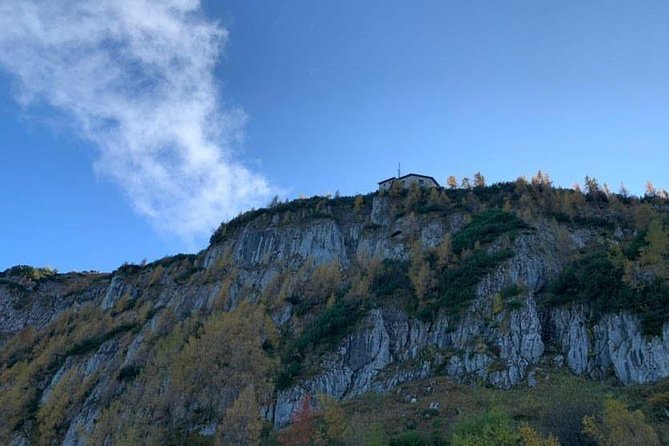
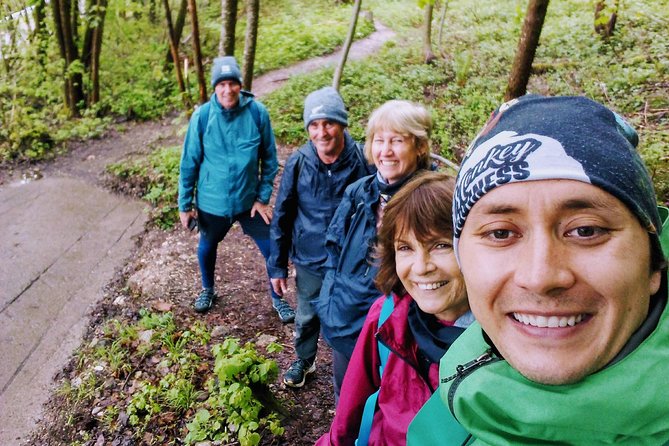
The group maximum is 8 travelers. That matters more than you’d think with a guided hike.
With small groups:
- You get more chances to ask questions.
- The guide can adjust pace without losing control of the schedule.
- History explanations land better because you’re not fighting for attention in a crowd.
The reviews also highlight bilingual flexibility. Guides have switched smoothly between German and English, which helps if someone in your group asks a question and wants a clearer answer fast.
The guide name that comes up most is Claudio, and Pauline appears as another guide who handled a group when schedules shifted. The takeaway for you: this is a tour where the guide’s delivery style and care for pacing is part of the product.
Price and value: is $240.66 a fair deal?
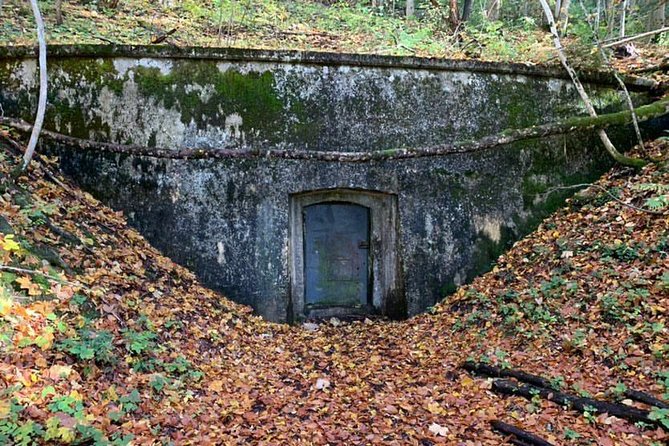
At $240.66 per person, this isn’t a bargain. It’s also not trying to be. You’re paying for a guided, small-group hike plus summit access.
Here’s what you’re getting that justifies the price:
- Kehlsteinhaus / Eagle’s Nest entrance included
- Access to the Obersalzberg exploration area
- Guided historical background connecting the ruins and the summit
- Ruins of Hitler’s mountain house as part of the experience
- Optional help with trekking poles
- An itinerary built to help you reach the top before heavier bus arrivals
What you’re not getting:
- Lunch (you’ll need snacks or a picnic plan)
- The bus down option from the mountain back toward Obersalzberg area (not included; one stated option is about €25 cash or card)
So the value question comes down to you. If you want:
- the views at the Eagle’s Nest, and
- the WWII context delivered by a guide who can explain it clearly,
then this price can feel fair.
If you only care about the summit photo and don’t want the climb, you may decide the bus-only option is enough. But if you want the place to make sense while you walk, the hike is the part you’re paying for.
Who should book this tour (and who should think twice)
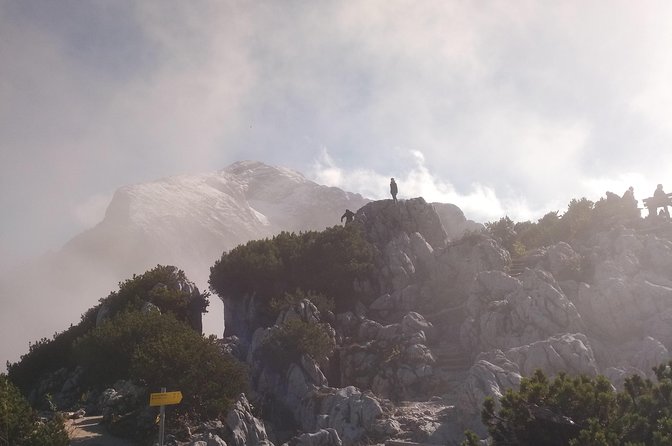
This tour is best for you if:
- you enjoy walking and want a moderate hiking challenge,
- you care about WWII history and prefer it explained as you move through key locations,
- you like small groups and guided pacing,
- you want summit time that doesn’t feel like a sprint against the biggest crowds.
Think twice if:
- you’re not comfortable with a long uphill climb (this is a steady ascent, not a flat stroll),
- you dislike walking when it’s warmer or you’re not feeling well (even good guides can’t erase the uphill),
- you’re looking for a low-effort, minimal-walking sightseeing day.
Should you book the Eagle’s Nest Hiking Tour?
Yes, if you want more than a quick summit stop. The biggest strength here is how the guide ties the Obersalzberg ruins and story to the hike, so Eagle’s Nest feels earned and explained—not just visited.
Book it if you’re ready for an uphill day with maintained paths, bring snacks and water, and accept that lunch and the optional bus ride down are on you.
If you’re on the fence because of fitness, treat this as a “moderate” climb that works best when you take it steadily. The guides you’ll get (Claudio or Pauline) have a track record of adjusting pace so you can keep going without rushing your brain or your legs.
FAQ
How long is the Eagle’s Nest Hiking Tour?
It runs about 5 to 6 hours total, including time at the summit and the guided hike segments.
Where does the tour start and end?
It starts at Berggasthof Obersalzberg, Salzbergstraße 43, 83471 Berchtesgaden, Germany and ends back at the same meeting point.
Is the tour offered in English?
Yes. The tour is offered in English.
What is included in the price?
The tour includes entrance to the Eagle’s Nest, exploration around Obersalzberg, and historical background. Trekking poles can be borrowed if requested.
Do I need to bring lunch?
Yes. Food is not included, so bring your own snacks or plan a picnic. There are also food options at the summit area.
Is the bus ride down included?
No. A bus down the mountain to Obersalzberg is not included. The tour notes a cost of €25 (cash or card).
How many people are in the group?
The tour has a maximum of 8 travelers, keeping it small-group and more interactive.
What fitness level do I need?
You should have moderate physical fitness since the hike is uphill for a good stretch of the day.
Are trekking poles available?
Yes. You can borrow trekking poles if you request them.
What if the weather is poor?
The experience requires good weather. If it’s canceled due to poor weather, you’ll be offered a different date or a full refund.
Is the tour ticket mobile?
Yes. You’ll use a mobile ticket, and you receive confirmation at booking time.