REVIEW · AGIOS NIKOLAOS CRETE
Crete: Kritsa Canyon Guided Hiking Tour
Book on GetYourGuide →Operated by Experiences Crete · Bookable on GetYourGuide
Kritsa Gorge feels like a secret shortcut into Crete. I love how Giorgos keeps the walk lively with real stories about plants and history, and I love that the route delivers stunning gorge views without feeling rushed. The mix of canyon walking and a village break makes it a smart active day, even if you’re not training for a marathon.
One heads-up: it’s a moderate hike with a few spots where you may use your hands, so your shoes and balance matter.
In This Review
- Key things to know before you hike Kritsa Canyon
- Entering Kritsa: Pickup Around Crete’s North Coast
- The SUV transfer that sets the tone for the hike
- Kritsa Gorge hiking: moderate work with great payoffs
- Safety and pacing: why the guide matters here
- Traditional village stop: coffee, museum time, and Cretan rhythm
- Snacks and the half-day rhythm that keeps you steady
- The full day schedule: 7 hours that feel doable
- Price and value: what $93 buys you in real terms
- What to bring so the canyon day stays comfortable
- Who should book Kritsa Canyon and who should skip it
- My take: should you book Experiences Crete’s Kritsa Canyon tour?
- FAQ
- How long is the Crete Kritsa Canyon guided hiking tour?
- What is the activity level?
- What’s included in the price?
- Where are pickup and drop-off available?
- Is the tour suitable for wheelchair users or people with mobility impairments?
- What should I bring?
- Can I cancel for a refund?
Key things to know before you hike Kritsa Canyon
- Hotel pickup across East Crete: Stalida, Heraklion, Elounda, Sisi, Hersonissos, and more.
- A full half-day on the trail: about 4 hours hiking through the gorge area.
- Hands-on moments, helped by ropes: the route is approachable but not flat.
- A traditional village pause: around 1 hour to relax, grab a drink, and explore locally.
- Guide-led safety and pacing: you’ll get route guidance and foot-placement tips.
- Practical support included: water, a snack, first-aid kit, and English-speaking guide.
Entering Kritsa: Pickup Around Crete’s North Coast
The day starts with a pickup from multiple towns along Crete’s northern side. You can choose from places like Stalida, Ierapetra, Kokkini Hani, Elounda, Heraklion, Analipsi, Agia Pelagia, Gournes Gouvon, Malia, Sisi, Hersonissos, and more. It’s a big help if you don’t want to wrangle buses or rent a car just to get to the trailhead.
Once you’re in the vehicle, you’re on the way for about an hour. Think of it as time to get settled, use the bathroom if needed, and confirm you’ve got your hiking shoes and water ready. Reviews often mention the guide checking that everyone is prepared, which is exactly what you want before you step onto uneven ground.
The SUV transfer that sets the tone for the hike
This tour uses a Jeep / SUV for transport, which makes a difference on Crete’s roads and the final approach areas. You’re not just shuffled from point A to point B—you’re traveling with your group and guide, so you can ask questions before the walking starts.
About halfway through the day, you’ll also ride again for return transfer and drop-off. That creates a clean, non-chaotic schedule: hike, village break, then back to your hotel area. For a 7-hour total outing, this kind of structure usually makes the day feel smoother and more “set” rather than improvisational.
Kritsa Gorge hiking: moderate work with great payoffs
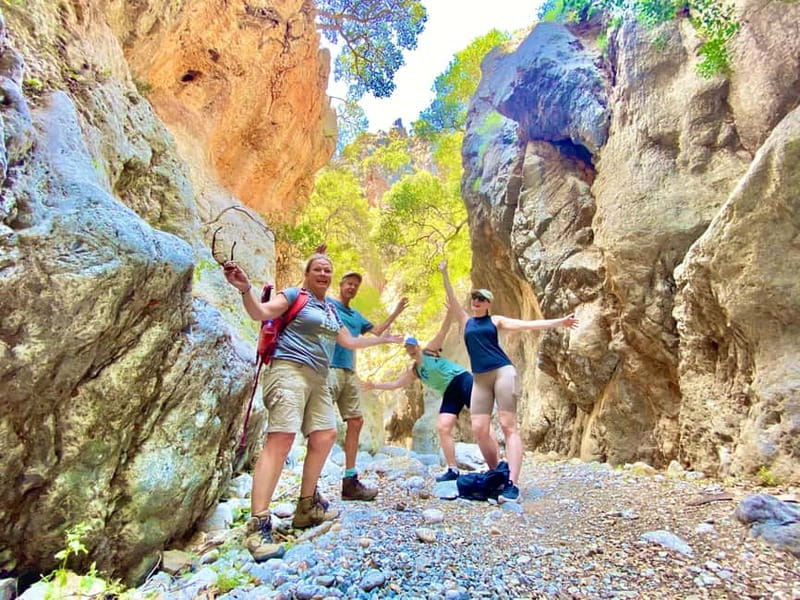
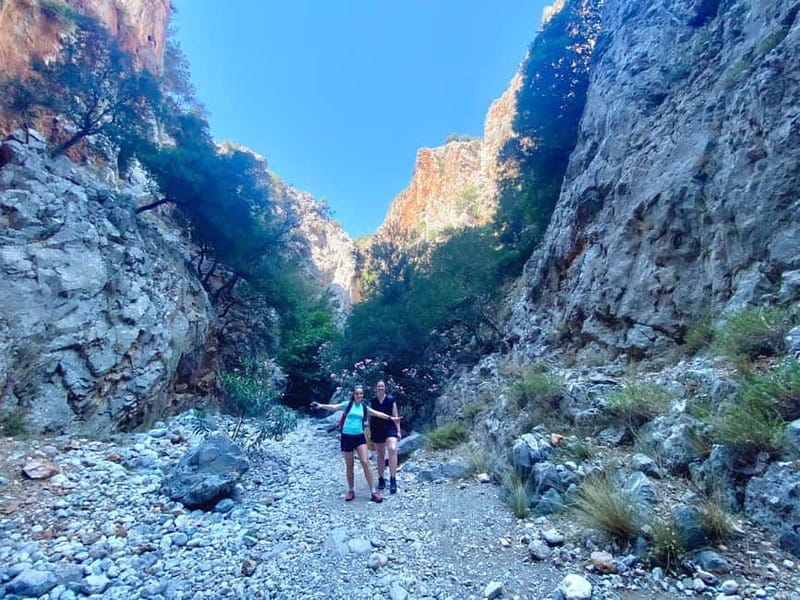
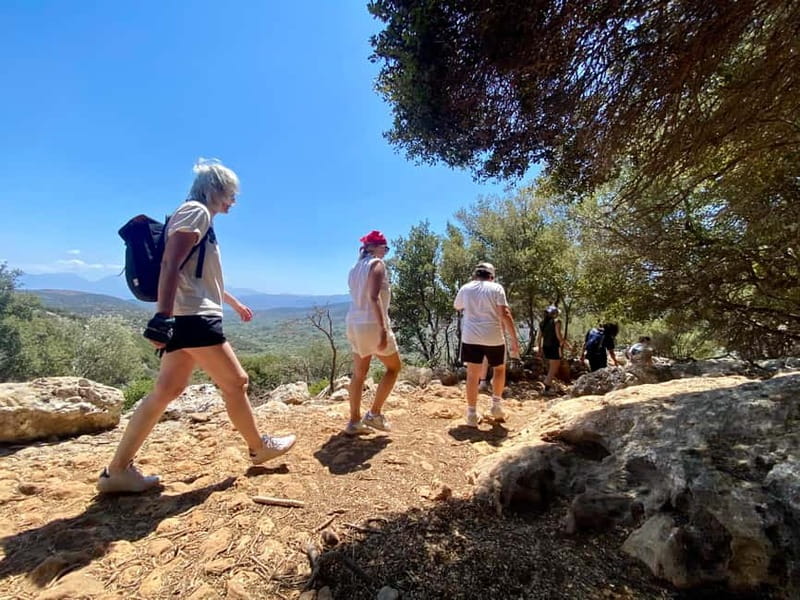
The heart of the tour is the Kritsa hiking section, roughly 4 hours through the canyon and gorge area. It’s listed as moderate activity, and that matches what you’ll feel on the ground: steady walking with some uneven steps and a few places that ask more of your body than just strolling.
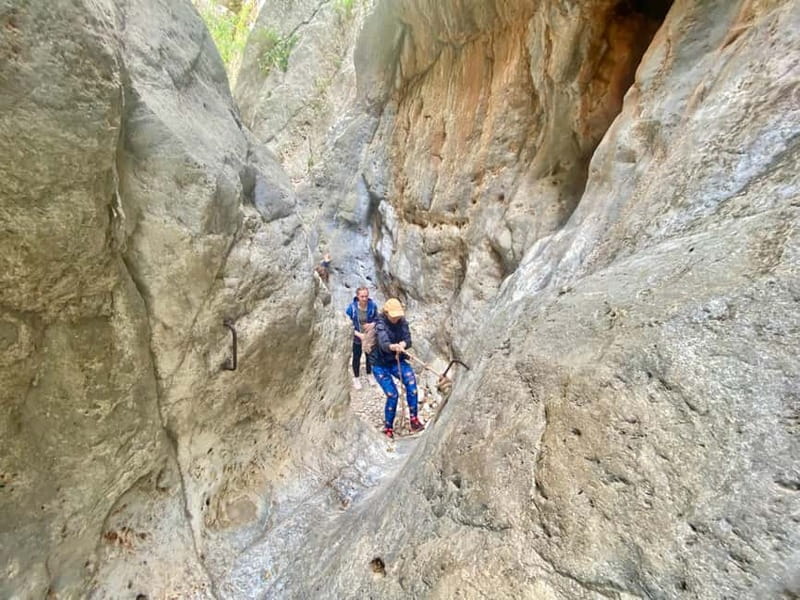
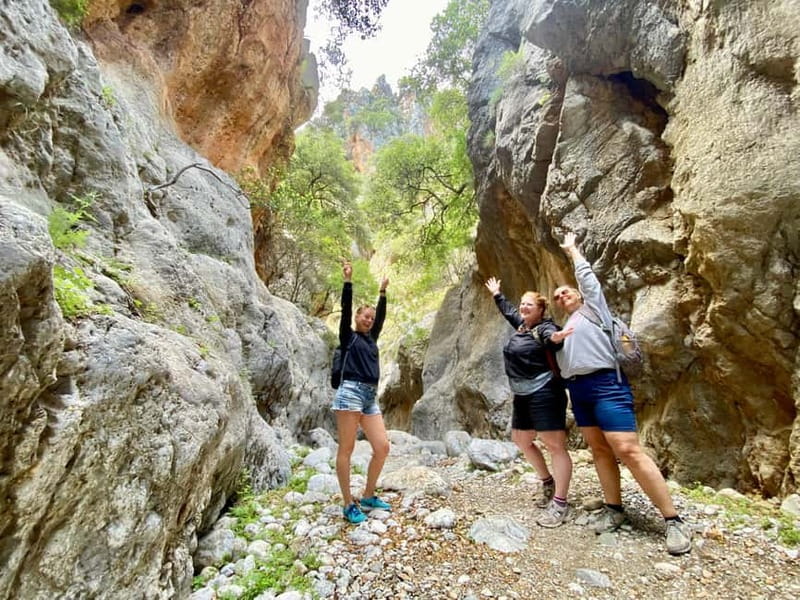
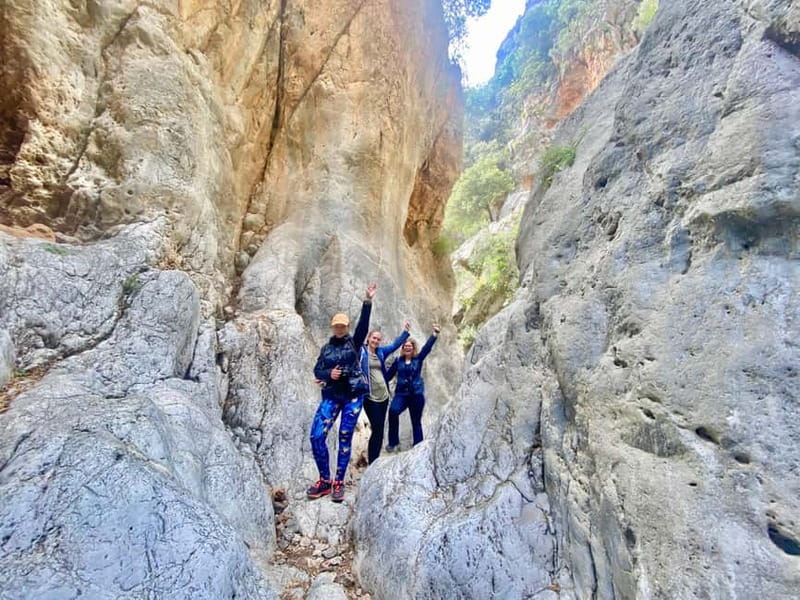
I like that this isn’t marketed as an ultra-easy walk where everyone looks bored halfway through. In practice, you’ll get the best of both worlds: scenic walking for most of the route, plus short challenge moments where you might use hands for balance. On at least one day, there were rope assists that helped with climbing up certain sections, which makes the “moderate” label feel honest rather than vague.
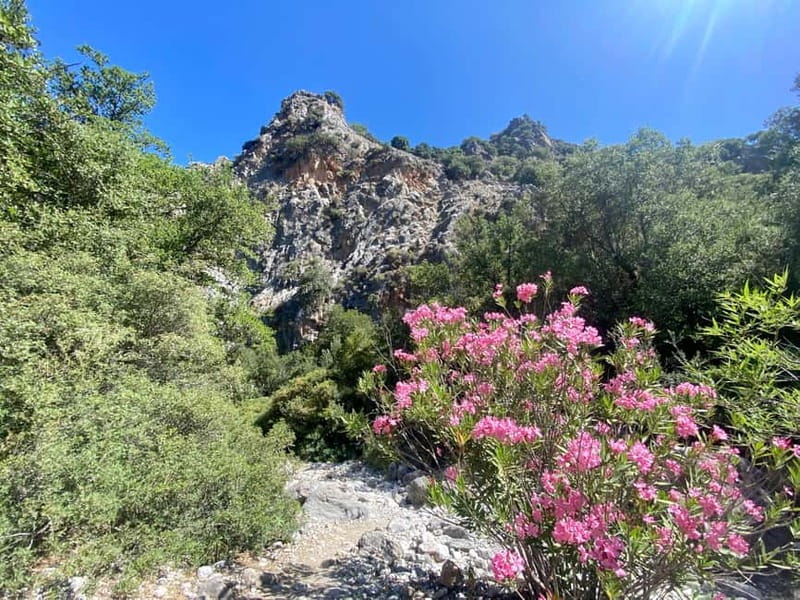
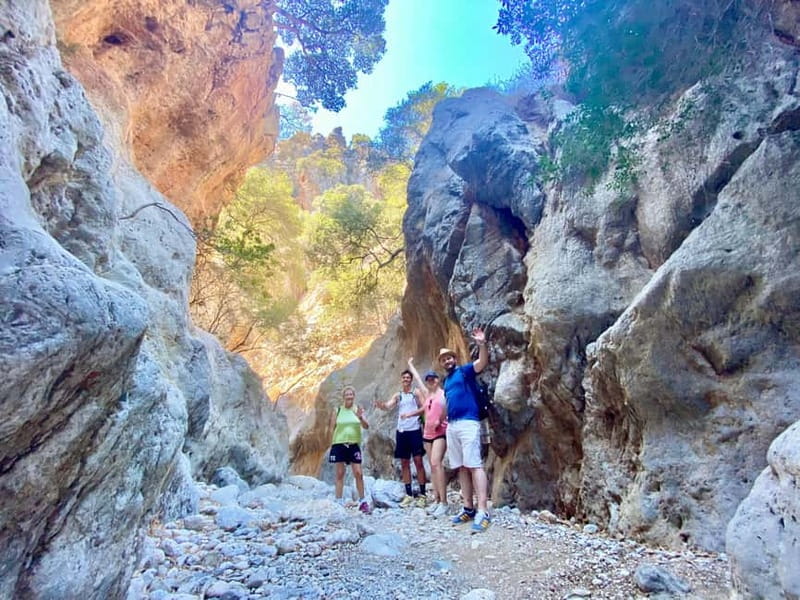
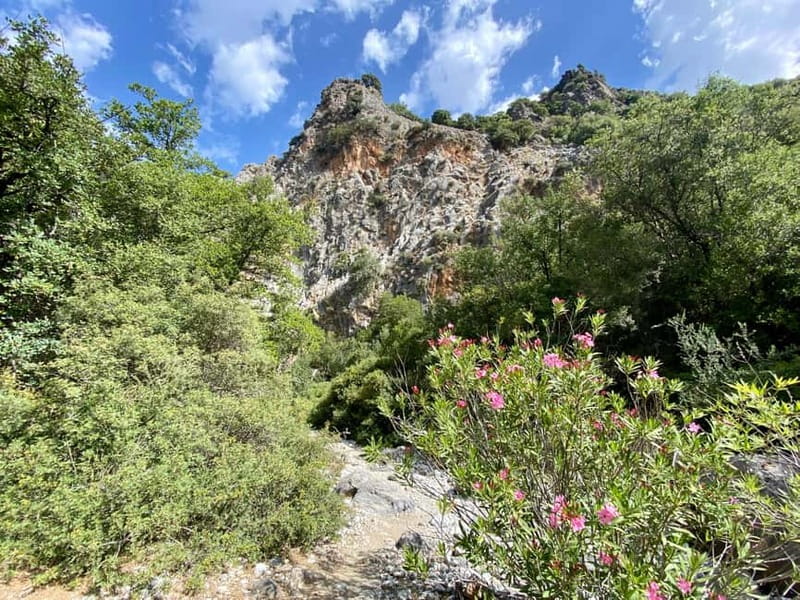
What you’re really hiking for is the shift in environment. Early on, you’re in the kind of cool, shaded mountain air that feels like a break from the beach heat. As you go deeper into the gorge, you get those classic canyon views—rock formations, greenery, and the feeling that the trail is revealing Crete in layers.
And yes, animals show up. One family-friendly experience described seeing goats and sheep along the hike. That kind of moment is small but memorable, because it makes the canyon feel lived-in, not staged.
Safety and pacing: why the guide matters here
This is one of the most praised parts of the day. The guide doesn’t just point you forward; they explain route details and help you feel secure. Reviews mention getting guidance on foot placement, and that’s a big deal when you’re dealing with rocks, slopes, and occasional hand-assisted sections.
Another thing I appreciate is how the group seems intentionally kept manageable. The tour offers private or small groups, and the pace tends to match the group instead of racing them. If you’re hiking with kids, teens, or a mix of fitness levels, this kind of pacing can be the difference between a fun day and a stressful one.
Traditional village stop: coffee, museum time, and Cretan rhythm
After the gorge hike, you get a traditional village free time break for about 1 hour. This is where the tour shifts gears—less effort, more people-watching, and a chance to reset before the ride back.
In at least one outing, this village stop included a visit to a small museum. The most detailed description shared a fossil collection and a very welcoming owner who gave a personal tour. I love these side-places on tours because they give context to what you just walked through. You’re not only seeing rocks and paths—you’re connecting them to the people and history of the area.
Even if the museum isn’t your top priority, you still get something valuable: time to sit with a drink, wander at your own pace, and enjoy what Cretan village life feels like when the hiking bags come off.
A practical note: don’t over-plan this hour. Treat it like a buffer. Walk around, use the restroom, and take photos—then you’ll feel ready for the return ride.
Snacks and the half-day rhythm that keeps you steady
This tour includes a bottle of water and a snack. Some days include something like savory pastries halfway along the hike, which helps a lot because gorge walking can sneak up on you. You’ll burn energy before you realize it, especially once you hit the hand-assisted areas that make you focus harder.
You’ll want to keep drinking water even if you don’t feel overly thirsty. Mountain air can trick you that way. If you bring extra water on top of what’s provided, it can make the hike feel even more comfortable—especially during warmer months.
Also, plan on the snack being just that: a snack. If you tend to get hungry quickly, consider having a light breakfast before pickup so you aren’t relying solely on the included bite.
The full day schedule: 7 hours that feel doable
Here’s how the timing usually lands as an active day, not a full-day ordeal.
1) Pickup and transfer: about 1 hour total ride time before you start hiking.
2) Kritsa hike: about 4 hours on the trail.
3) Village free time: about 1 hour to relax, drink, and possibly visit a small museum.
4) Return transfer and drop-off: about 1 hour back to the pickup-area towns.
This is exactly why the tour works for many people. You get a real hiking block—enough time to feel like you earned the views—then you still end the day with energy left for dinner. And since drop-offs are spread across many towns, you aren’t stuck far from where you’re staying.
Price and value: what $93 buys you in real terms
At $93 per person for a 7-hour guided outing, the value comes from what’s included and what you avoid.
You’re paying for:
- An English-speaking guide who explains the route and history
- Pickup, transfer, and drop-off across a wide list of areas
- Water and a snack
- Safety support like a first aid kit and third-party insurance
- A day plan that doesn’t require you to figure out transportation on your own
If you tried to recreate this independently, you’d quickly spend time and money on getting to the trailhead, handling parking, and hiring a guide for the history and safety aspects. Here, the guide’s role isn’t just interpretive—it’s practical, with foot-placement and route clarity that helps you enjoy the canyon without guessing.
In other words, the price feels fair if you want an active day plus local context plus a stress-free start and finish. If you’d rather DIY your hiking with no guide and no vehicle coordination, it could be cheaper—but it won’t be as easy.
What to bring so the canyon day stays comfortable
The tour’s recommendations are spot-on. Pack the basics with intent, because gorge terrain punishes sloppy footwear.
Bring:
- Hiking shoes (not just sneakers)
- Sunscreen and sunglasses
- A sun hat
- A daypack for water and layers
- Weather-appropriate clothing and a weather-ready change of clothes
- Camera
- Drinks (even with water provided, extra is a comfort upgrade)
I also recommend planning for sudden temperature shifts. Even in sunny Crete, gorge areas can feel cooler once you move into shade and rock corridors. A light layer in your daypack can save you.
Who should book Kritsa Canyon and who should skip it
This hike is a good match if you:
- Enjoy guided hikes and want context, not just exercise
- Like moderate terrain with occasional hand-assisted steps
- Want a day that mixes canyon walking with a village pause
- Prefer small-group or private experiences when offered
It’s not a good match if you:
- Have mobility impairments or use a wheelchair
- Are over 70 years old (the tour notes it isn’t suitable for that age group)
Also be honest about your balance. Even with ropes in some sections and a guide’s help, the route involves uneven ground and short climbing moments.
My take: should you book Experiences Crete’s Kritsa Canyon tour?
If you want a guided canyon hike that’s active but not extreme, this is a strong choice. The best part is the human one: a guide like Giorgos who stays engaged, explains what you’re seeing, and helps you feel safe. Add in pickup and drop-off across East Crete, plus water and a snack, and the day becomes efficient without feeling rushed.
I’d book it if you’re comfortable with moderate hiking and you can handle a few spots that ask for balance (and maybe hands). I’d skip it if you want fully flat, low-step terrain or if mobility limitations make uneven ground unsafe for you.
FAQ
How long is the Crete Kritsa Canyon guided hiking tour?
The tour lasts 7 hours in total, with about 4 hours spent hiking.
What is the activity level?
The activity level is listed as moderate.
What’s included in the price?
It includes an experienced English-speaking guide, pickup/transfer/drop-off, a bottle of water and a snack, a first aid kit, third-party insurance, and all taxes.
Where are pickup and drop-off available?
Pickup and drop-off are available in many towns, including Stalida, Ierapetra, Kokkini Hani, Elounda, Heraklion, Analipsi, Agia Pelagia, Gournes Gouvon, Kato Gouves, Malia, Sisi, Hersonissos, Anissaras, and others listed on the tour.
Is the tour suitable for wheelchair users or people with mobility impairments?
No. The tour is not suitable for people with mobility impairments or wheelchair users.
What should I bring?
Bring hiking shoes, sunglasses, sun hat, sunscreen, a daypack, weather-appropriate clothing, and a change of clothes and camera. The tour also notes drinks and water.
Can I cancel for a refund?
Yes. You can cancel up to 24 hours in advance for a full refund.