REVIEW · CILAOS
Cilaos: La Chapelle Hiking Experience
Book on GetYourGuide →Operated by Bureau Montagne Réunion · Bookable on GetYourGuide
Volcano history, plus wet feet, in Cilaos. This La Chapelle hiking experience is interesting because you’re not just walking—you’re moving through the story of how Réunion formed, from village forest paths to the cooled volcanic chamber. I especially like the French-speaking professional guide who makes the geology click in plain language, and the payoff of canyon views and river crossings in the Bras Rouge area.
One thing to take seriously: this hike very often forces water crossings below the knees, and the route includes sections that can feel steep, with a big overall drop (around 500 meters). If you’re traveling with kids, or you don’t like getting your shoes soaked, plan carefully before you go.
In This Review
- Key things that make this Cilaos hike worth your time
- Volcano history in hiking shoes: what the La Chapelle route is really about
- Starting in Cilaos: the village views that set the tone
- Into the forest: where the Bras Rouge canyon takes over
- The river crossings: wet feet, real footing, and how to prepare
- Reaching the ancient volcanic chamber: the geology lesson that lands
- The monolith like a chapel: what you’re aiming for at the top end
- What’s included, what you carry, and how to pace the day
- Logistics that matter: language, timing, and the meeting point
- Who should book this hike, and who should skip it
- Price and value: is $79 worth it for 7 hours in Cilaos?
- Should you book the Cilaos La Chapelle Hiking Experience?
- FAQ
- How long is the Cilaos La Chapelle hiking experience?
- Where do we meet for the hike?
- What language is the tour guide?
- What should I expect regarding water crossings?
- Is there a snack or drink included?
- Is a picnic provided?
- What are the age and suitability limits?
- Are pets allowed?
Key things that make this Cilaos hike worth your time
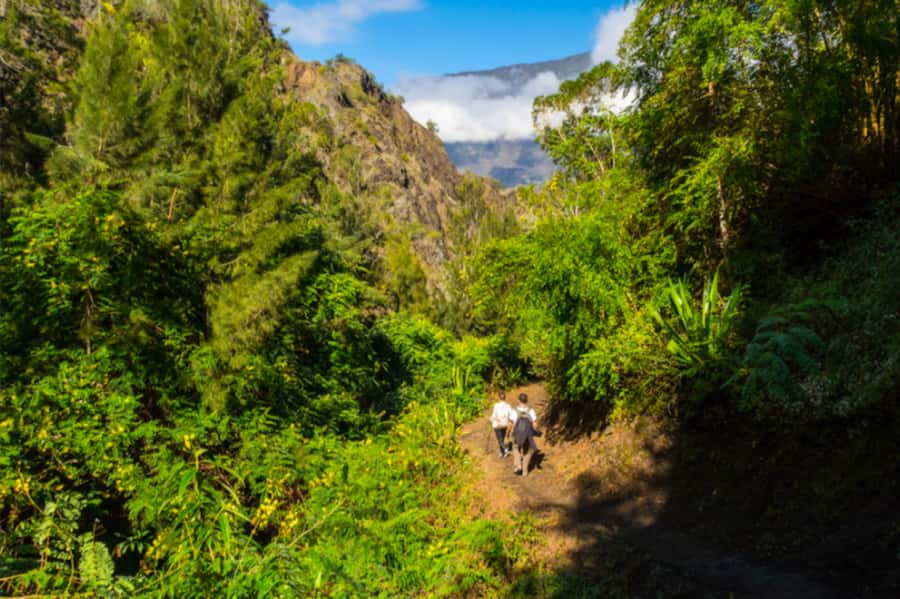
- A World Heritage setting in Cilaos, not just a pretty walk
- Bras Rouge river fords, so expect wet conditions as part of the route
- Geology explained on the move, from early volcanic activity to a cooled chamber
- A 100-meter monolith that looks like it could be a chapel in the sky
- Local snack and drink included, so you’re not rationing a hike day
Volcano history in hiking shoes: what the La Chapelle route is really about
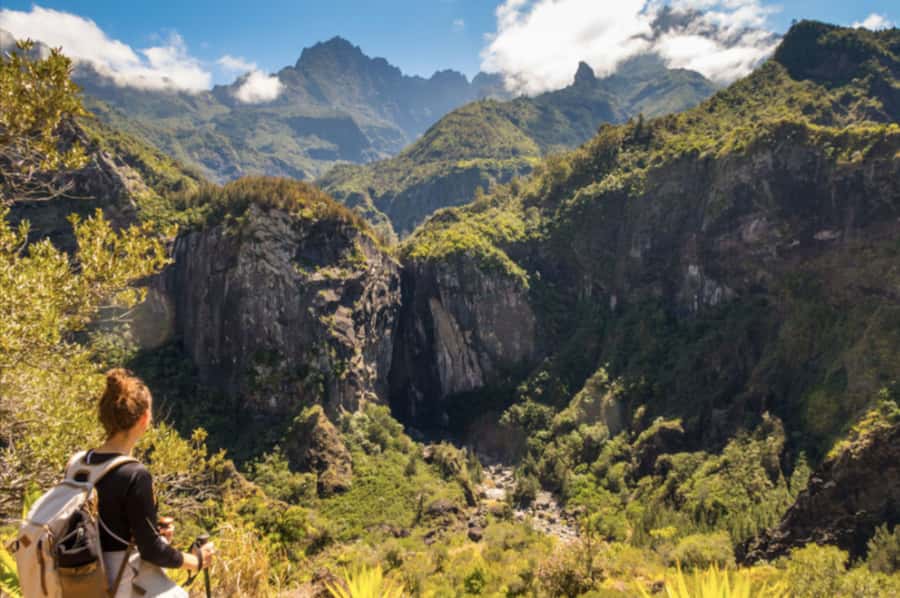
The La Chapelle experience in Cilaos feels like a geology lesson you can walk through. You start in the village, then the hike gradually pulls you into the forest and down toward the river system that shaped this part of the island. As you go, the guide connects what you see—rock forms, canyon lines, and the cooled structures of old volcanic activity—to how Réunion became what it is today.
What makes it practical is that you’re outdoors the whole time, with stops that matter. The trail isn’t just scenery chasing. It’s designed to take you toward the cooled heart of the volcano and end at an impressive monolith that rises around 100 meters, reminiscent of a chapel.
Starting in Cilaos: the village views that set the tone
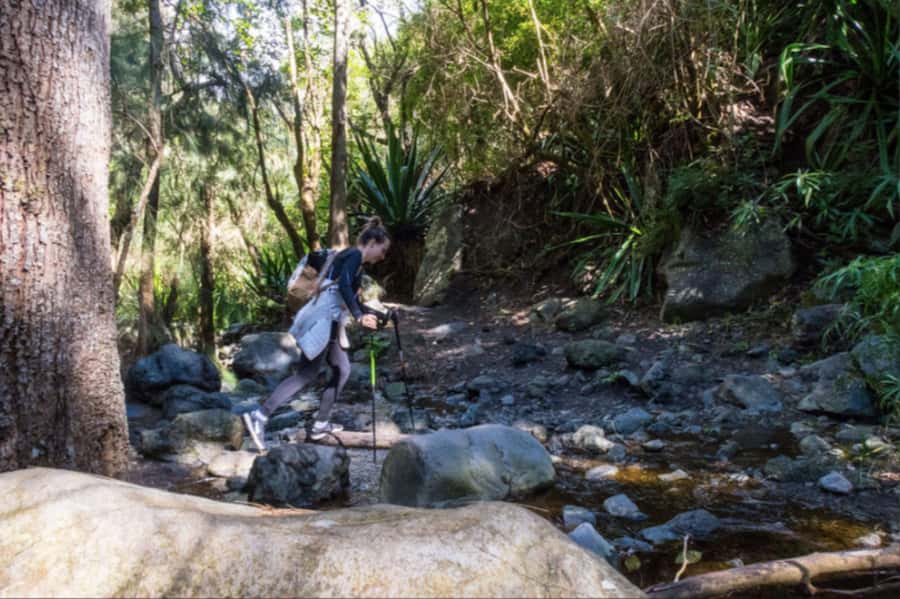
You begin in the heart of Cilaos at the town hall square (City Hall, 53 RN5). From there, you head into the forest on a route that quickly shifts from town edges to a more enclosed, natural setting.
One of the early wins is the way the hike frames views. You’ll look out toward l’îlet à Cordes and take in the canyon area carved by the Bras Rouge River. For me, this matters because it tells you what you’re walking toward. Even before the crossing-heavy part kicks in, you get a sense of the terrain and scale you’re about to enter.
Into the forest: where the Bras Rouge canyon takes over
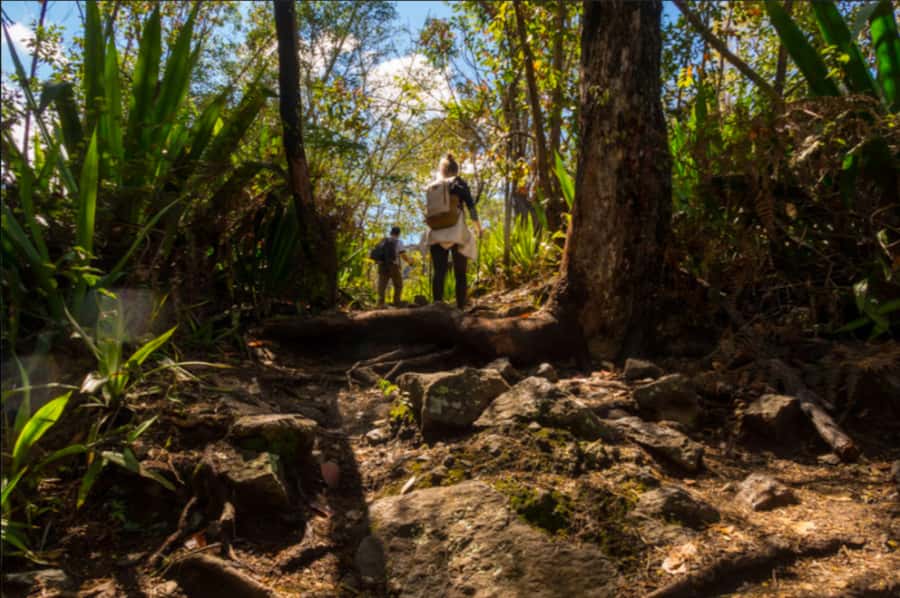
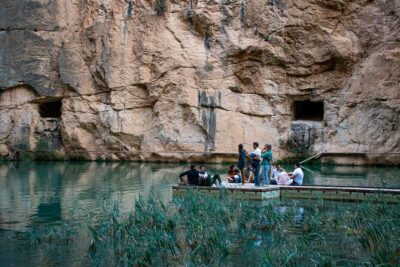
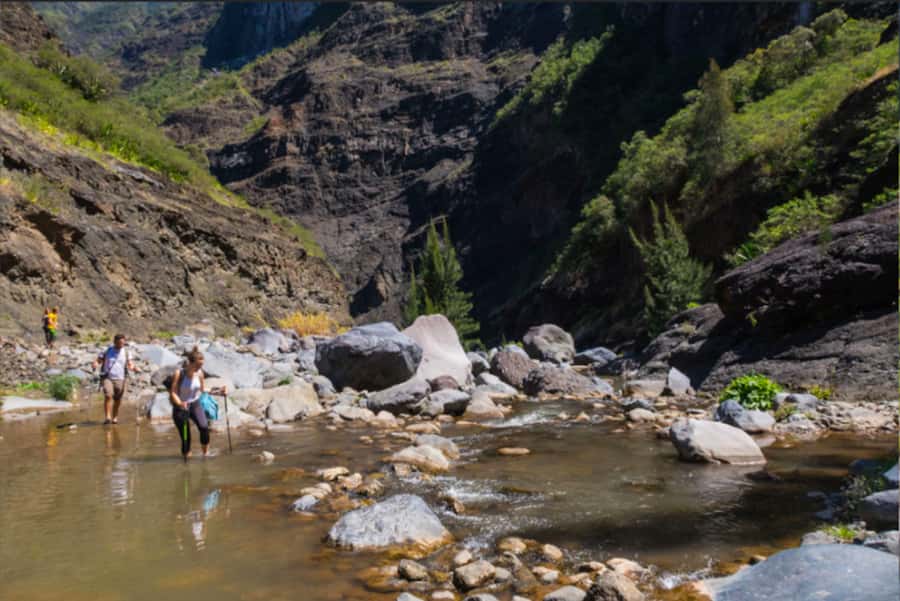
Once you’re moving through the forest, the focus becomes water, rock, and the canyon shape the river has made. The Bras Rouge River is the big actor on this hike. The path follows the logic of the landscape: it runs alongside, then crosses, then returns to the side of the river as the terrain forces the route.
As you walk, you’re seeing the island’s volcanic story in a new way. Old activity created the massive structures; time and erosion sculpted the paths and canyon lines. The guide’s job is to connect those dots so you’re not just noticing dramatic views—you’re understanding why they look the way they do.
The river crossings: wet feet, real footing, and how to prepare
Here’s the part that separates a casual hike day from a “plan like a hiker” day: you’ll cross the river several times, and the water height often goes below the knees.
That doesn’t mean the whole hike is a swamp. It means your shoes and socks should assume they’ll get soaked. The bigger practical issue is balance and footing. When water runs over uneven ground, you need stable shoes, careful steps, and a calm pace. If you tend to rush when you’re uncomfortable, slow down on these sections.
A couple more points to keep in mind:
- The guide expects the crossings to be part of the experience, not an occasional bonus.
- The route also includes a drop of almost 500 meters, which can be mentally and physically intense, especially if you’re traveling with younger hikers.
If you’re the type who hates wet socks, bring a better attitude. It’s part of the deal here.
Reaching the ancient volcanic chamber: the geology lesson that lands
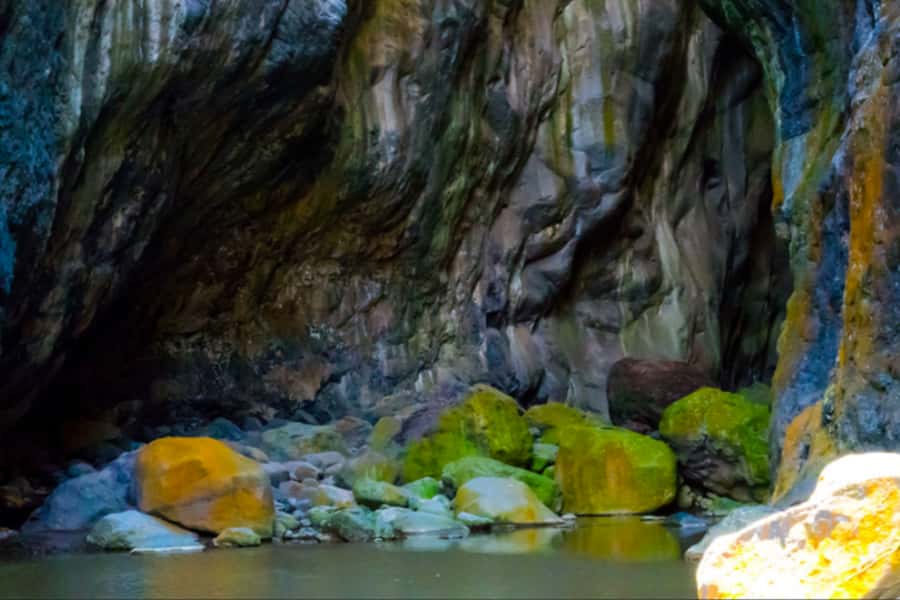
The hike’s main narrative arc is the walk toward the cooled heart of the volcano. You’ll follow the path as it heads toward an ancient volcanic chamber—an area tied to the island’s primitive volcanic activity.
This is where the guide’s explanations pay off. Instead of hearing geology as facts from a book, you’re seeing how volcanic formations weather and how the river system has worked around them. The hike makes the island’s formation feel physical: rock is there, shapes make sense, and the “why” comes from what your eyes can check in real time.
If you enjoy nature with a bit of science, this section is the reason to pick the La Chapelle hike over a simple viewpoint walk.
The monolith like a chapel: what you’re aiming for at the top end
The final big visual goal is an impressive monolith that stretches about 100 meters into the sky, reminiscent of a chapel. Even if you’ve never studied volcanic terrain, you’ll likely get why it grabs attention. It’s a tall, distinct landmark that makes the hike feel like it has a destination, not just a route.
At this stage, you’re already tired, already damp (for many hikers), and then the landscape gives you that “okay, now I get it” moment. It’s the kind of endpoint that feels earned, especially after river crossings and steady hiking time.
What’s included, what you carry, and how to pace the day
This experience is built for a full half-day commitment. Total duration is listed at 7 hours, with about 6 hours on the hike itself. That pacing matters: you don’t need to be an athlete, but you also shouldn’t treat it like a stroll.
Included:
- 6 hours hiking
- A professional French-speaking mountain guide
- A local snack and drink
Not included:
- Picnic
For your own comfort, plan for a snack-only situation. If you know you need more food to stay steady on a long hike, consider bringing extra items for yourself—just keep in mind you’re not buying a picnic from the operator.
What to bring:
- Comfortable shoes (and ideally hiking shoes)
- A daypack
And because this is a river-crossing hike, your shoes choice is a big deal. If you have footwear that can handle water and still grip on uneven ground, you’ll thank yourself later.
Also, the guide phones you the day before to confirm the meeting point and time, since it can change depending on weather conditions. In other words, expect the hike to be adjusted to keep you safe and the conditions manageable.
Logistics that matter: language, timing, and the meeting point
Meet at the town hall square in Cilaos: City Hall, 53 RN5. Since the operator uses a day-before phone call to confirm timing and meeting point due to weather, it’s smart to have your phone charged and ready.
Language note: French is required. This isn’t a problem if you already understand French basics, but it will limit your ability to follow safety and route instructions if French isn’t your strong suit.
Who should book this hike, and who should skip it
This hike is best for people who can handle steady walking on uneven terrain and don’t mind wet conditions.
It’s not suitable for:
- Children under 10 years
- Pregnant women
- People with mobility impairments
- Pets are not allowed
There’s also an important age rule: minors under 18 can’t join unaccompanied by an adult. And given the near-500-meter drop and frequent water crossings, even eligible kids may find it more intense than a casual outing.
If you’re a solo traveler, this can still work well because the guide leads the way and sets the pace. You’ll get a clear structure: river crossings, geology talk, and a real destination monolith.
Price and value: is $79 worth it for 7 hours in Cilaos?
At $79 per person, you’re paying for a guided, full half-day hike with a professional mountain guide plus food support (a local snack and drink). The real value here is the combination of:
- Guided interpretation of volcanic geology and island formation
- A route that includes specific “wow” elements (World Heritage Cilaos area, Bras Rouge canyon, and the 100-meter monolith)
- Time on trail that isn’t rushed, with roughly 6 hours of hiking
If you’re looking for a low-cost walk with no guide, this is pricier than that. But if you want context and structure—plus a hike designed around volcanic features—this price sits in a reasonable sweet spot for what you get.
Should you book the Cilaos La Chapelle Hiking Experience?
Book it if you want a guided hike in Cilaos that feels like you’re walking through Réunion’s volcanic past, with real highlights and an earned endpoint at the monolith. You’ll get the best experience if you:
- Are comfortable with water crossings and wet shoes
- Can handle a longish hike day (about 7 hours total)
- Understand enough French to follow your guide
Skip it if you’re avoiding wet hiking, traveling with younger kids who may struggle with steep sections, or you fall into the stated groups it isn’t suitable for (pregnancy, mobility limits, and children under 10). This isn’t a “pretty and easy” outing—it’s an active trail with a story baked into the route.
If you match the hike style, La Chapelle is one of those Cilaos experiences where the details matter: the river, the cooled volcanic chamber, and that 100-meter “chapel-like” monolith at the end.
FAQ
How long is the Cilaos La Chapelle hiking experience?
The total duration is 7 hours, with 6 hours of hiking time.
Where do we meet for the hike?
Meet at the town hall square in the town center, City Hall, 53 RN5, Réunion.
What language is the tour guide?
The tour guide speaks French.
What should I expect regarding water crossings?
The hike often requires walking through water, typically below the knees. You will cross the river several times.
Is there a snack or drink included?
Yes. A local snack and drink are included.
Is a picnic provided?
No. Picnic is not included.
What are the age and suitability limits?
Children under 10 are not allowed. Pregnant women and people with mobility impairments are not suitable. Minors under 18 must be accompanied by an adult.
Are pets allowed?
No, pets are not allowed.